9 minutes ago
SAA failure, extension of Kosovo's road towards EU
Periskopi(6 years ago)
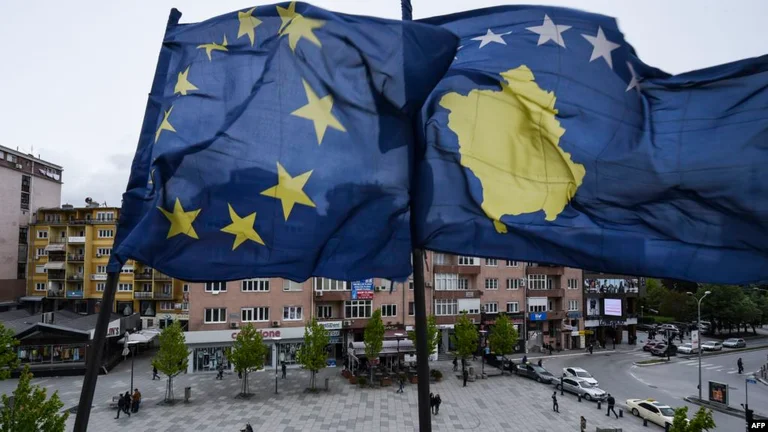
(6 years ago)Kosovo has marked serious delays in implementing legislative and implementation measures of the Stabilisation and Association Agreement (MSA). Representatives of civil society and European law connoisseurs say these delays will pose major problems in the integration process. The SAA is the first contractual agreement and only between Kosovo and the European Union, which has entered [...]
The SAA is the first contractual agreement and only between Kosovo and the European Union, which has entered into force on April 1st 2016 and which aims to support Kosovo's efforts to strengthen democracy and the rule of law.
Serbian Loja, director of the Group for Jury and Political Studies who have monitored the implementation of the SAA in a conversation for Radio Free Europe, says there has been a lack of will and political consensus about the implementation of this agreement between Kosovo and the EU.
“Arsyet for disappointing progress in implementing the SAA National Implementation Programme is numerous. It has been the poor capacity of institutions for drafting the legal base, which is reflected in the failure to adopt the previous legislative agenda. Another problem has been poor co-ordination between the ministries of the line, and a considerable number of measures are considered ambitious and not feasible”, she says.
“Monitore of the Group for Jury and Political Studies shows that such a phenomenon has been reflected in the implementation of the Agency for European Reform. Furthermore, the preset cost for measures is very often considered underestimated, which has made it impossible to implement them”, Loja says.
The SAA as an international agreement defines the mechanisms and official deadlines for implementing all reforms that will progressively draw Kosovo closer to the EU in all policy areas, to meeting all EU standards.
With the signing of the SAA four years ago, Kosovo had pledged to respect European standards and norms that apply to aspiring states for EU integration.
European Law Professor Emrush Ujkan told Radio Free Europe that any delay in fulfilling the obligations Kosovo has taken from the SAA agreement is an obstacle to the state and causes delays in the process of European integration.
He says the delays that have been recorded even now in the implementation of measures stemming from the Stabilisation and Association Agreement (MSA) will enable Kosovo to benefit more funds from the European Union.
I'm only getting one detail. As a result of the failure to lift enough capacities, the EU budget scheme from 2020 to 2027, when budget planning is made, will no longer be as when Kosovo has benefited dealt with APUlankoı from the EU a budget approximately 70m euros per year, but will be based on a kind of meritocracy for Western Balkan countries”, he says.
This means that those countries that have advanced with their absorption capacities will be able to benefit more in relation to what they have done less. If Kosovo has not achieved enough to develop these capacities, which is also required in the SAA, since this phase Kosovo will be failing to benefit the same as the countries of the region”, Wolfani says.READ EWAH THIS: End to SAA Implementation
The overall review of the implementation of the National Programme for Stabilisation and Association, for April 2019, published earlier on the European Integration Ministry website, shows that there have been serious delays in implementing measures that come out of the MSA.
Of the planned 401 measures, over 35 percent of them have been fully implemented in the second quarter, while 65 percent of the measures face serious delays.
Advancing the fight against corruption, as well as implementing key reforms for justice, according to this report, are considered to have marked serious delays.
Serbian Loja, says Kosovo has been characterised with impasse in the area of rule of law. According to her, despite demands for progress in the fight against corruption and organised crime, there has been no case concluded in judging high-profile corruption cases.
This has damaged Kosovo's image in the face of the EU, not showing that Kosovo really has its EU integration. Kosovo has also lost the opportunity to improve its image in front of foreign investors, as well as create preconditions to international entrepreneurship and strengthen the private sector in Kosovo”, Loxha says.
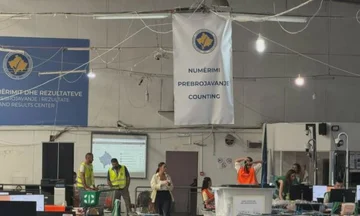
Civil society representatives call on the future government, which is expected to be established after the 6 October parliamentary elections to deal with the SAA with the highest seriousness and move forward reforms that are envisioned with this agreement and to increase efficiency in implementing measures of the SAA's National Implementation Programme.