9 minutes ago
Institutions' Failure to Provide New Recognitions
Periskopi(6 years ago)
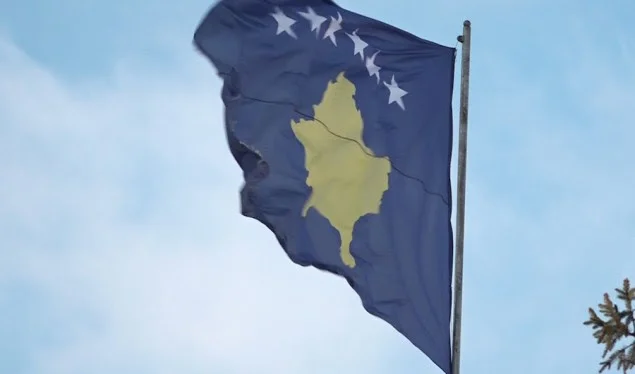
(6 years ago)Kosovo institutions during 2019 have failed to secure new international recognitions. The Foreign Affairs Ministry's page finds 116 countries that have recognised Kosovo's independence -- why during the year the enemy state of Kosovo, Serbia, has said some have drawn recognition for Kosovo but that one thing [...]
But what is certainly known is Serbia's vicious campaign to undermine Kosovo in foreign policy. Meanwhile, connoisseurs of international relations estimate for Kosovo that Kosovo institutions have failed in foreign diplomacy.
In the past three years, Kosovo has faced fierce diplomatic and criminal campaign by Serbia, which has committed crimes in all states of the former Yugoslavia with Russia's support, which have been trying to undermine Kosovo's integration into the international community.
International Relations Professor Africa Hoti says that during 2019 Kosovo has faced the phenomenon of attracting recognitions, however it says international law as a practice does not have the appeal of recognition in consolidated states.
The one I think we're facing in 2019 is the phenomenon of attracting recognition. The international law at least as a practice does not have the attraction of recognition as long as we speak of states that have a unified system, because if recognition were to exist then the judicial and political order would also expose an extraordinary danger, whenever their reports were strained, they would withdraw recognition and that would bring international chaos”, he says.
He says Serbia has continued to use all undemocratic methods to convince some states to extend recognition.
But according to him, this has happened to those countries that have no consolidation systems.
“We have failed in the sense of maintaining ties as one of the fundamental rights of states. So if a country knows us, we're required to continue through our diplomats to keep in touch and keep every country informed of our developments. This was not due to the very negative phenomena in which our foreign service, including nepotism, familiarisation, corruption, unnecessary burdens of our diplomatic missions, or our foreign service, which not only made our foreign service ineffective but also made it a heavy burden to the budget and citizens of Kosovo”, he says.
While in the political and negotiation aspect with Serbia, analyst Ramush Tahiri says about Kosovo that since talks with Serbia in Brussels, Kosovo has scored only impasses and has begun to reduce the number of recognitions.
The “may not be connected, but it seems that since the talks in Brussels, with Serbia, Kosovo has stalled and turned back because negotiations or dialogue with Serbia has been treated as a status dialogue, whether it is Kosovo state or not, whether it is subject to international or not, and they have begun to fall in recognition, or if connoisseurs say recognition cannot be withdrawn but they are not right, that which is accepted and withdraws, I don't know why they entered into the theoretical view of this work to please themselves. But, Kosovo has a deadlock, in membership in international organisations, Kosovo has a deadlock in its presentation at international forums, Kosovo also has a deadlock in diplomacy policy”, Tahiri says.
He considers that Kosovo should draft a strategy in <x0-aggressive”, as he says in a positive sense, for presenting the state abroad through dignified diplomatic representation.
Kosova Prees has not been able to get even the Foreign Affairs Ministry's statement on the issue of recognition and the possibility that some states have withdrawn it.
Lack of recognition and their current number also affect state membership in international mechanisms, where Kosovo has failed to be part of INTERPOL as well.
The issue of recognising recognition is political fact throughout world politics, but due to the lack of legal and institutional regulatory mechanisms, this continues to remain a controversial issue, whether or what state might attract recognition.