5 hours ago
emigrant confession: After being refused asylum, 21 years of sleep on buses
Periskopi(6 years ago)
(6 years ago)For more than two decades after his asylum application had been rejected, Sunny found a safe haven on buses travelling through London at night. What is it like spending every night on these lower decks? Sunny waits patiently, with the wind entering his jacket and [...]
Sonny waits patiently, with the wind blowing through his jacket and the cold winter that touches him to the bone.
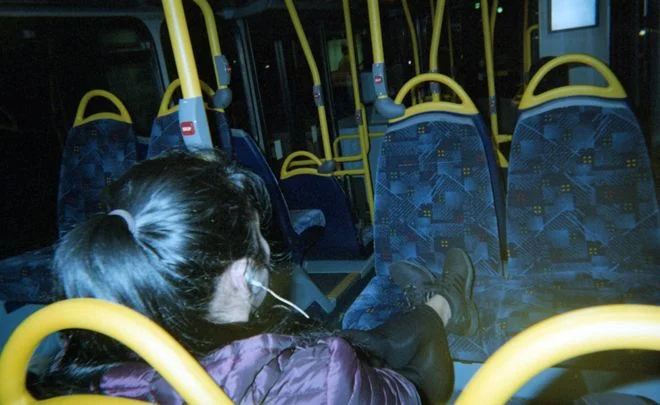
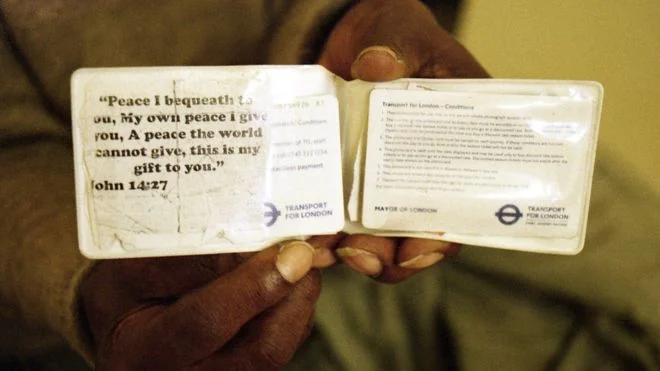
It's after midnight and his legs are tired, but he's holding and bitching while the bus stops. It enters and creates space for other passengers, greets the driver's familiar face with a genomic bend of his head and places the eroded Oyster card at the pay point.
He is relieved to find his favorite place at the end of the empty bus, and he sits there and makes himself comfortable with the long journey ahead. She puts the bag in her stomach and feels her hands wrinkled by the cold that start to warm. Then I close my eyes.
Leaving behind the smell of boiling chickens and the noise of London's night traffic, his mind is behaving upside-down.
He sees himself as a young man, praying among concrete walls in a Nigerian prison until he expected him to be executed. His crime: protested democracy.
A guard pulls him out of the cell, puts him on the street in the silent corridors, where a car awaits him.
The family and friends had purchased their freedom by bribing each of the prison guards and buying their ticket to London, writes the BBC, translates Periscope.
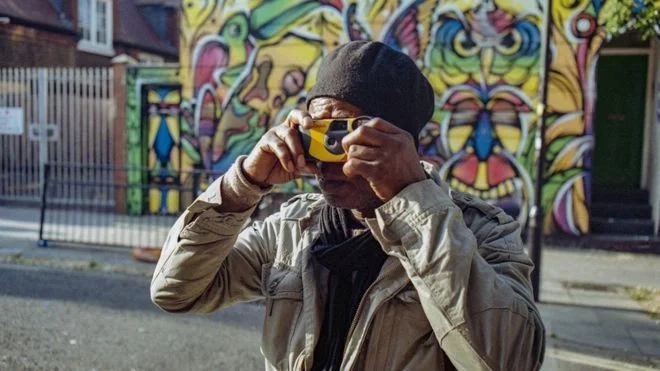
At the time of his asylum demand, Sunny was taking a course to make documentaries, reporting on the life of homeless people in London, never imagining that he would be one of them soon.
His request was later rejected. This had left him before two elections - to return to his country where the harsh rule of a military regime continued and where he expected the death penalty, or to remain in London without letters.
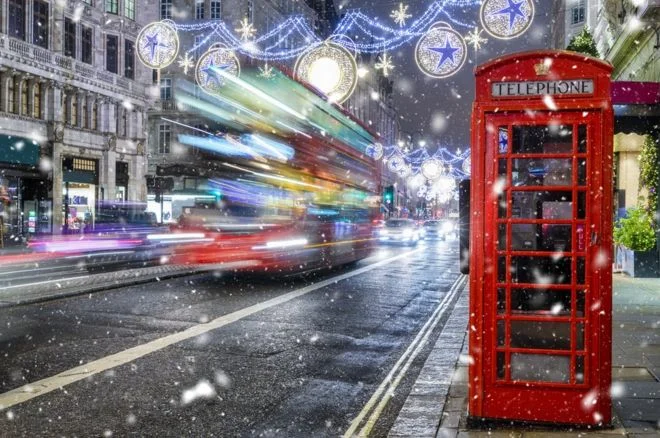
And so she began her 21 - year - old life as a nomad on London buses, which seemed safer and warmer than roads.
There was a woman from Church with the big generators who first bought her a monthly bus ticket. She kept doing this month after month.
Sonny would volunteer in churches the day. Then he would go and ask for a restaurant manager to share some food, and they would rarely send him back with nothing.
He did not blame the British government for the situation he was in. He blamed his own country, which if he were not in that position, would not leave him in that position.
To read the article published in the BBC, Periscope invites you to click THESE.