13 minutes ago
Duquency marks growth
Periskopi(6 years ago)
(6 years ago)The phenomenon of impeachment, which means borrowing money, which then has to return with very high interest, in addition to being considered illegal and criminal, is also being described by police as very disturbing and dangerous. Recent police records indicate the rise in this phenomenon. Business representatives say [...]
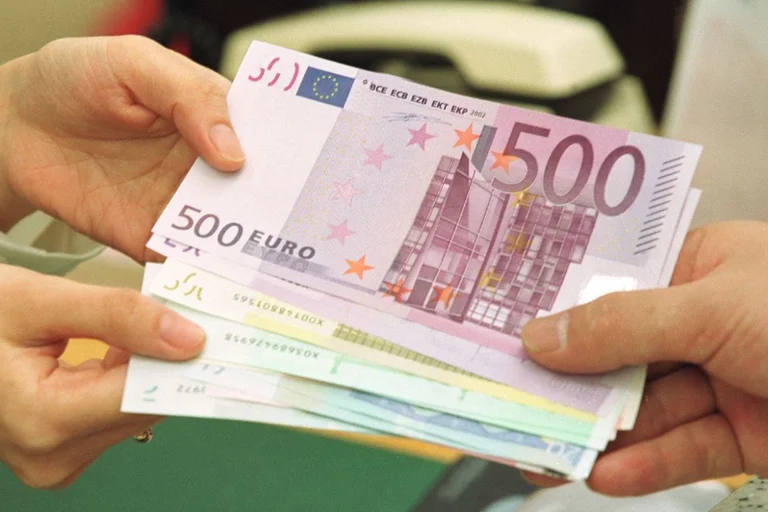
The phenomenon of impeachment, which means borrowing money, which then has to return with very high interest, in addition to being considered illegal and criminal, is also being described by police as very disturbing and dangerous.
Recent police records indicate the rise in this phenomenon.
Business representatives say that the level of increase in the blame phenomenon comes from the difficult approach of businesses in finance to commercial banks in Kosovo.
In the annual report published by Kosovo Police, criminal activities that are linked to the blame have reportedly marked increases of over 13 percent in 2019, compared to a year ago.
Riza Silova, director of the Kosovo Police Department for Investigation, has indicated that there are increased activities or cases of economic crime and corruption in the country.
“In the area of economic crime and corruption, we have about 43.28 percent increase in the number of cases investigated in relation to the previous year, and also in the cases of convictions, we have 13.63 percent increase in criminal acts or investigations in the area of culprits. A total of 625 cases of economic crime and corruption have been investigated, 32 operations have been conducted, 253 persons have been arrested, and 537 criminal charges” have been submitted, says Silova.
Such criminal acts, such as the file, according to the Republic of Kosovo Criminal Code are punishable.
The Penal Code envisions that anyone who, for himself or the other person, accepts or contracts a substantial amount of wealth, in exchange for service to the other person, is fined and sentenced to imprisonment of 5 to 12 years, depending on the value of financial losses or realisation of wealth.
Kosovo Business Alliance Chairman Agim Sahini tells Radio Free Europe that increasing the guilty phenomenon has resulted from numerous procedures and criteria required by commercial banks for approval of a loan.
While commercial banks have contracted the criteria to give businesses and citizens credit and support them very much, the latter have found the worst form to find people who have benefited from organised crime and who give money in return. This phenomenon among us is increasing because rule of the rule of law is weak”, Sahin says.
In Kosovo, 10 commercial banks and 23 microfinance institutions operate. The average interest rate for bank loans, according to Kosovo Central Bank data, is 6.4 percent depending on the bank and the type of credit, while in microfinancial institutions, the effective interest rate is 20.1 percent.
Credit value in 10 commercial banks has reached over 3 billion euros, while the value of loans in microfinance institutions has reached over 200m euros.
Economic experts in Kosovo have consistently considered the high credit rates, which are implemented by some microfinance institutions. It is the high interest rates that have been the reason for the closure of two microfinancial institutions last year.
Pray Credit Europe and Monogo are the two microfinance institutions that were shut down.
The central bank of Kosovo in reasoning with the closing decision had stressed that these microfinancial institutions, based on samples that have possessed and analysed BQC, have implemented effective interest rates from 80 to 236 percent.