7 hours ago
Disabled persons, Kosovo's most discriminated against, except 1 % of them are employed
Periskopi(6 years ago)
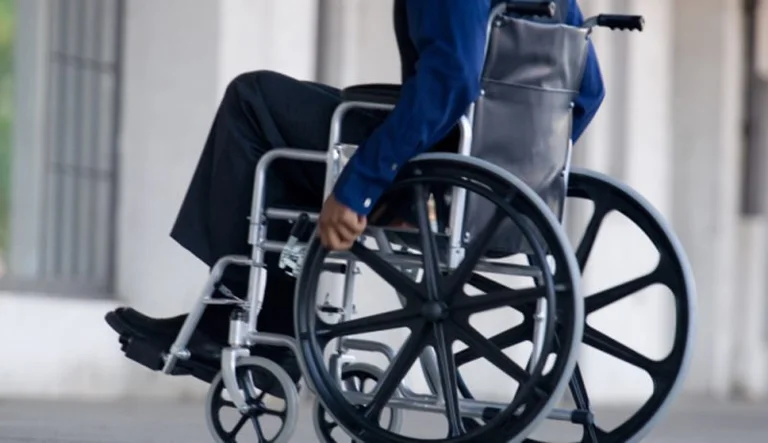
(6 years ago)Individuals with special needs are those who are most discriminated against in society. In Kosovo there are 250,000 people with special needs.10 percent of the general population in Kosovo is estimated to be with special needs. Such ones have different limitations and because of the various barriers they face in their daily life [...]
In Kosovo there are 250,000 people with special needs.10 percent of the general population in Kosovo is estimated to be with special needs. These people have different limitations, and because of the various barriers they face in everyday life, they are unable to participate in social, political, economic, and cultural life in the country, the situation that makes their situation even worse.
These people don't have equal access to education, employment, health, social services and judicial support.
These challenges directly affect a number of people with special needs to be part or beneficiary of social schemes and to have small access to the job market.
Based on current data, only 0.1 percent of people with special needs are employed in Kosovo. This symbolic number of employees has consistently disturbed organisations dealing with the rights of persons with special needs.
Among them are children with special needs in Kosovo.
According to the United Nations Children's Fund (UNICEF), there are 43,000 children.
Since education is closely associated with better jobs, healthy life, social and economic security, and the potential for full participation in society, we know that disabled children who are denied the right to education are likely to be disfellowshipped from society”, said a U communique. NICEF.
Unfortunately, only 5,300 of them follow classes in regular schools.
These children, however, also need school - class assistants. Although by law, the state recognises them as equal to other children, it has not allocated any budget for welfare needs. Thus, for years parents are those who are forced to pay assistants for their commitments with children, according to the individual plan required for children with special needs.
Although by law, the state recognises them as equal to other children, the state itself, according to child rights organisations, has not allocated any budget for welfare needs.
In addition to schooling, health services in Kosovo for people with special needs continue to be flawed.
Leaders of organizations dealing with the rights of individuals with special needs say that in the absence of essential services, many of these people have changed their lives.
Otherwise, based on the World Health Organization, between 10 and 15 percent of the world's population make up people with special needs./IndexOnline/