9 minutes ago
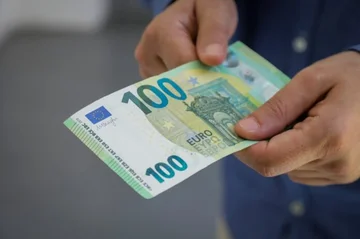
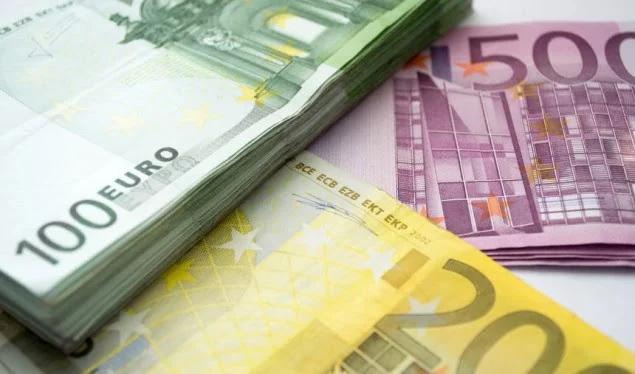
21 years from Europe's new currency
Periskopi(6 years ago)
(6 years ago)As of January 1, 1999, Europe has the new currency, the euro. On this euro date, the national coins of 11 countries replaced: Austria, Belgium, Finland, France, Germany, Holland, Ireland, Italy, Luxembourg, Portugal, and Spain, except Britain, Denmark, Greece, and Sweden. On January 1, 2001, it also replaced Greece's currency. Moving on [...]
On this euro date, the national coins of 11 countries replaced: Austria, Belgium, Finland, France, Germany, Holland, Ireland, Italy, Luxembourg, Portugal, and Spain, except Britain, Denmark, Greece, and Sweden.
On January 1, 2001, it also replaced Greece's currency.
The transition to a single eurozone currency, which accounts for about 300 million European citizens, provided great benefits both for consumers and for business.
It also facilitated exchanges of goods and services among participating countries, thus strengthening the European Union's common market.
For company exports and imports, the risk of exchange rate fluctuations is limited to trade with countries outside the eurozone.