6 minutes ago
Within a year, about 2,000 cases of attempted-contracts with goods

Periskopi(6 years ago)
(6 years ago)Kosovo customs authorities say that during 2019, some 2,000 cases of smuggling with various goods have been recorded. The value of the goods that have been attempted to enter as smuggling, through border points and at the so-called green border, according to Kosovo Customs representatives total about 10m euros. Northern part [...]
The northern part of Kosovo, which extends to the border with Serbia, according to Kosovo Customs, has been one of the most affected areas of smuggling.
Kosovo Customs General Director Bahri Berisha told Radio Free Europe that since 2019, some 1800 customs violations have been uncovered and raised 100 criminal cases for deeds linked to smuggling goods.
The smuggling market is roughly the same as last year, but we have an increase in smuggling cases. Based on the information we have had in high-risk countries we have managed to prevent smuggling, which mainly in Kosovo goes through mountain roads. The value of smuggling, based on goods confiscated during 2019, amounts to about 10m euros”, Berisha said.
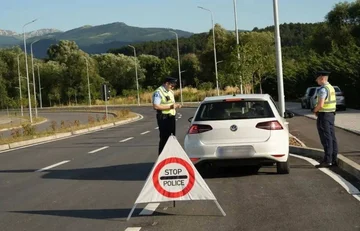
In the past year, Kosovo police had conducted an operation in northern and southern Mitrovica aimed at combating crime and smuggling. As a result of this operation, 25 people had been arrested.
The most attractive products that are smuggled into Kosovo are the goods for which excise is paid, such as oil, alcohol and tobacco.
But after the introduction of a 100 per cent tax on imports and orgy products from Serbia and Bosnia and Herzegovina, according to Berisha, it has also attempted to smuggle food goods.
“Since the application of protective measures (tax) from November 2018, we have noted that some products that were previously not smuggled, such as food products, due to protective measures have been attempted to smuggle them, but thanks to the creation of joint task-forca with the Kosovo Police and other agencies, we have managed to detect about 350 cases of attempted-contradition of these products from Serbia and Bosnia”, says Berisha.
Kosovo customs is the main contributor to the state budget, which collects for its three main taxes: Tax on Added Value in Import, Customs Tax and excise.
Business representatives say that their research may have influenced the rate of smuggling.
Kosovo Business Alliance Chairman Agim Sahini tells Free Europe Radio that based on a study of this Alliance, the tax has positively affected the decline of smuggling in the country's north.
After that, the study of around 100m euros has had goods smuggled from Serbia to Kosovo in 2017 and 2018, while this rate has now dropped markedly. This has been an easy smuggling compared to that smuggling that has had through the regular lines where uncontrolled vans entered, huge-valued vans entered, and now entered in small quantities, with small cars”, he says.
With the drop in levels of smuggling, Sahin says, a more equal competition has been allowed in the market.
On November 6, 2018, Kosovo's outgoing government imposed the 10 percent tax on products originating from Serbia and Bosnia and Herzegovina, while on November 21, this tax was severely taxed by 100 percent for all products and goods imported from these two countries.
Before the customs tax was imposed, Serbia was the largest exporter of products in Kosovo. This state, before November 21st, of 2018 when taxes were imposed 100 per cent during one day has exported goods worth about 1.2m euros or about 450m euros in one year to Kosovo.
The tax continues to be in force, while expected what position in relation to the tax the new Kosovo government will take.
The Vetevendosje Movement, as the winner of the 6 October parliamentary elections and the Democratic League of Kosovo, which are expected to form the new government, have warned of the possibility of replacing the tax with the deployment of the measure of full reciprocity against Serbia and Bosnia and Herzegovina.