8 hours ago
Support of the private sector in youth skills is required

Periskopi(7 years ago)
(7 years ago)Decreasing the gap in skills in the workforce through youth skills business initiatives remains a much needed practice for further development, but still support is needed in promoting such practices throughout the country. This was said at the table organised by the American Economic Oda in Kosovo, where it was [...]
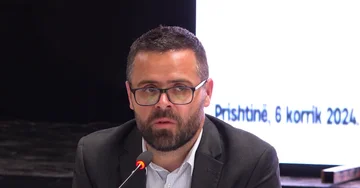
This was said at the table organised by the American Economic Oda in Kosovo, where it was discussed about initiatives undertaken by the private sector in reducing the skills gap in Kosovo.
American Oda Executive Director Arian Zeka said that among the most frequent challenges local businesses face in their operations is the emptiness of skills in the workforce. He said that despite companies of different initiatives from the private sector, businesses still face this issue, which greatly impact their operations.
Cacttus Education Executive Director Besim Ilazi said that young people's skills on the part of businesses, even though they are resulting in benefits in their professional skills, it still remains a huge burden for the private sector.
Ilazi said that even though the private sector has taken on the leader's role in reducing the gap of skills, there is no support in this respect, calling for ease to be offered for businesses in this regard.
The head of the Centre for Competence and Strategic Initiatives in Raiffeisen Bank Kosova, Kreshnik Halili, said initiatives undertaken by this company in preparing workers have resulted in employing a large number of them in the company.
He said that the inclusion of young people in highly influential projects in their early stages of skills affects their professional establishment, adding that their responsibility as a business remains to provide a practical basis for the youth profession, as well as exposure to new technologies in the banking sector.
Chief of Foreign Operations and Relations in Kosovo, Wisar Jasiqi, said that through the training and development centre from this institution, they have been constantly aiming at training and preparing individuals for the labour market through professional training and practice, thus making their move to the labour market.
It laid out the need for greater co-ordination between businesses and educational institutions in providing access to completion of various practices, which are then reflected directly in the professional skills of young people, thus avoiding them from the country.