5 hours ago
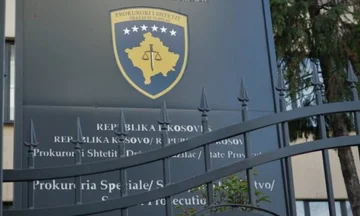
“The sharing of common wealth: The judiciary that ignores the law”.

Periskopi(7 years ago)
(7 years ago)On August 9th 2018, the documentary produced by UNMIK, “No, Your Property”, which subsequently occupied Kosovo. This documentary, with the participation of women from different ethnic communities in Kosovo, showed the relationship between domestic violence and property rights. These women openly related the violence they had [...]
The Republic of Kosovo is rich in laws that consider gender gender priority equality, including property rights laws. Starting with Article 46 of the Constitution: “no one will be arbitrarily deprived of” and Article 49 of the Family Law, which mentions that “ [P] The marriage arrangement between marriage mates manage and manage it jointly and by agreement”. Article 47 of the same law also defines common wealth as all income forms earned after the crown. In cases where the couple do not have a marriage contract, equal separation of property is predicted. Often when it comes to the existence of this law, the 50/50th separation of marital wealth causes concern over its misuse by women to take advantage of men. This is not true because Article 54 and 55 of the Family Law also present knowledge of special wealth, each money, or separately, marriage. There is also the possibility of a marriage contract in which marriage mates decide about the percentage of each's property.
Mrs. M. Berisha*, it's one of the women who had knowledge about the existence of marriage contracts because she was working at law institutions. The moment her marriage was not functioning properly, she and her partner decided to make a contract to regulate the separation of property in case of divorce. Such a contract is lonered and presented to the court. Mrs. Berisha's case is very special because most women in Kosovo are unaware of this practice, but even if they are, Kosovo tradition does not accept such an arrangement. “Grat project report: Property rights agent” of February 2018 concluded that only 53% of women have knowledge of property rights, while only 43% of them consider property purchased during marriage as a joint property. Lack of information is misused by the institutions of justice. These institutions and do not inform women about their rights and request documents that confirm the property, despite 50% belonging to them automatically. No Kosovo law requires that marriage mates have documents proving that the property gained after marriage belongs to them.
Mrs. L.* is one of the ladies whose rights from the Kosovo justice system were violated. It shows that it was split 14 years ago in a divorce case that has lasted two years, during which lawyers and judges have not recognised its rights under the law. Lady says “ [ I was like a shadow, I didn't know anything about the law or the rights that belong to me. I've had the conviction that when you're in court everything is right and you don't have to worry about it because it's those who decide justice for you. The facts showed the opposite”. Also, ladies and her ex-husband have only been summoned to the court for the division of property. This procedure is a direct violation of Article 5 of the Kosovo Criminal Code that envisions Fair, impartial, and reasonable judgment And the Article 16 of this code that Forces the court to announce their rights to the parties.
Also, due to the length of the process, Lady L's ex-husband. has been able to manipulate with documents. He has passed over the house that they bought together after marriage under the name of a relative. He has also forged a lease contract in which an X person has declared that the marriage mates have rented a residence owned by him. Mrs. L. shows that there are witnesses to the falsehood of this statement. This is another violation of the Penal Code, namely Article 398/9, which condemns it to a prison for counterfeiting documents. The court has no longer investigated about the authenticity of the documents and has allowed more than one individual to commit criminal acts during a court process. Moreover, Mrs. L. has been asked to present evidence that the property was hers to court. After the divorce the court has decided that the lady's contribution, mother of two boys, at 8-year-old marriage has been worth 0 Cent. The court has committed violations because the lady belonged to 50% of the property despite the existence of evidence in her name.
Mrs. L. is very similar to the situation of many other women, including Mrs. Luljeta Aliu, who was part of the “documentary. No. Your property” and formulated the new Family Law bill, which has already come into force and recognises the unpaid work as a contribution to be assessed monetaryly after the split. So there's less room for interpretation about the common division of wealth and it becomes clear that women shouldn't prove that they belong to 50% of this wealth, but, both mates, should prove only special assets.
Mrs. L. Or Mrs. Luljeta Aliu's are concrete cases showing that during the divorce process, there is an Efficiency Domino of law violations. Not only does the implementation of 50/50 Family Law progress occur but the direct violation of the Kosovo Criminal Code. This is a very important social problem because it shows how little the law is implemented in Kosovo and how much citizens' rights are violated even by institutions that are supposed to protect these rights.
* The women interviewed have chosen to remain anonymous because of the implications this article may have in their privacy. Mrs. L. can be improvised because it's a public figure.
This article is prepared for participation in the price sharing around the theme “How joint property sharing taken from Kosovo courts” I NEW Justice and Equality Initiative, supported by the E4E Action Programme, which is funded by the United States International Development Agency USAID and implemented by the Avoim and Resources Centre for ATRC.