7 minutes ago
UN: Resolution for Missing in Armed Conflicts · Global Voices

Periskopi(7 years ago)
(7 years ago)The UN Security Council issued a resolution on missing persons in armed conflicts for the first time in its history. The resolution calls for boosting political will. UN Security Council Resolution 2474 adopted Tuesday (11.06) calls on parties in armed conflicts to take measures [...]
The UN Security Council issued a resolution on missing persons in armed conflicts for the first time in its history. The resolution calls for boosting political will.
UN Security Council Resolution 2474 adopted on Tuesday (11.06) calls on parties in the armed conflicts to take measures to prevent the disappearance of persons, especially children. It also requires parties in conflicts, to conduct investigations and prosecutions, to collect data and manage them well, to search for missing persons and identify the dead, return the remains of lifeless bodies to families and reveal persons in mass graves.
Figures of people declared missing, of 45 thousand last year alone, show the problem has not been minimalised. Missing figures are bigger than registered figures. The Security Council requested greater support for the International Red Cross, one of the main partners in search of the missing. In Syria (10 thousand), Nigeria (13 thousand), Myanmar, South Sudan, and Yemen, the United Nations has reported on numerous cases of extinction. There are still unresolved cases in the Balkans, Lebanon. Nepal and Sri Lanka.

Germany's ambassador to the UN, Christoph Heusgen, spoke of efforts made in Germany to locate refugee relatives and migrants from Afghanistan, Syria, Somalia and Eritrea. He stressed the importance of international mechanisms to fight crimes against humanity.
Kosovo, Serbia still searching
UK representative Jonathan Guy Allen urged Kosovo and Serbia to resolve the fate of 17 thousand missing persons in the conflicts of the former Yugoslavia.
The International Red Cross Committee has been working on the missing issue since 1998-1999, collecting information directly from families of the missing. The International Red Cross has played an active role in the search for missing persons in prisons, hospitals, graveyards and mass graves,”, the organisation told Deutsche Welles. The KKKN heads the working group between Pristina and Belgrade since 2004.
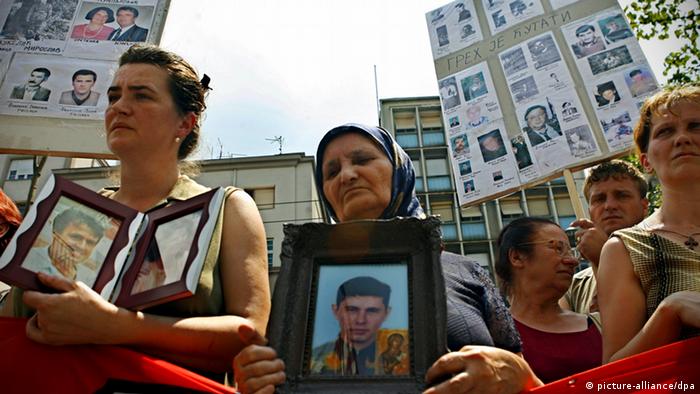 Pristina/ Searching for the Missing in War
The organisation assists local authorities in increasing investigative capacities and expertise in the country, helps families of missing persons with psycho-social programmes, establishing proper bodies and financing activities.
Searching for Information Even in International Archives
The KKKN supports the search for missing persons in unresolved cases, looking to UN, EU, KFOR international archives. Most missing persons have been found after identifying lifeless remains of bodies in individual and mass graves in Kosovo and Serbia. The challenger has had in identifying lifeless remains of troops,” says the organisation for Deutsche Welle. A working group of investigative experts from Belgrade, Pristina and the international community is working on investigative issues.
KKKN told Deutsche Welles that: “Kosovo has resolved many cases of missing persons. 73 per cent of the cases have been resolved, 27 per cent are difficult cases to locate the country and make identification. ”
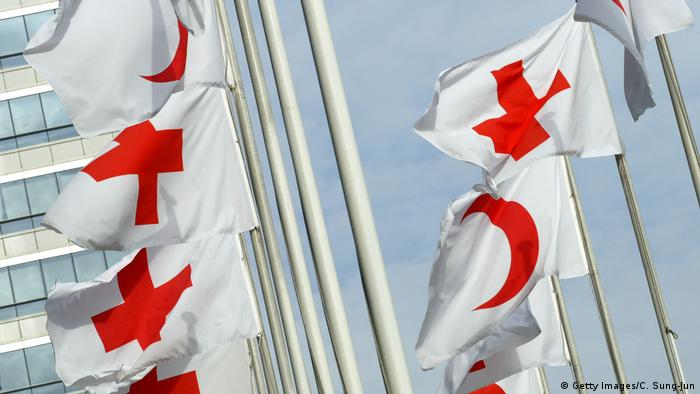 Red Cross is the main partner in search of missing people in armed conflicts
“The lack of information for grave places is the reason why the process has slowed,” explains the KKKN. Last year, a five-year information collection project has been launched in the respective states and national and international organisations. Six employees are collecting information in international archives. After receiving information, national authorities must proceed with cases, the International Red Cross Committee says.