7 hours ago
Report: Kosovo prisoners still mistreated

Periskopi(7 years ago)
(7 years ago)Lack of managerial sustainability in the SKK, non-functioning all existing spaces and capacities in the SKK, overcrowding detention centres, lack of real classification, and the punishment plan for convicts, the presence of banned smuggling phenomenon, establishment and treatment of mentally-disgulated perpetrators are some of [...]
The lack of managerial sustainability in the SKK, non-functioning all the existing spaces and capacities in the SKK, overcrowding detention centres, lack of literal classification, and the conviction plan for convicts, the presence of banned smuggling phenomena, establishment and dealing with mental disorders are some of the main challenges and shortcomings facing Kosovo's correctional institutions.
So said at the conference of the Kosovar Centre for Reconstruction of Torture Survivors on the occasion of presenting the annual report “human rights to the correct institutions”, where achievements and improvements that Kosovo institutions have achieved during the past year were also identified.
QKMT Executive Director Feride Rushiti said the report presented today presents 11-year work accomplished within these institutions.
Rushiti, special emphasis, cost him the need for external monitors in the correctional services, which he said play a very important role in reporting irregularities to the Ministry of Justice.
“Today, corrective service has made an especially progress in improving physical conditions. Many projects and initiatives are under way, while there has been progress in legal framework, while a development has also had in advancing protocols and transfer of health from the Ministry of Justice to the Ministry of Justice”, she said.
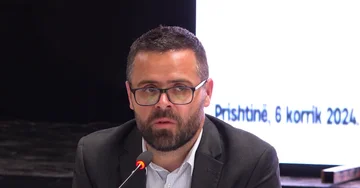
Justice Minister Altin Ademi's adviser, said the report is a mirror of where Kosovo is located in this area.
According to him, the MD is committed to an efficient correctional system as it indicated it will consider recommendations derived from the report in question as part of policymaking.
He voiced optimism that the KRC report, next year, will be only 5-6 pages.
Our “Your teeth are not nearly as close as they were in the past. It means there's been an extraordinary process. The report also issues challenges but are isolated cases. We are noted to have an effective service. Of course, we are aware that there are still challenges and that we are here to identify and give them a solution”, he said.
Rasim Selmani from the Kosovo Correcting Service said the human rights issue is primary to them. He said the Correcting Service has made an open advance, enabling prisoners to communicate with their families through Skype, which, according to him, allows for easier socialization of them when released.
Now we have an application program that's being practiced in Vushtrri, where our staff that entered the system undergo some seven-month training, where a significant part of it is professional training of human rights staff. There are many challenges, and they can come every day, and for that we have made concrete steps which will continue further in this direction, for the rehabilitation of the” prisoners, he said.
And Alban Muriqi, who introduced the findings from the monitoring report, said there are still cases when prisoners are mistreated, and he stressed that all institutions should act effectively. He said material and residential conditions have improved. It stressed that there is no overcrowding but there is a lack of classification, as well as added that there is no programme and re-sociation, due to the inability of work activities.
“The correctional staff can still use physical strength, pressure, especially in the Dubrava prison. We demand that reporting mechanisms be positioned properly where prisoners can report these problems”, Muriqi said.