6 hours ago
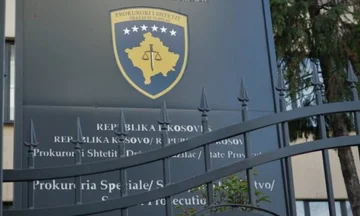
The accused are missing, over 900 war crimes courses of epilogue

Periskopi(7 years ago)
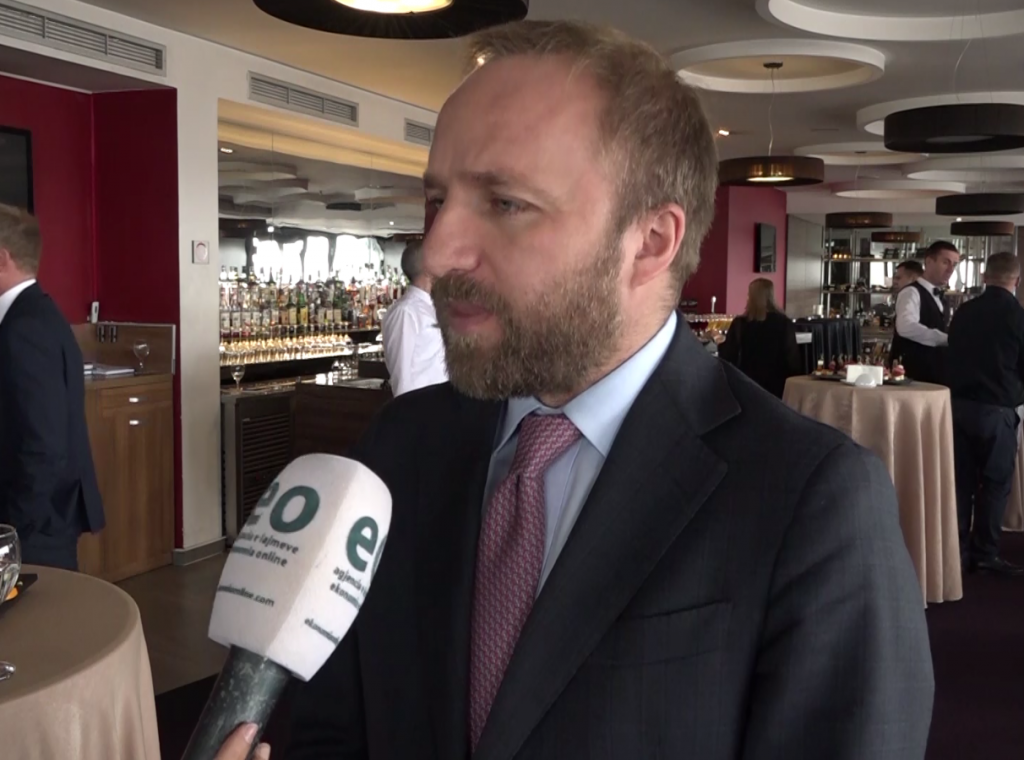
(7 years ago)The perpetrators of crimes during the recent war in Kosovo are being targeted to be tried in absentia. Through changing the Code of Criminal Procedure, the justice ministry has also seen provisions for judgment and punishment in absentia. The country's first justice, Abelard Tahiri, says they have discussed with international experts whether this proposal is [...]
The first of justice in the country, Abelard Tahiri, says they have discussed with international experts whether this proposal is in accordance with international conventions or is a violation of human rights.
According to him, this proposal does not conflict with international conventions and human rights.
The “has also been widely discussed with international experts we have after evolved to re-evaluating the Penal Procedure Code, and it has been highly discussed whether it is compatible with international conventions or is a violation of human rights”.
I think we have made a fair proposal that does not conflict with international conventions and human rights, and I think it has been a need of time for such a proposal to be delivered to the Assembly of the Republic of Kosovo”.
He has shown that up until now some 900 war crimes cases which S.C. can then epilogue precisely due to the lack of indictees.
It's a very appropriate proposal, at the right time, that these people who committed crimes even in the absence of getting deserved sentences. So far, I can say that there are about 900 war crimes substances that S.C. can then epilogue exactly because of the lack of indictees”.
Tahiri acknowledges that institutions have failed to perform their jobs because they belong to the trial of these crimes, but that does not leave Serbia unattended in this regard.
The Republic of Kosovo has not arrived so far, we have managed very little to punish war criminals, and the Serbian state's co-operation has been, almost entirely, non-species, will co-operate with the Republic of Kosovo in bringing to justice those who committed crimes during the war in Kosovo in 98-99”.
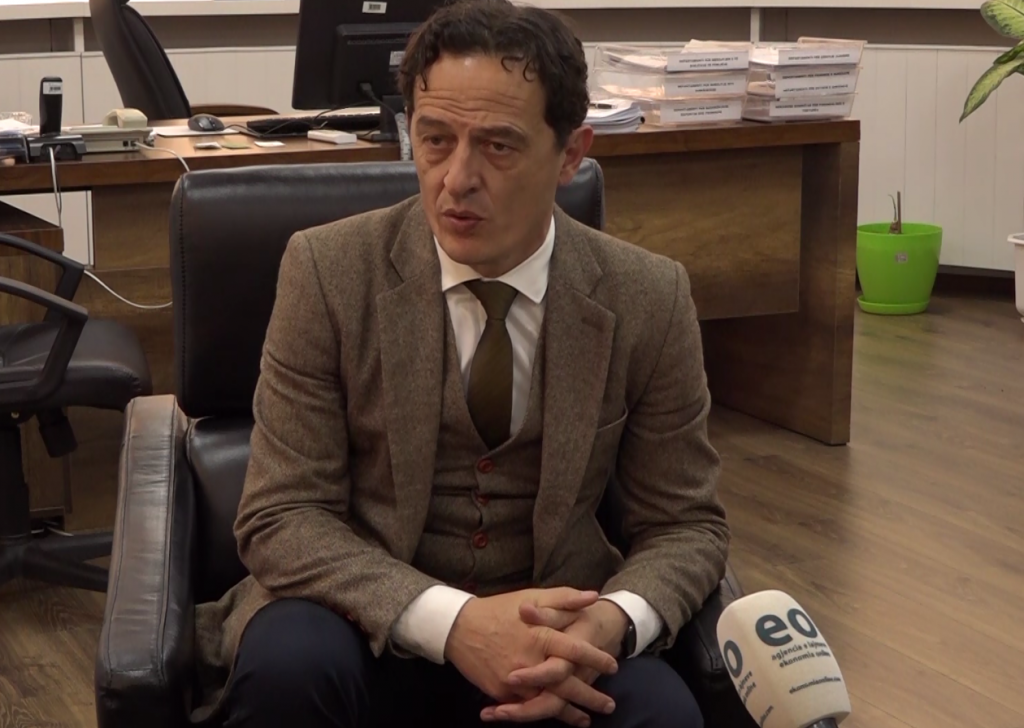
Even the Ombudsman, Hilmi Jashari, told Online Economy, that the Council of Europe has a convention that refers to this ongoing issue.
Many international bodies have such mechanisms, the Council of Europe itself has a convention that refers to this ongoing issue, so as such it is in full compliance with international standards for human rights and freedoms”.
But according to him, it all depends on how much it will work and the initiative will be implemented, but it says these processes have already been tried.
On the other hand, does it make an effective mechanism or not, it is quite another issue that concerns not only circumstances in Kosovo but also wider, eventually in Serbia, and wherever these persons can be located depends on international co-operation. It is possible even earlier, and there is no obstacle behind even earlier that these processes should be organized and judged”.
I don't think there's any question on this mechanism on the international side, while on the other hand, we're enthusiastic about implementing this standard is another issue that, first of all, competent people who belong to our system have to answer, starting by prosecutors”.
The code change has not been voted in the Parliament in absence of quorum.
Kosovo in 2015 has formed the Dutch Special Court for War Crimes at The Hague, with international prosecutors and judges operating under the laws of Kosovo.
Local institutions, on the other hand, initiated initiatives aimed at addressing issues related to war crimes judgments.
Finally came the nomination of Parliament's head, Kadri Wessel, for forming a Tribunali for Serb crimes in Kosovo.
On Thursday, the Assembly has voted out the resolution on genocide, crimes against humanity and the war crimes of the former Serbian state regime in Kosovo.