8 hours ago
Kurds open the door to Assad, the Russian shadow envelops Syria

Periskopi(7 years ago)
(7 years ago)The moment that changed the Middle East arrived with an unexpected silence. Just before 7 p.m. on Sunday evening, the internet was cut off throughout northern Syria, where, in half an hour, Kurds were consuming new news. The Syrian government was returning to their two cities, Manbidge and Kobe. Regional capital, Qamishli, [...]
The moment that changed the Middle East arrived with an unexpected silence. Just before 7 p.m. on Sunday evening, the internet was cut off throughout northern Syria, where, in half an hour, Kurds were consuming new news. The Syrian government was returning to their two cities, Manbidge and Kobe.
The regional capital, Qamishli, was soon empty; the streets that swarmed from minibuses and shops soon became frightening and dark. With the Internet working, the phones did no work, nor did officials who had disappeared with traffic. The few remaining people knew what the moment meant: It was changing power. It was time to be filled with fear.
People feared the return of Damascus to governing their cities. These seven years had lived far away from them under the control of the Kurds themselves.
Something far greater was being played in this country; the end of the American influence in Syria. The real change of power was not between the Assad regime and the Kurds, but between Washington and Moscow, which cemented influence in the Middle East.
As to celebrate this moment, Vladimir Putin arrived in Riyadh [the capital of Saudi Arabia] for a state visit Monday, for the first time in 12 years, and was hosted by Crown Prince Mohammed bin Salman.
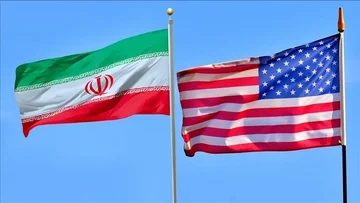
Saudi Arabia had also felt abandoned by the United States after awaiting strong US attacks against Iran when the incident with oil plants took place.
In northern Syria, the US decision to abandon Kurds has caused rage among local residents. It is better to compromise than to be subjected to genocide,” said Mazlum Abdhi, commander of the Kurdish Democratic Forces who had fought side by side with American troops.
Kurds had held talks with Russian officials in Qamishli in recent days on terms of their pact with Damascus.
For Kurds, the dream of autonomy has collapsed. The new alliances will extend their consequences to the next generations in this country.
Iran and Russia are the dominant forces in the region currently. They will dictate policies in the region. Things have changed without translation. /Periscope