14 minutes ago
Elections over 19 years, Ambassador Braathu: Kosovo has noted remarkable progress

Periskopi(7 years ago)
(7 years ago)The history of elections in post-war Kosovo begins just in the month of October 2000, when the first local elections for the Municipal Framework were also organised. These were Kosovo's first steps towards the start of building a democratic society that had emerged from the war with Serbia. OSCE Mission in [...]
The history of elections in post-war Kosovo begins just in the month of October 2000, when the first local elections for the Municipal Framework were also organised.
These were Kosovo's first steps towards the start of building a democratic society that had emerged from the war with Serbia. The OSCE Mission in Kosovo had established the CEC in 2000 and this institution was led by the chiefs of this mission until 2008, when Kosovo declared independence and took responsibility for organising the elections.
OSCE Ambassador to Kosovo Jan Braathu as well as the leader of the election team Bujar Basha show how the elections were made without legal and budgetary local framework, while the biggest challenge was holding three sides of the 2007 elections.
Kosovo has made remarkable progress, remember what the situation has been like in 1999 or 2000? Kosovo had emerged from a completely devastating war, there has been extraordinary polarisation among ethnicities, and there has been no history of democratic elections. The OSCE was responsible for organising the first municipal elections in 2000, then in 2001 that were the first parliamentary elections, and that has continued until 2007, when municipal elections were held, for municipal and parliamentary mayors, so three processes simultaneously, and that has been the last time O. The SEU has been responsible for organising them. Some elections have been more challenging in the organisational aspect, and some in the political side”, Jan Braathu, the OSCE ambassador to Kosovo, shows.
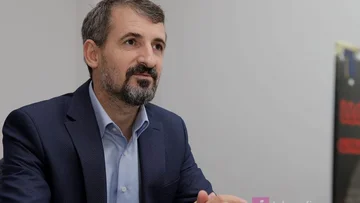
But, Professor Milazim Krasniqi shows that citizens did not trust the organisation of elections by international institutions and that they thought they did too.
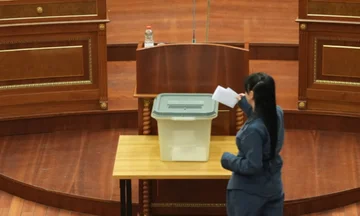
And that after declaring independence, all parliamentary elections were early. The 6 October elections are the 7th consecutive for the Kosovo Assembly.
There are 25 political subjects in the race, 7 are Albanian, 4 Serb, 4 Bosniak, 3 Gorane, 2 subjects have askhaklines, Roma and Egyptians, and Turks only 1 political subject. They all make up 1 thousand and 67 candidates for deputies, 343 women and 724 males.