7 minutes ago
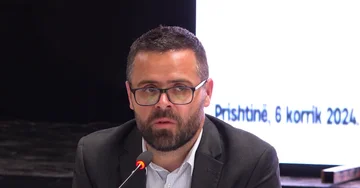
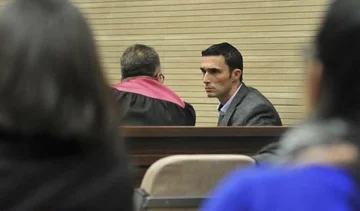
Remi interviewing has started at The Hague

Periskopi(7 years ago)
(7 years ago)Former Kosovo Liberation Army Commander Rrustem Mustafa was presented on Monday for an interview with the Special Prosecutor in The Hague over allegations of involvement of former KLA members in war crimes and postwar Kosovo. In a brief statement to journalists before the interview, Mustafa said that “would respond all [...]
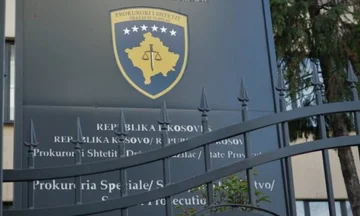
Former Kosovo Liberation Army Commander Rrustem Mustafa was presented on Monday for an interview with the Special Prosecutor in The Hague over allegations of involvement of former KLA members in war crimes and postwar Kosovo.
In a brief statement to journalists prior to the interview, Mustafa said that “would answer all of the prosecutor's questions”.
Sami Lushtaku, also former KLA commander, will be interviewed in The Hague this week.
Among the interview guests are Sokol Dobruna, Nazif Mehmeti and Raymonda Rreci.
Lawyers Some guests have said that their clients “will be voluntarily offered” and that “are willing to clarify any situation” the Special Prosecutor is investigating.
It has been reported that Remzi Shala, who has also received an invitation, will not appear in the interview, since he has said he does not trust the Special Court to address war crimes claims in Kosovo.
The Special Prosecutor's Office has not spoken about invitations, while authorities in Kosovo have called on all those invited for the interview to answer, so as to show the KLA “pure war.
Kosovo Prime Minister Ramush Haradinaj has said on Friday that his government has not been informed by the Special Court of interviews to be conducted, but has recalled that Kosovo has a legal obligation to support the affected and their families legally and financially.
The Special Court Law was adopted in the Kosovo Assembly in 2015, while the institution became operational in July 2017, when the regulation of procedure and evidence was adopted.
The tribunal will operate in The Hague, with international prosecutors and judges, but with Kosovo laws.
Its creation has followed publication of one report From the Council of Europe in 2011, in which there is reported evidence enough to investigate crimes allegedly committed by former KLA members against Serbs and some Albanians suspected of co-operation with the Belgrade regime, during and before the war.
Investigations will focus on alleged crimes from January 1998 to December 2000.
In Kosovo, the Special Court has caused discontent and anger and has led to protests by KLA veterans.
According to some, the court is drawing on the KLA's war with the atrocities of Serbian forces during the 1998-1999 war in Kosovo, which has ended with NATO intervention.
Veterans and some MPs say this court should judge all those suspected of committing crimes in Kosovo and not, reportedly, only an ethnic community.
In late 2017, after a petition with 150,000 signatures, a group of Kosovo Assembly deputies has taken the initiative to abolish the Special Court.
After weeks of political pressure from the international community, Kosovo institutions leaders have said the tribunal will not be abolished. / REL/