an hour ago
Kosovo Marks Human Trafficking Reduction

Periskopi(7 years ago)
(7 years ago)The violence of human trafficking continues to be present in Kosovo, though in recent years, according to the Kosovo Police, the number of trafficking victims has been reduced, both from Kosovo and from victims from other states. According to Kosovo Police data, during 2017 there were 32 victims of trafficking, [...]
According to Kosovo Police data, during 2017 there were 32 victims of trafficking, with 25 of them having Kosovo citizenship.
And in 2018, the number of victims has been reduced to 15 persons, with 12 of them in Kosovo's citizenship.
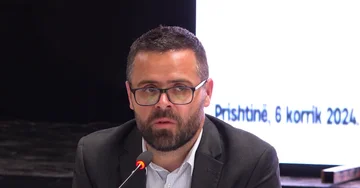
The senior anti-trafficking official at the Ministry of Labour and Social Management in the Government of Kosovo, Adele Shaqiri, said that dealing with human trafficking victims, under social treatment, is treated as victims of organised crime.
“Categoria of trafficking victims in Kosovo, under social protection, is treated as all persons in need, but normally with a different priority because trafficking victims are victims who come from organised crime, therefore, and are treated with a priority different from the actions of the entire system around the Republic of Kosovo”, Shaqiri said.
It also disclosed that the situation in shelters housing trafficking victims is stable.
Kosovo's “Republic is, to call it, quite stable in the sense of providing housing of this category. Within the framework of the Ministry of Social Management, the safe temporary shelter, which houses victims of human trafficking at the middle and high risk level. He has an abundant capacity. We've never filled out the capacity of the seats and beds as long as we have, what's fortunately, is positive”, she said.
According to Shaqiri, there are two other accommodations in Kosovo that care for trafficking victims, but are managed by non-government organisations, while the Ministry of Social Management supports their projects.
Two other organisations operate in Kosovo. Organizations that come from civil society within them have shelter. One of these treats, shelters, rehabilitates only children, abused abusers, and victims of trafficking. It's home to the openest type, children who were victims of trafficking, those who result in low risk rates. So we have another rehabilitation centre, our partner, it's not a state institution, it's a partner centre of the Ministry of Social Management, offering rehabilitation services and longer-term reintegration services for trafficking victims”, Shaqiri stressed.
While electronically, the Centre for Protection of Victims and Prevention of Trafficking in Human Beings has announced that their capacity is 7 beds, and that during January, 5 people are being exploited.
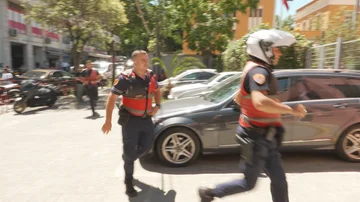
On the other hand, Kosovo Police data reports that 203 people were arrested in 2017 under suspicion of having committed criminal trafficking work with human beings. During 2018, 263 people were arrested.
Trafficking in human beings remains a challenge for the state of Kosovo. According to nongovernmental organisations, in most cases, Kosovo victims are minors, living in rural areas under difficult socioeconomic conditions, or these victims have experienced physical violence in their families. /rel