an hour ago
Idlib Battle, Massacre Over Seven-year Disaster in Syria

Periskopi(8 years ago)
(8 years ago)By Margaret Cooker, Hwaida Saad and Carlotta Gall (New York Times) On the ground, the Syrian government is gathering thousands of recruits to strengthen its weakened forces. At sea, a Russian naval flotilla is very close to shore, ready to intervene with an extraordinary force in case of need. Meanwhile, in the province of Idlib, [...]
By Margaret Cooker, Hwaida Saad and Carlotta Gall (New York Times) On the ground, the Syrian government is gathering thousands of recruits to strengthen its weakened forces. At sea, a Russian naval flotilla is very close to shore, ready to intervene with an extraordinary force in case of need. Meanwhile, in the province of Idlib, millions of civilians fear what the near future can offer.
The warring parties in the extremely long and ruthless civil war are preparing for another brutal offensive, perhaps the last.
The canning attack in the province of Idlib is what the government in Damascus hopes to give the latest military blow to rebel fighters and their supporters among civilians, who rose over 7 years ago with the demand for change of the regime.
But where Syria and its allies, Russia and Iran, see an opportunity to seize control of the rebels' recent positions, Western leaders warn of a humanitarian disaster in Idlib, where some 3 million civilians are believed to live.
Many of the civilians already found in Idlib have moved from other parts of Syria, fleeing the brutality of President Bashar al-Assad's government forces. Tens of thousands were even moved there by buses as part of the government's handover agreements.
The imminent government offensive, to those believed to be about 30,000 rebel fighters, is a perfect “stout in front of our eyes”, said the special UN envoy to Syria, Stiffan de Mistura.
Turkey has also expressed deep concern over the attack, amid fears that it will bear the burden of humanitarian and security disaster. Ankara has sent troops to the ground in Idlib, with the aim of separating Syrian forces from rebel forces, but Turkish soldiers can be found in the midst of the offensive storm. Turkey currently holds over 3 million refugees from civil war, given the economic crisis and growing dissatisfaction against the Syrians in the country, will hardly accept others.
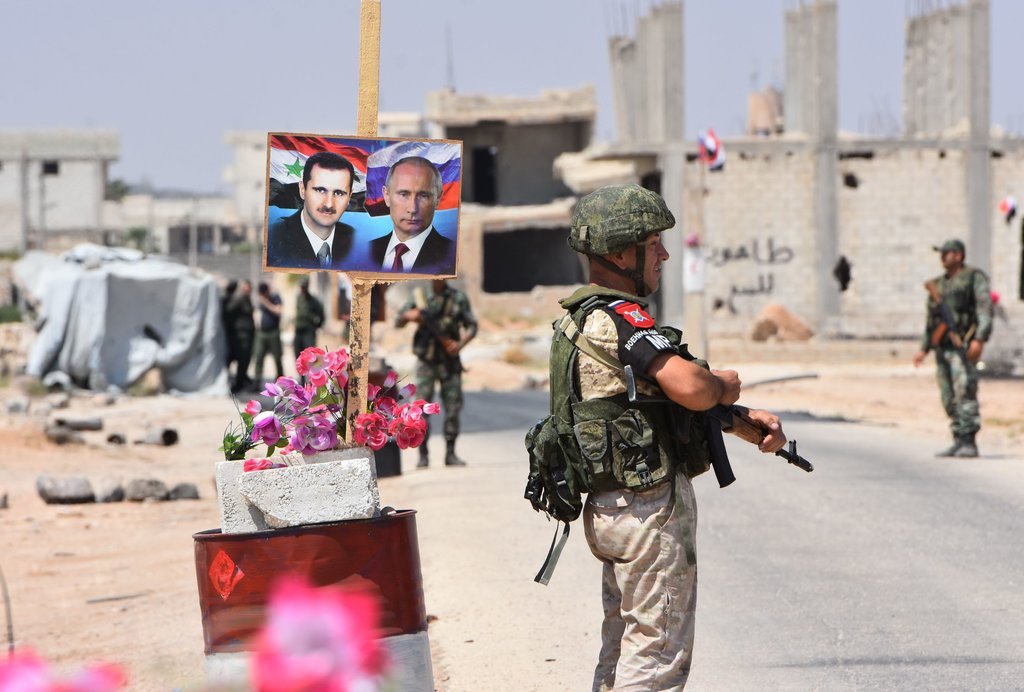
During the recent visit to Moscow, Turkish Foreign Minister Mevlut Cavusoglu called for more time on a Turkish plan for negotiations with rebels in Idlib, including radical Islamic groups.
A military solution would be a disaster for that country”, Cavusoglu said at a press conference while standing by his Russian counterpart, Sergey Lavrov. “Attacking Idlib as a whole to eliminate several radical groups means causing the deaths of hundreds of thousands of people, and to leave homeless about 3.5 million people living there again”, Cavusoglu added.
Over the past two years, the Syrian Army, thanks to strong support from Russia and Iran, has taken over entire areas of the country. And while most of the country has entered “shina” of government forces, they can turn their attention firmly into Idrib.
If the government succeeds in taking over the province, the last major rebel raid, the victory would essentially mark the end of the armed opposition within Syria. But it would hardly signal the end of the conflict or suffering caused by it.
About a quarter of the country would continue to be out of government control, while the restored control in some areas is still controversial, as armed rebels are still able to launch minor attacks. Seeing infrastructural collapse, millions of displaced people and the control of Kurds in the eastern territory of the Euphrates River, Syrian war may still take a long time to resolve, even if Idlieb falls into the hands of the government.
The opposition of rebel forces in Idlib is expected to official “the devastating burden of victims among civilians, who have endured the worst suffering since the 2011 conflict outbreak in Syria. More than 350,000 people have been killed, while over 11 million have fled their homes.
The attack on Idrib would be a single “disaster over a catastrophic “war, according to group “Sougan”, a company with headquarters in New York that offers security analysis to governments and organizations.

US Secretary of State Mike Pompeii warned of a large-scale catastrophe over civilians in Idlib. The three million Syrians who have been forced to abandon homes and are now accommodated in Idlib will suffer even more of this” aggression, he wrote in Titter during Friday. “Not a bit well. The world is watching!
In another post on the same day, Pompeii invited his Russian counterpart not to support the upcoming offensive.
“Sergy Lavrov is defending the Syrian-rus attack on Idlib, he wrote. The Russians and Assad agreed not to allow this. The United States views this as escalation of a conflict even as it is extremely dangerous”.
The State Department also warned Friday, through a statement, that the United States would proportionally respond to any chemical weapons attacks by the Syrian regime”.
Despite international calls, Syrian and Russian officials were seen over the weekend prepare openly to strike rebel forces, still active in the province in question.
And while the government has yet to declare a starting date for the offensive, the Syrian army has sent thousands of ground forces, as well as dozens of armoured units along the southern border with Idlibin.
At the end of the week, Russia also launched powerful naval training in the Mediterranean, just a few hundred miles from possible front lines, including 26 battleships and support vehicles, as well as 36 planes, including strategic bombers.
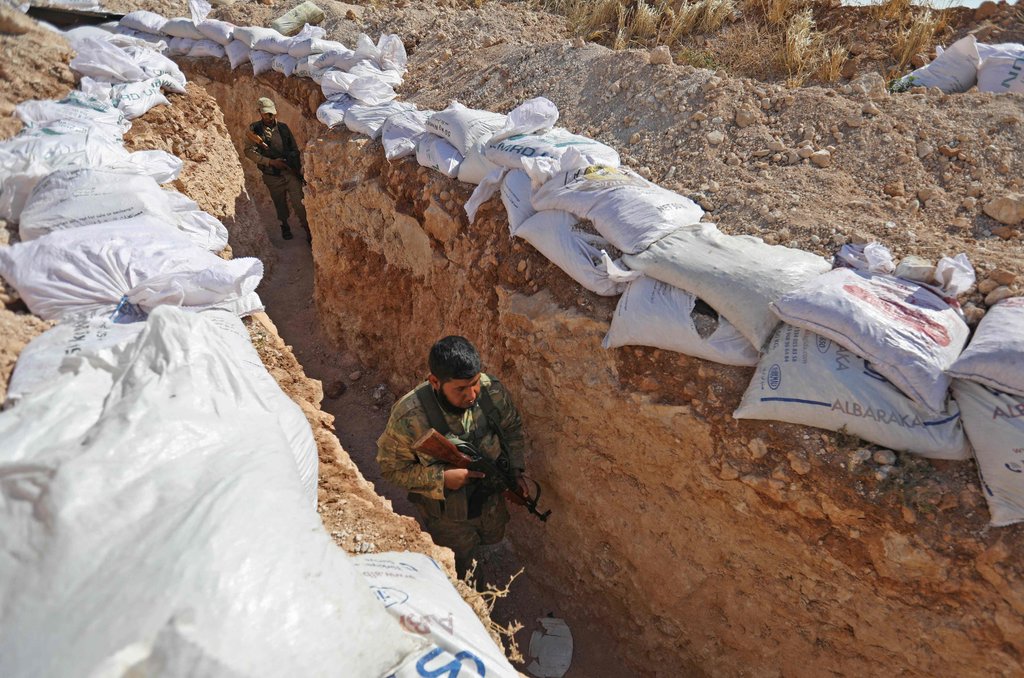
Although Russia has denied that these maneuvers are related to the possible battle in Idlib, Russian officials have had a killing tone when they have talked about the need for intervention in the province. Lavrov last week described Idlibin as a “eskeme” to dry.
Turkish President Recep Tayip Erdogan will meet with Russian and Iranian counterparts Vladimir Putin and Hassan Rouhan, this Friday to discuss Syria in the latest round of their discussions on the subject on what is also known as the Astana” Process. The meeting is expected to be the last before a possible offensive.