6 minutes ago
What happens now, after another Erdogan mandate?

Periskopi(8 years ago)
(8 years ago)He has won his second term in a turbo-loaded version of work. The presidency was once a largely ceremonial role, but in April 2017, 51 per cent of Turkish voters approved the new Constitution granting the president new powers. Direct assignment of senior public officials, including ministers and deputy; [...]
He has won his second term in a turbo-loaded version of work.
The presidency was once a largely ceremonial role, but in April 2017, 51 per cent of Turkish voters approved the new Constitution granting the president new powers.
Direct appointment of senior public officials, including ministers and deputy; The power to intervene in the country's legal system; and the power to impose a state of emergency are the president's new powers.
Also, the prime minister's work will be averted.
Critics have accused Erdogan of trying to become a single ruler, as well, and his rivals have said he will not bring about the change, the BBC writes, Telegraphed.
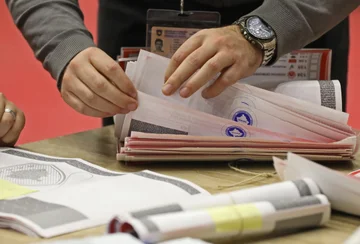
If both results from today's elections are against the current president, Turkey's political landscape will vary significantly, but if there are differences between the president and parliament, then a period of political instability could be triggered in the years ahead.
The country has been through a turbulent period since the 2016 coup effort.
According to the United Nations Organization, more than 160 thousand people have been arrested as part of a crackdown on the followers of cleric Fethullah Gulen, whom the government accuses of being part of the plot, but he denies it.