7 minutes ago
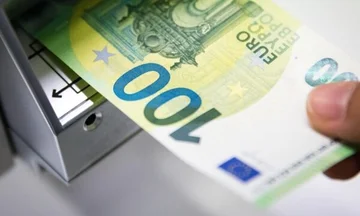
The diaspora is increasingly sending money to Kosovo

Periskopi(8 years ago)
(8 years ago)The shipments from the diaspora to Kosovo continue to present one of the main sources of household economies' consumption financing. They also present sources providing stable social conditions. According to the recent Kosovo Central Bank data sent Radio Free Europe, remittances continue to mark growth. The sum of remittances in 2017 [...]
According to the recent Kosovo Central Bank data sent Radio Free Europe, remittances continue to mark growth. The sum of remittances in 2017 was 759.2m euros, until 691m euros in 2016.
The remittances that are accepted in Kosovo mainly come from Germany, Switzerland, the US, Italy, Sweden, Austria, France, Great Britain and other states.
In addition to remittances that are constantly sent to Kosovo, large amounts of financial means immigrants from Kosovo spend even when they come on vacation, especially during the summer season.
There are serious socioeconomic conditions in Kosovo that have forced immigrants to send to their families.
Bajram Thaci lives in Germany. He says he has helped his Kosovo family for years.
They needed us and we helped them. Some of them were out of work and needed us. Now, some are even employed and no longer need our money”, he says of Radio Free Europe.
While, Astrit Kastrati says that without the support of their family would fail to deal with the salaries they receive in Kosovo.
I have many families abroad. They helped me out with my studies and paid all I needed, the faculty, the apartment where I own the rent, all of it. But when I get hired, I'll support myself and I won't cut their money. I am grateful to you for all that they have done for us here”, he says.
Kosovo is seen as one of the states most accepting remittances from the diaspora, or its immigrants living in different countries.
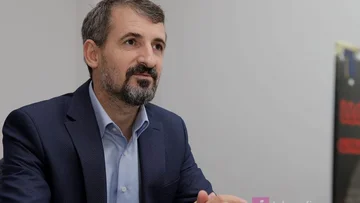
Economic Affairs expert Medi Bektashi told Radio Free Europe that with visa liberalisation, even remittances would mark growth.
For the next year or with the quickest visa liberalisation, the arrival of remittances will be even greater, due to the freer circulation of Kosovo citizens -- primarily young people -- who will go to schooling and can work out certain jobs to bring remittances to Kosovo. I believe that if liberalisation is done, we will have increased remittances, otherwise we will have a deadlock or slowdown of the remittances to Kosovo”, Bektas says.
However, it remains challenging to make available by the diaspora, which is most exploited for consumption, guide in investments that bring greater benefits.
The Kosovo government had pledged relief for the diaspora for the opening and launch of businesses in Kosovo.
According to promises from the Government, the share of remittances dedicated to investment should be increased in order to generate jobs and economic development, including the productivity sector, services and family businesses.
From the preliminary results of the diaspora census, the number of Kosovo citizens living in different countries in Europe and the world, which have responded to the census, is about 350,000. / REL