7 minutes ago
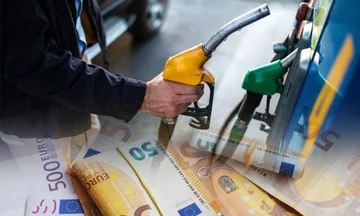
Only 10 per cent of citizens in the north pay the electricity

Periskopi(8 years ago)
(8 years ago)Since 1999, in the municipalities of northern Mitrovica, Zvecan, Zubin Potok and Leposaviqi, there are problems in electricity supply, electricity payments don't work, nor do authorized distributors have mechanisms to register the facilities for the services provided. As only 10 percent of citizens pay their turn in that part of [...]
Since 1999, in the municipalities of northern Mitrovica, Zvecan, Zubin Potok and Leposaviqi, there are problems in electricity supply, electricity payments don't work, nor do authorized distributors have mechanisms to register the facilities for the services provided.
While only 10 per cent of citizens pay electricity in that part of Kosovo. So said on the occasion of publishing the energy and telecommunications agreement analysis “Terr and silence after the Brussels Agreement”.
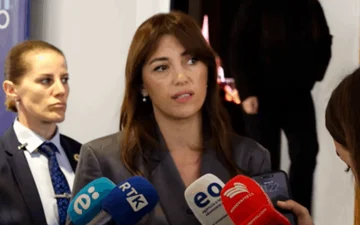
One of the authors of this analysis, Snezana Gjapiq, said the findings show that even this process, as other processes, is not transparent enough.
According to her, despite the fact that it has been discussed since 2013, the energy issue has not yet exceeded the problems, which mainly relate to weak infrastructure.
The conclusion of our research is that this process as all related to the Brussels agreement is not transparent enough. Citizens are unaware of how decisions made affect their lives. When it comes to energy, this field has no specific movement now - now 6 and a half years later. Another thing we've come up with as a conclusion is that we have different interpretations from the two negotiating parties in order to agree on the agreed upon things... What remains as a problem that half the citizens do not pay the bill for the spent electricity. Only 10 per cent of citizens pay electricity costs. What citizens see as a result is the weak electricity distribuom, poor lighting of public spaces, while in the last two years this field of” has been slightly regulated, she said.
Gjapiq said that on the part of citizens it has been recommended that the account be started from zero, that it wipe out debts of the past so that they can start fulfilling their obligations.
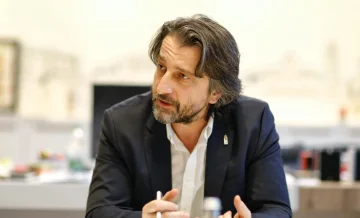
While author Sanja Sovrliq made it known that under this research, they have failed to find out who covers the costs of the electricity for citizens in northern Kosovo, while saying she argues their debts since they receive papal bills.
Among Serbs and Albanians, there are people who do not pay their bills. When we talk about northern Kosovo, we can somehow understand citizens because they get patrol bills. Because if a waitress had received a bill of about 15 grand, which is impossible... Everyone is aware of starting with energy payments, but with certain conditions. So these are just reasons. What we did in this survey is that those who say they owe, the clarification is that they just don't pay. Between the two sides, territories are discussed until people forget”, she said.
On the other hand, Sovrlic stopped at telecommunications, where he stressed that the phone was paid earlier, as opposed to energy. The most important result of implementing the telecommunication Agreement, according to her, is the creation of “MTS S. P. K”, which is responsible for telecommunications in the Kosovo Serb areas. “There are real barriers to access to documents. There are many citizens who cannot obtain documents. Our main recommendation is to take place in the contingent, a price harmonisation especially when it comes to Serbia. An information campaign should be made because decisions are made overnight, and neither will citizens be notified”, she stressed.