14 minutes ago
Energy Future After a Century of Oil Wars

Periskopi(8 years ago)
(8 years ago)Oil makes the world move and creates powerful states. It's such a vital product that it caused some wars during the twentieth century. The few countries that produce it try to maintain control and make sure that oil assets remain in their country. Those who do not have it strive to [...]
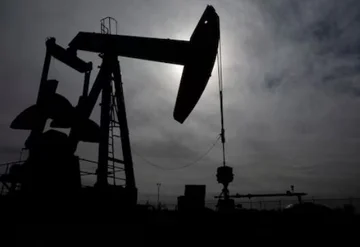
Oil makes the world move and creates powerful states. It's such a vital product that it caused some wars during the twentieth century.
The few countries that produce it try to maintain control and make sure that oil assets remain in their country. Those who don't have it try hard to get it.
In the 1930 ' s, Saudi Arabia was one of the poorest countries in the world. But oil detection changed everything. Saudi Arabia has raised about $515 billion through state wealth.
He has become the head of a powerful cartel that sometimes rations oil to increase prices.
The U.S. are already the biggest producers of oil and gas, due to a revolution in shale threshing excavations. They have managed to collect endless reserves through the digging method called “frecking”, a technology that uses very high - pressure water and sand to crush rocks deep in the earth, producing hydrocarbons.
This revolution has helped the United States to be less dependent on Saudi Arabia oil, Venezuela, Iraq and other OPEC members.
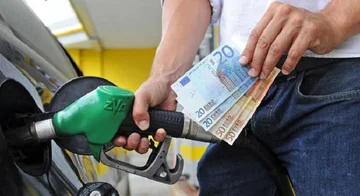
The highest amount of oil and gas has increased benefits for consumers, lowering costs. Oil remains the main fuel, which produces almost a third of the world's energy.
But the golden age of oil may soon end, despite growing demand.
Energy consumption in the world is expected to increase by 30% by 2040. This energy should be cleaner if the world is to avoid global warming.
In the past, gas and coal were cheaper energy sources than renewable ones. But the price of the latter has dropped greatly. Some parts of the world are competing to create more renewable energy technologies to reduce pollution and consume energy more effectively.
China is the country that consumes more coal, the second for oil consumption, but now leads the world with clean energy.
A third of the world's solar - powered panels and power plants are already installed in China. More electronic machines are also sold there than elsewhere.
The goal of saving energy is a major motivation for many countries. China is moving too fast.
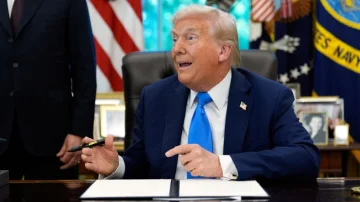
America, under President Donald Trump, is securing its energy, oil and gas independence. But unlike oil and gas, renewable energy does not increase global warming.
The long-term transition to clean technology will bring new challenges to the world. Tensions will develop in posttiblyised Middle Eastern countries, as oil sources begin to dry up.
Another challenge is that the wind and the sun take off each other. Renewable energy requires huge electrical networks to go beyond borders in order to be accurate.
To stop global warming, the world needs much cooperation regarding the future of energy.
If we fail with this effort, the 21st century wars of lack of resources can be even more serious than those of the twentieth century.
The Economist