8 hours ago
Search “Deutsche Welle”: Three things you should know about Jerusalem (Photo)

Periskopi(9 years ago)
(9 years ago)Jerusalem is at the centre of competitive claims and ideology, as well as demographic changes and shocks of power. “DW” analyzes why Jerusalem is so controversial that it has recently been the leading news in the world media. “DW” examines the competing ideological, religious and demographic claims that have captured the holy city. Competition of requests [...]
“DW” examines the competing ideological, religious claims and demographic dilemmas that have captured the holy city.
Request Competition
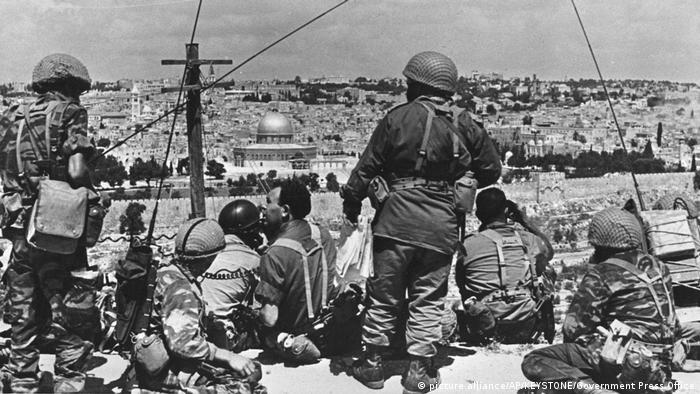
Israel usurped all Jerusalem in the Middle East war in 1967, and then annexed East Jerusalem.
East Jerusalem, which includes the Old Town, is under Israeli law, unlike the occupied West Coast, which is under military orders.
In 1980, Israel's Parliament, Knesset, declared Jerusalem to be the permanent and inseparable <x0] capital of Israel. Knesset, prime minister's residence, Supreme Court and other government ministries are located in Jerusalem.
The international community and the UN do not recognise Jerusalem as the capital of Israel or the annexing of East Jerusalem. No country has an embassy in Jerusalem.
Israel bases its claims on historical and religious grounds, arguing that Jerusalem was the Biblical capital of the Jewish people 3,000 years ago and has remained so ever since. It also cites the de facto situation on the ground, reports “DW” Transmission Periscope. No country but the United States recognizes Jerusalem as the capital of Israel.
Palestinians claim East Jerusalem as the capital of a future independent state, basing its claim on historical, religious and demographic factors.
The international community and the UN agree that Jerusalem should be one of the issues of final status addressed in the peace negotiations for a solution of two states between Israelis and Palestinians.
Sacred Places, Idide
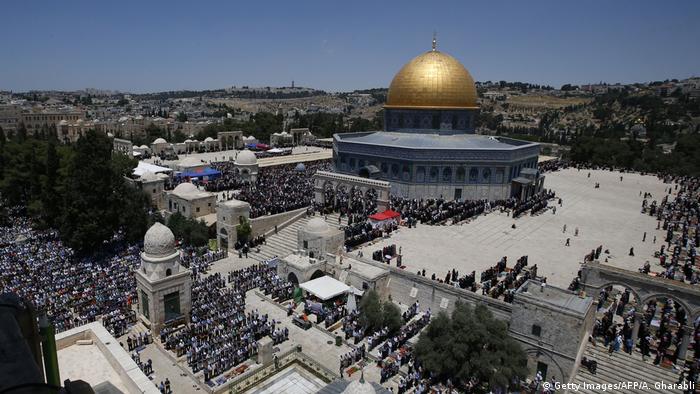
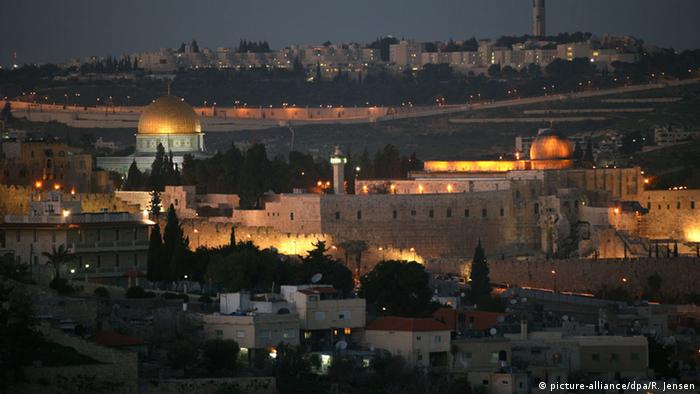
The Old City of Jerusalem focuses sacred sites on Christian, Islamic, and Jewish beliefs and practices in an area of less than a square mile (a third of a square mile).
The center of contention is what the Jews call the Temple Mountain and Muslims like Haram al-Sharif.
For 1.7 billion Muslims in the world, it is the third most sacred place after Mecca and Medina. For Palestinians, it is also a symbol of their struggle for a state.
The Temple Mount is the most sacred place of Judaism, but it remains under the administration of Muslims in Jordan. It is located on the West Wall, part of an old temple and the most holy place where Jews can pray.
Demography and Injustice
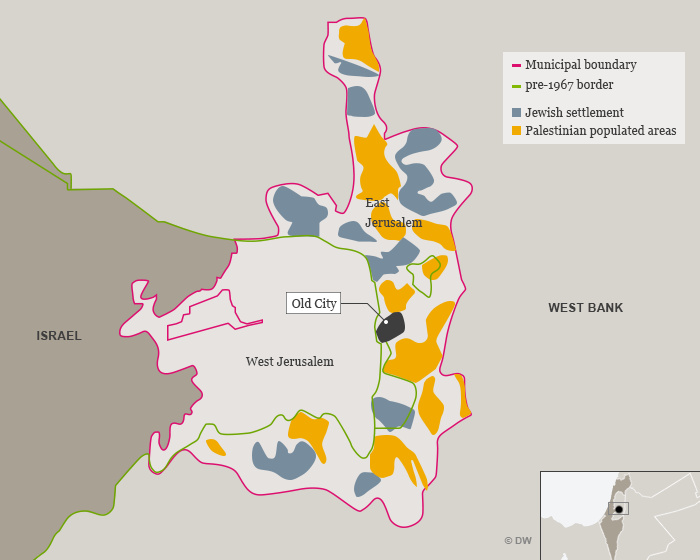
When Israel annexed East Jerusalem, it expanded the municipality of 72 square miles [72 sq km], incorporated 28 Palestinian villages, and covered a border to fulfill demographic goals.
The Israeli human rights group BʹTselem was among its objectives to “in the congested Palestinian areas to secure a Jewish majority in Jerusalem”.
In 2015, Jerusalem's population was about 850,000, of which 63 percent were Jewish and 37 percent Palestinian, according to Israel's statistical office.
Western Jerusalem is mainly Jewish, as was the case before 1967. However, East Jerusalem has a majority of 370,000 Palestinians compared to 280,000 Israelis.
In 2015, Jerusalem's population was about 850,000, of which 63 percent were Jewish and 37 percent Palestinian, according to Israel's statistical office.
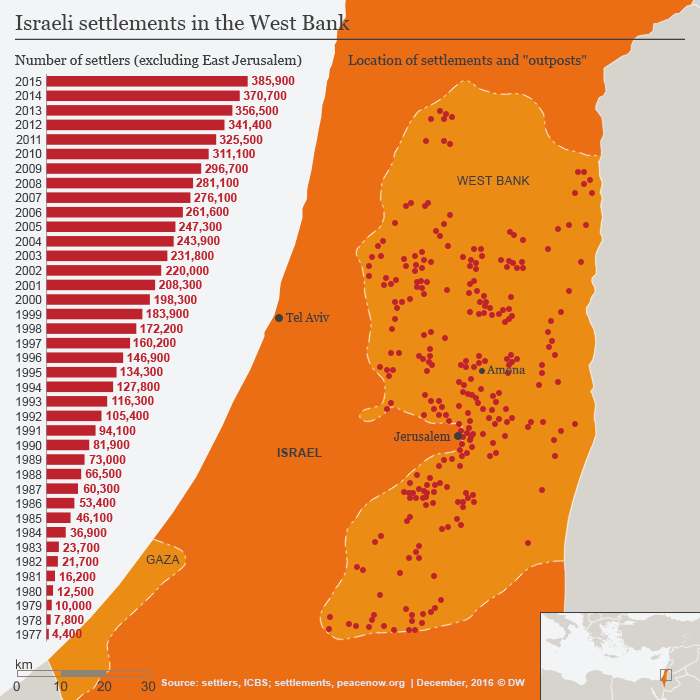
Since 1967, Israel has promoted the transfer of more than 200,000 Israelis to settlements for Jews only, or what the Israeli government calls neighborhoods, to the outskirts of East Jerusalem. The settlements are illegal under international law.
In addition, more than 2,000 Jewish inhabitants live in the heart of Arab neighborhoods in East Jerusalem, sometimes forcing the inhabitants to abandon their homes. In all, nearly a third of the land in eastern Jerusalem has been confiscated for Jewish settlements, according to the UN.
Israeli authorities have limited the urbanisation and construction permits for Palestinians, whose population has increased five times since 1967.
Although Palestinians make up 37% of the population of East Jerusalem, only 14% of the land in East Jerusalem and 8.5% of the land in the Jerusalem municipality as a whole has been approved for Palestinian residential use./Periscopi/