4 minutes ago
KED would go bankrupt if it did not bill the rest of the losses in the north, explains ombudsman

Periskopi(9 years ago)
(9 years ago)The ombudsman, Hilmi Jashar, in front of the Parliamentary Commission for Human Rights, has said he has asked the Energy Regulatory Office and the KDS that all the money that was justly billed to citizens to cover losses in the country's north, to return. He has declared that he expects [...]
The ombudsman, Hilmi Jashar, in front of the Parliamentary Commission for Human Rights, has said he has asked the Energy Regulatory Office and the KDS that all the money that was justly billed to citizens to cover losses in the country's north, to return.
He has declared that he expects the indictment that has been exercised by the Supreme Court of Kosovo to be taken into account, therefore that citizens will be compensated and never repeated this practice that has damaged the citizen's pocket, Klan Kosova reports.
On May 18th of this year, I have received answers from the Energy Regulatory Office, where KED commercial losses have been admitted and the addition reportedly with these losses cannot be managed. And I wanted to know how this case was processed:x1>
I've requested that the tools that have been authorized to citizens, unjustly, return. Not all at once, but on bills, in certain amounts, so that the KED won't be harmed either. We are awaiting answers from the Energy Regulatory Office on the issue. Also, we sought to abolish the 2012 decision ZERE, for payment of these bills, and we are expecting the Supreme Court to consider our” indictment.
These statements by Jashar have reacted to Kosovo's Parliamentary MP from the ranks of the Serbian List, Miljana Nikolic, who has asked to know how the ombudsman has recorded this practice, pointing out the question: “, where does it say that this part of the southern citizens is being added to the expenses of the north”?
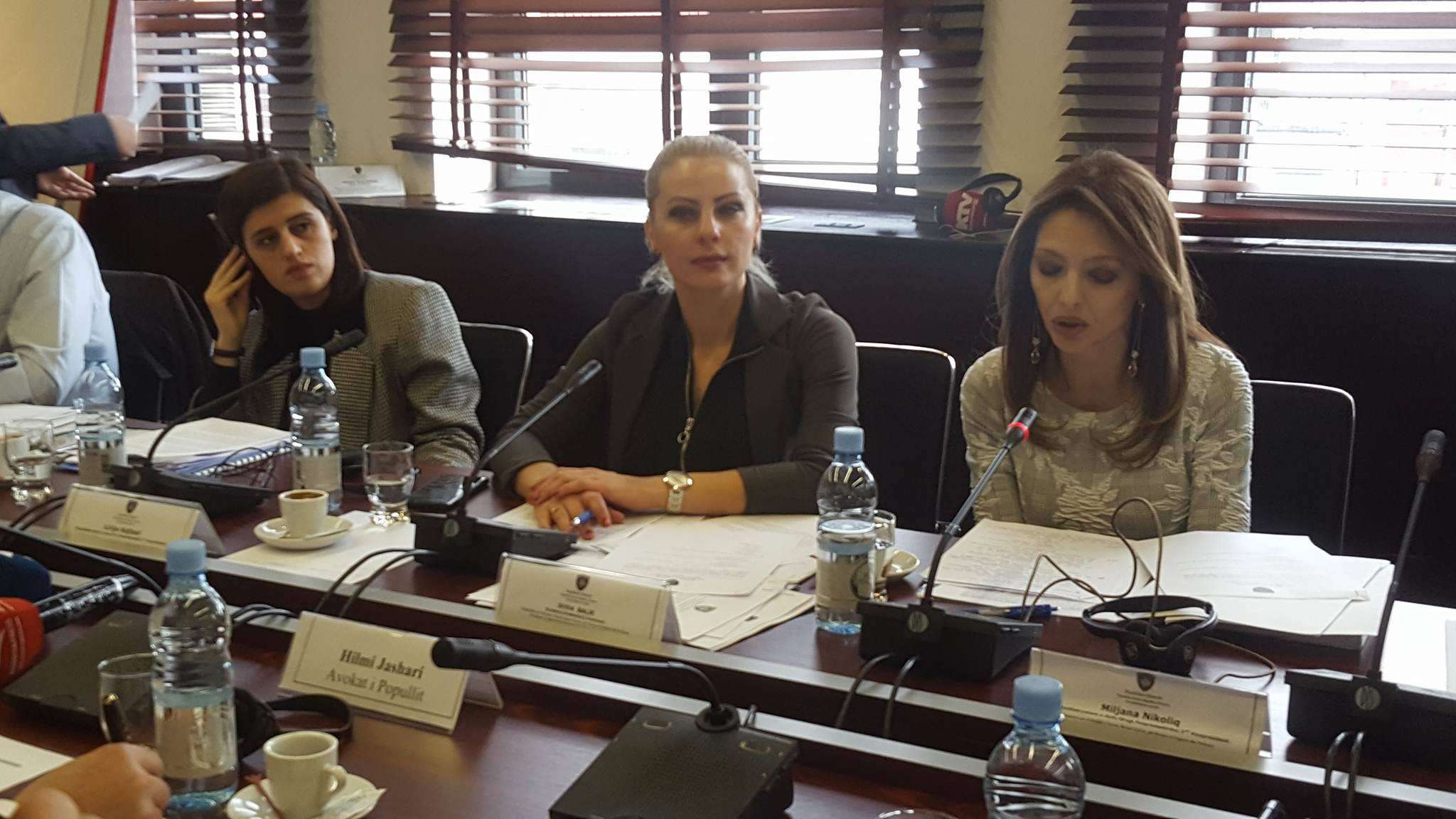
Jashar, responding to MP Nikolic's question, has stressed that this amount is not divided on the bill, as it has been attached to it to spending from each citizen, but that this approach has been confirmed to the Energy Regulatory Office, arguing that otherwise the ECDS would go bankrupt.