6 hours ago
Exquires warn new Saudi prince of eventual dangers

Periskopi(9 years ago)
(9 years ago)Saudi Arabia's Crown Prince Mohammed bin Salman is jeopardising political and regional instability by dismantling a system of decades-old dictatorial rule, analysts and former senior American intelligence officials have told “Al Jazeera”. Since the replacement of his cousin Mohammed bin Nayef in June as the first on the line [...]
Since replacing his cousin Mohammed bin Nayef in June as the first on line to succeed King Salman, 32-year-old has launched a campaign to consolidate power, taking rivals within the Saudi royal family and religious activists, reports “Alzeera”, Perskopi broadcasts.
In September, Saudi police arrested dozens of religious figures, including Islamic preachers Salman al-Adah and Awad al-Qarin, who still lag behind bars.
However, the most ambitious move to the throne came late Saturday, when he expelled the top ministers, where he had arrested dozens of wealthy men in the country suspected of corruption.
They included his cousin and one of the world's richest men, Alaleed bin Talal; at least 11 other princes; four ministers; and several former ministers.
Also arrested were Waled al-Ibrahim, chairman of the Middle East Broadcasting Centre (MBC), one of the region's largest media companies and construction magnate, Bakr Bindadin of the Saudi group “Bindin Mahx2>.
“The transition of large fish” is implied by MBS and its allies to Abu Dhabi as a signal of the newly formed UK sultanist powers “, Durham University academic Christopher Davidson said, using the MBS acronym of bin Salman.
<x) MBS is demonstrating that no one is out of control, as he is now at the helm of a more authoritarian regime, with a man, with the old consensus based on last century's dynasty monarchy, destroying at some point this year”, he added.
Analysts said that this week's cleansing by Mohammed bin Salman could be replaced by Saudi family members at a time when the country tries to balance its finances amid low oil prices.
Bruce Riedel, a 30-year-old CIA veteran and head of the Intelligence Project “Brookings”, shared some of Davidson's assessments, describing the massive arrests such as “unremarked”.
“The royal family policy is traditionally consensual with particular emphasis on preserving honor even for failed ministers”, he said, predicting that breaking the traditional model of ruling Saudi consensus would lead to a internal disorder.
There will be a lot of dissatisfaction behind the scenes in the family, and the Kingdom is heading towards instability”, he added.
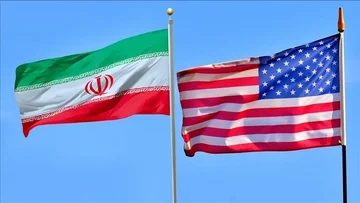
Since the establishment of Mohammed bin Salman at the Minister of Defence and Deputy Prime Minister in 2015, and later in the Crown Prince, Riyadh has taken a more aggressive stance on foreign policy towards Tehran.
In March 2015, Saudi Arabia went to war against the rebels Howth in Yemen, believed to be supported by Iran. Early in 2016, it announced the interruption of diplomatic ties with Iran.
Tensions between Iran and Saudi Arabia have existed for decades, dating back to the 1979 Iranian revolution, which turned it into an Islamic republic.
Saudi Arabia and other Arab states have accused Iranians of wanting to bring down their governments and promote the revolution ever since./Periscopi/