2 minutes ago
Sahin for restricting ATK's cash payments to over 2,000 euros: Consumers and diaspora are being hit
Periskopi(25 days ago)
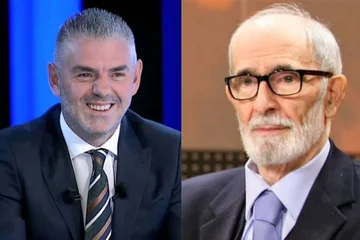
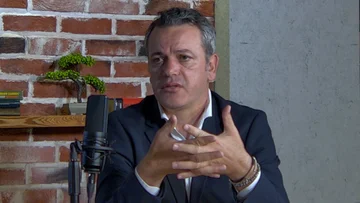
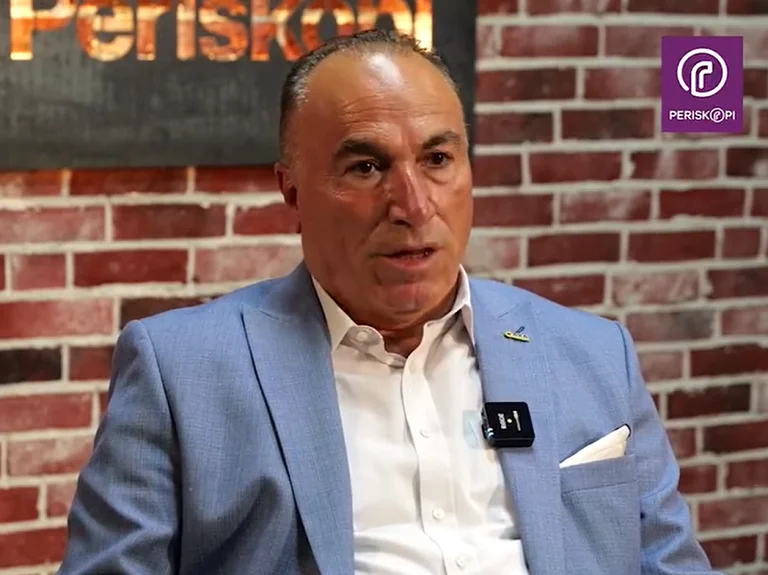
(25 days ago)Kosovo's Business Alliance Chairman Agim Sahini has criticised the Kosovo Tax Administration's decision (ATK) to stop payments with cash ready over 2 thousand euros, praising the move would burden consumers, diaspora and businesses.
Sahin, in an interview for Online Economics, said the ATK is “encourage” with the decision making and that the main beneficiaries will be the banks.
He said the decision also affects the citizens of the diaspora, who do not have Kosovo citizenship and therefore cannot open bank accounts in the country.
There's been such a decision in Kosovo that I think will hit the buyer hard here because in this case ATK has had to control the vendor in the form that has mechanisms to maintain informality, but the buyer, take our diaspora example, our citizens, our villagers, come or build a house and those who build that house, as small as it costs thousands, tens of euros and go to a place to buy the building material and it costs more than 7-eight thousand euros, 10 thousand euros, 10 thousand euros, 15 thousand euros, depending. He buys it every once in a while and our citizens are forced to open a bank account, maintain that account, it's expensive, and in EU countries you can go and buy up to 10,000 euros, whenever you want, and nobody asks you what you're buying, and that's not good enough, I think it's going to hit consumers. And informality has different mechanisms that can be fought, because each citizen, business, should raise its own fiscal culture, pay taxes, pay taxes, but not limit the pay system, as in this case as high as 2,000 euros”.
I think that Kosovo in this case has not thought well of citizens, has not thought well of people in the diaspora, about the consumer. The diaspora, if they have foreign passports and live in Kosovo, have no citizenship of Kosovo, they can't even open the account in Kosovo, and that's pretty heavy, and I think that ATK is in a hurry to make such a decision and such a decision I don't think will bring more benefits to the state, except the banks that have all the expensive services, the interest is expensive and they're not that much in co-operation with the consumer, and that I don't think it has hit the consumer too much;”, he said.
According to him, limiting cash payments will not necessarily affect fighting informality, while added that European Union countries do not have such restrictions.
Sahin added that the main problem remains the failure of fiscal bills from vendors.
“Informity in this form cannot be said to be provided more, but the obligation in the banking system is a greater control, but on the other hand is a greater limit that other countries do not have, neither does the EU, because each of us can buy in the EU up to 10,000 euros of what we want, without restriction, without accessing through the banking system, but there are other mechanisms that the vendor dares sell without a bill, and in this we still continue to sell without a bill. Information exists, especially in services, especially in the construction sector, of various craftsmen, and that ATK would have to increase control through fiscal crates and fiscal crates are the ones that control it, but the banking system is not the one that controls business, is it selling it and paying the tax tax tax, but it's the ATK through the fiscal crate system”, he said.
Kosovo's Tax Administration has announced that on June 1st 2026, payments on over 2 thousand euros between businesses and individuals will not be allowed to be carried out with cash, but only through banking system or electronic payment forms.
From June 1st 2026, payments above 2,000m between businesses and individuals are not allowed to be conducted in cash and should be realised only through banking system or other electronic forms of payment. Respect legal restrictions, and avoid fines. Don't pay cash on the allowed” limit, said the ATK report. /Periscope