a few seconds ago
Why is one World Cup match played on Sunday?
Periskopi(an hour ago)
(an hour ago)After two weeks of almost endless football, the 2026 World Cup is entering a new stage of the race.
Fans, who are accustomed to attending several matches a day during the group phase, will experience a major change Sunday, when there will be only one match in the programme.
The reason for this change relates to the transition from the group stage to the preliminary phase. The 2026 World Cup is the first in history to develop 48 nationals, which has brought a new format with the round of 32 teams.
Historic phase of direct elimination begins
The group phase officially ends after the last matches of the J Group, while immediately the phase of immediate elimination begins.
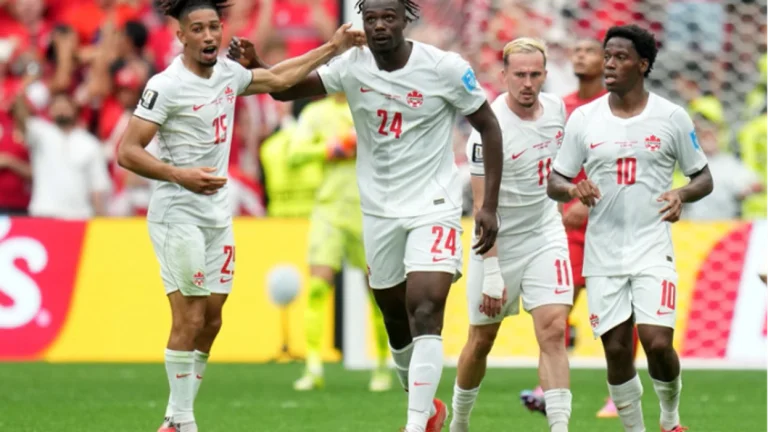
The first round match of 32 will take place on Sunday, June 28, between Canada and South Africa at the SoFi Stadium in California.
The meeting will begin at 9: 00 a.m. by Central European time and will be the only match of the day. At the same time, it will go down in history as the first leg of the preliminary phase in the expanded format of the World Cup.
Time for Recovery and Organization
FIFA has decided that the transition from the group's phase to the preliminary phase will take place gradually, leaving only one match in the programme Sunday.
This decision gives teams more time for travel, physical recovery, and preparation for crucial challenges.
After Sunday's match, the tournament will continue on Monday with another confrontation, while then the pace will return with two or three matches a day, Telegrafi reports, broadcast Periscope
A Day of Transition in the Tour
The change is especially evident after the first two weeks' intensive calendar, when up to four games a day. For European fans, many of these meetings were fought in later hours of the evening or at night.
Thus, Sunday serves as a day of transition between the two stages of the tournament, marking the start of matches where any error can be fatal, but simultaneously providing a necessary vacation for teams ahead of crucial World Cup challenges. /Periscope/