2 minutes ago
Chaos with World Tickets 2026: Falling prices, suspicions of FIFA manipulation
Periskopi(21 days ago)
(21 days ago)With just a week until the 2026 World Cup start, questions about the ticket market are growing, while the situation remains unclear and often contradictory.
Although FIFA had promised a “fully sold” tour, in reality thousands of tickets are still available on different official and secondary platforms.
“
FIFA President Gianni Infantino said in February that “Every match is sold”, adding that only a limited number of tickets are held for sale last minute.
But recent reports from BBC Sports Show another view: For many matches, especially those with less-known teams, there are still thousands of unused tickets.
According to analysis platform data TicketDataAt one last moment, about 74,000 tickets were available for 86 out of 104 total matches.
Just a few days later, this figure dropped significantly, creating doubts about unusual market movements.
Problems With Prices and Transparency
One of the main criticisms of FIFA relates to the way the ticket is sold.
US authorities, including New York and New Jersey prosecutors, have launched formal investigations into FIFA on allegations of artificial price hikes, fans fraud and lack of transparency in the acquisition process.
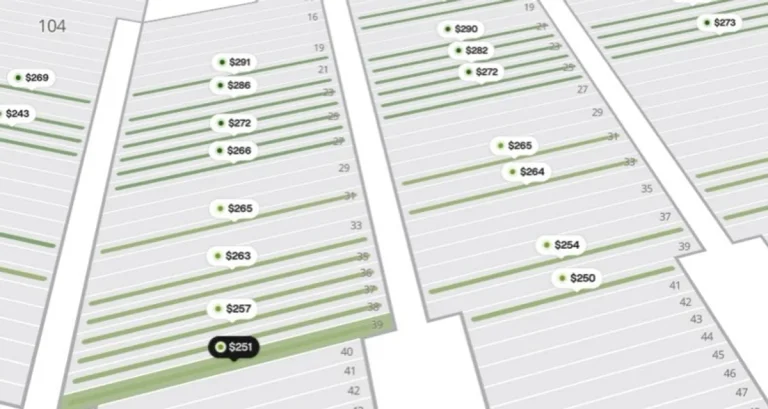
According to the investigations, some fans who bought tickets in certain categories ended up taking seats of lower value than they had paid, often farther away from the field.
Another criticism is the fact that a clear price structure was not published during the lot phase.
Many fans understood the real cost only at the time of the payment.
“Start at prices” and continuing changes
FIFA used a system called <x0);variable pricing”, where prices vary during various phases of the sale, but without full transparency for buyers.
In some cases new categories of seats have been added, especially in the nearest areas, at prices of up to 50% higher, without being available in the first stage of lots.
According to reports, these changes in stadiums and categories have created great confusion and discontent with fans.
Are the games really sold?
Although FIFA insists that the stadiums are “sold”, reality seems more complex.
Fights with major teams such as Argentina, Brazil, England and Spain are expected to be packed without problems.
But less attractive matches like those with small or debut teams are facing serious hardship in selling.
Examples include meetings like:
Bosnia and Herzegovina vs Qatar
Cape Verde vs. Saudi Arabia
Congo Versus Uzbekistan
In some, thousands of tickets remain unsold, even in recent stages.
The problem of high prices in host countries' matches
Even matches with the participation of US, Mexico and Canada organisers have not been sold completely.
Only two of their nine matches resulted in official sales.
For example, the opening match between Mexico and South Africa still had hundreds of seats at prices of up to $2,273 per ticket.
Seconds and the New Speculation Market
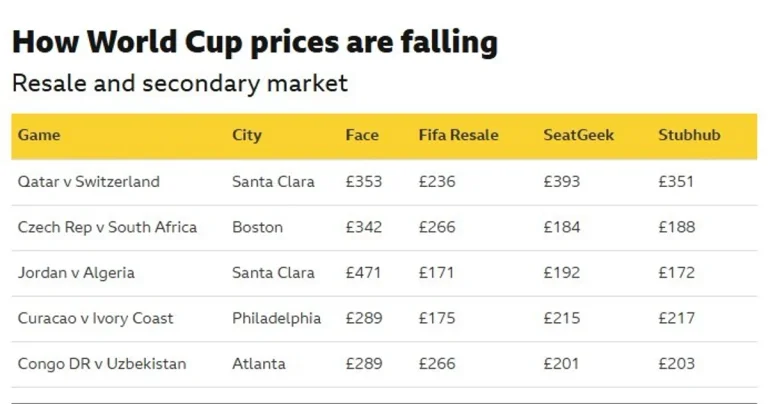
Another important element is the secondary ticket market, where platforms such as SeatGeek, Stubbub and Vivid Seats are showing thousands of new lists.
Reports suggest that, in some cases, prices on these platforms are lower than FIFA's official price, raising suspicions of lost sales from initial buyers or organised partition of ticket inventory
FIFA, in turn, encourages the use of its official breeding platform, where it holds a commission from any transaction, but criticism of lack of transparency continues.
Is FIFA trying to avoid gaps in stadiums?
Some analyses suggest FIFA may be shifting tickets to secondary markets to avoid the image of semi-empty stadiums, a situation that would have a major impact on the reputation of the tournament.
However, it remains unconfirmed and FIFA itself has not given clear answers to these claims.
With prices fluctuating, availability changing from day to day and lack of transparency in the process, the 2026 World Cup is facing one of the biggest debates before its start: is the “really sold completely”, or is it simply a unstable ticket market?
One thing is clear, the ticket situation remains one of the hottest topics ahead of the world's largest football tournament. /Telegraphy/