27 minutes ago
Launch design in Malisheva for prevention of Hemorracium Ethes, Ministry of Agriculture gives details
Periskopi(a month ago)
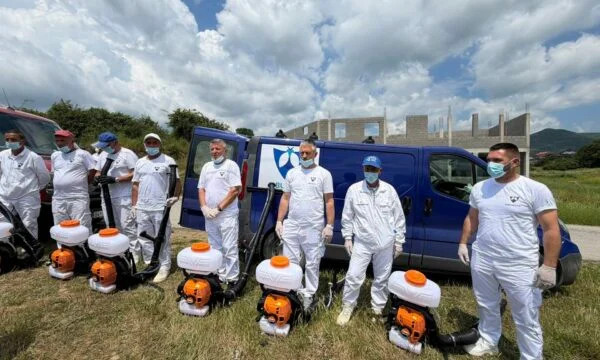
(a month ago)In Malisheva, the process of detection has begun in high-risk areas by Crimean-Congo Hemorral Ethet (EHKK), under a multi-year project to protect public health and reduce risk from this disease.
The project is financed by the Ministry of Agriculture, Forestry and Rural Development at 971,100 euros for the period 2025-2028 and envisions the treatment of some 5,200 hectares annually in the most exposed areas.
According to the ministry, activities will focus on Malisheve's stillmic municipalities, Kline, Rahovec, Suhareka and Drenas, aimed at controlling and reducing the spread of EHKK carriers.
Approval preparations and safe methods will be used during the project's implementation, while activities are being conducted in co-ordination with the Kosovo National Public Health Institute, relevant municipalities and field experts.
Full communication:
Media Communication
Malisheve May 24, 2026,
Launching design in stiller areas: Muja says we are investing over 971 thousand euros in public health protection
Agriculture, Forestry and Rural Development Minister Armendi Muja saw closely the launch of the design process in high-risk areas from Crimean-Congo (EHKK), under the multi-year project to protect public health and reduce risk from this disease.
This project is funded by the MBPZHR, worth 971,100 euros for the period 2025%2028, and envisions treatment of some 5,200 hectares annually in the most vulnerable areas.
The design activities will focus particularly on the existing municipalities: Malisheve, Kline, Rahovec, Suhareka and Drenas, aiming to control and reduce the spread of EHKK carriers.
During the implementation of the project, only approved preparations and safe methods will be used, in line with professional standards and environmental protection.
The project is being realised in close co-ordination with the Kosovo National Public Health Institute (IKSHPK), relevant municipalities and professional field experts.
In this case, Minister Armend Muja stressed the importance of early intervention and institutional co-ordination for the protection of citizens.
“Public health protection and EHKK risk prevention remain the priority of our institutions. Through this project we are taking concrete, professional and long-term actions to protect citizens and reduce the risk in the most affected areas, the Minister Muja said.
The main aim of the project is to reduce the risk from the EHKK and create a safer environment for citizens in affected areas.