16 minutes ago
“shut down all oil routes” - After Hormuz, Iran threatens the Strait of Bab el-Mandeb
Periskopi(3 months ago)
(3 months ago)The closure of the Hormuz Strait has caused chaos in the global oil trade, leading to increased prices and uncertainty about the future. Iran has refused to open its trade route without receiving compensation for the damage caused by war and is now threatening to block another important water artery, the Bab el-Mandeb Strait [...]
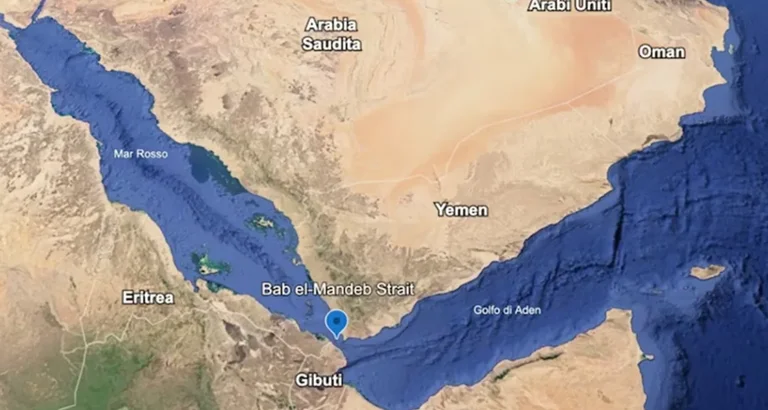
Iran has refused to open its trade route without receiving compensation for the damage caused by war and already threatens to block another important water artery, the Bab el-Mandeb Strait near the Arabian Peninsula.
Since the closure of the Strait of Hormuz, Saudi Arabia has sent millions of barrels of crude oil a day through Bab el Mandeb, connecting the Red Sea with the Gulf of Aden and the Arabian Sea
The 32km wide Strait is one of the most charged for global oil trade. A quarter of the global container trade also passes through Bab el Mandeb on its way to and from the Suez Canal.
There are growing concerns that the Huth rebels may begin attacking ships at the Red Sea now that they have joined the war. Such action would further sink the marine industry and the global economy.
Cutting off transit through Bab al-Madab forces shipping firms to run their ships around Cape Good Hope, as they did in 2024 and 2025, significantly increasing costs.
Huth said they would not allow the United States and Israel to use the Red Sea for attacks on Iran.
Yemen's militants are part of Iran's so-called “Country Resistance “, which includes militant groups in Lebanon, Iraq and Palestinian territories.
They control the Yamenas capital, Sana, and most of the country's north, and since 2014 they have fought a civil war against the internationally recognised government supported by a coalition led by Saudi Arabia.