9 hours ago
Constitutional amendments to the direct election of President
Periskopi(4 months ago)
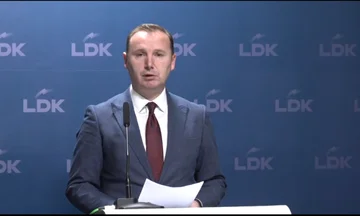
(4 months ago)Eugen Cakoli, from the Kosovo Democratic Institute, finds the possibility of constitutional changes for the election of the president difficult and inappropriate. He has explained the procedure, which needs to be followed for amendments to take effect, stressing that a double majority approval is needed for their adoption: Constitutional amendments regarding [...]
He has explained the procedure, which needs to be followed for amendments to take effect, stressing that a double majority approval is needed for their adoption:
Constitutional amendments to the way the president is elected have been handed over to the Constitutional Court in May 2012.
For these amendments, which are 11 sosh, the court had given its assessment in July of the year, the court had toppled 8 of its provisions, leaving the others in force.
This means that the procedure requiring the inclusion of the Constitutional Court, which is longer already closed.
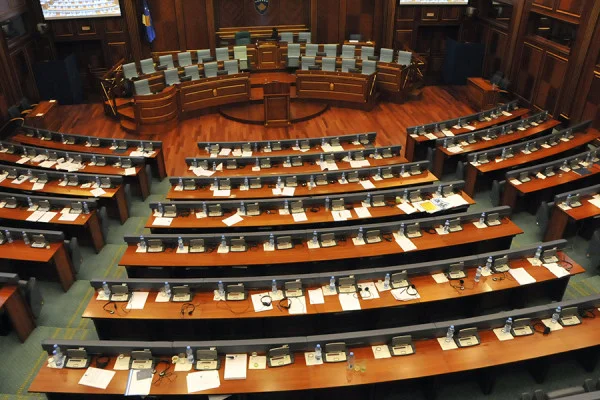
In this case, according to the Parliament's regulation, it needs the Commission for Legislation to submit within a week the recommendations for amendments to the plenary session.
The plenary session can already be called whenever the week's deadline has been consumed since the court has given a high assessment.
The amendments are voted separately and enter into force immediately after the moment in the Parliament vote.
In the present case, however, a new law should also be brought to the Assembly regulating the issue of electing the president. And the latter, to be approved, would take up to two or three months, unless there is a deviation from the deadlines for which 2/3 of the votes of the deputies present are needed.
In practical terms, this situation and the expiration of the deadline made it extremely difficult and equally inappropriate the possibility of constitutional changes and direct election of the president in case of failing to elect the current president from the Parliament.