3 hours ago
Will I shut up? NATO sky above Ukraine after incidents of intimidation?
Periskopi(9 months ago)
(9 months ago)Polish Foreign Minister Radoslaw Sikorski, believes Russia has lost “in the face of” that started with the intervention of drones in Poland on September 10th. In an interview given under the European Jalta Strategy Conference (YES) in Kiev, Sikorski voiced optimism about NATO's response and further developments, writes [...]
In an interview given under the European Jalta Strategy Conference (YES) in Kiev, Sikorski expressed optimism about NATO response and further developments, writes Kyiv Independent.
“I think Russia has lost this approach”, Sikorski said.
During the attack, Poland managed to bring down only three or four of the 19 fears that entered its airspace, one of which fell some 400 miles [400 km] west of the Ukrainian border.
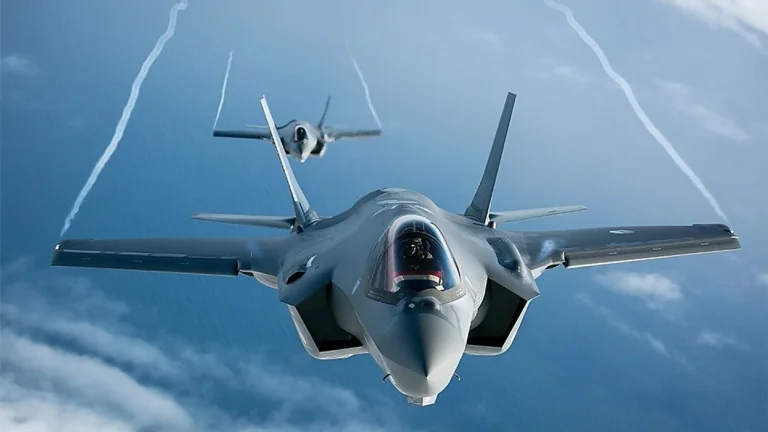
The incident forced NATO allies to secure fighter planes worth millions of dollars to counter fears worth thousands of dollars.
Varshava officially requested consultations under Article 4 of the NATO treaty after the attack, which allows members to discuss when they feel their security is threatened, broadcast the telegraph.
This step, however, does not activate Article 5, which treats an attack on a member as an attack on everyone.
On September 12, NATO announced a new preventative operation called the “Eastern Head”, but Sikorski explained why Russia did not retaliate: “Because there were only small material damage and no one was killed”.
Some media speculate that the trajectory of some of the drones was toward Rzeszow, the main airport through which the equipment for Ukraine is passed. Our first task is to protect that center from sabotaging, spying and Russian kinetic attacks. ”
The Polish minister believes the Russian attack was an attempt to test NATO's defence and determination on the east wing.
While describing the Polish response as successful, he acknowledged that his country should be better prepared for future attacks.
The threat was confirmed just hours after the interview, when a Russian drone entered Romanian airspace.
Ukraine has offered to help Poland strengthen its electronic war and drone surveillance capabilities, using cheaper equipment to crash aircraft without a pilot.
The Polish Defence Ministry confirmed on 12 September that experts from the two countries will practice the use of anti-drina systems on Polish territory.
Sikorski confirmed that following the attack on Poland, the idea of closing down a section of Ukrainian airspace using air defences stationed in NATO countries could be reviewed.
Ukrainian Foreign Affairs Minister Andrij Sılga confirmed that.
“I think that by his actions, Putin may have advanced this idea because we manage our space together, and opinion is moving towards this idea”, he said.
Despite everything, Sikorski believes NATO has shown unity and readiness.
I believe that we showed Russia that NATO is ready and united”, he concluded.
Sikorski supported Trump's request to end Russian energy imports, criticising Hungary, but was more cautious about the issue of tariffs for China.
We must sanction the aggressor. And the aggressor is the Russian Federation. We've introduced 18 sanctions packages to Europe. We are working on the 19th package”, Sikorski said.
What would heaven's closure mean?
When people talk about “closing the sky” from NATO, they mean introducing a no-fly zone over a certain area.
In practice, this meant that NATO would deploy air protections and fighter planes to prevent aircraft, missiles or enemy drones from entering that airspace.
If a flying vehicle were to enter, it would fall.
In the context of Ukraine, the closure of the sky meant that NATO would take over part of Ukrainian airspace, using air defence systems deployed in NATO member states (e.g. Poland, Slovakia, or Romania), which would further protect Ukraine from Russian missile attacks and fears. /Periscopi/