4 hours ago
Scientists reveal “secretion” of the oldest woman's life span in the world
Periskopi(9 months ago)
(9 months ago)When an interview of over a centenarian, someone who is older than 110, he is inevitably asked to share his advice on life expectancy. What if their secret could be studied scientifically? What their genome can tell us about aging and why they avoid diseases that [...]
What if their secret could be studied scientifically? What can their genome tell us about aging, and why do they avoid diseases that affect so many others? If any secrets are discovered, can they help others to live just as long?
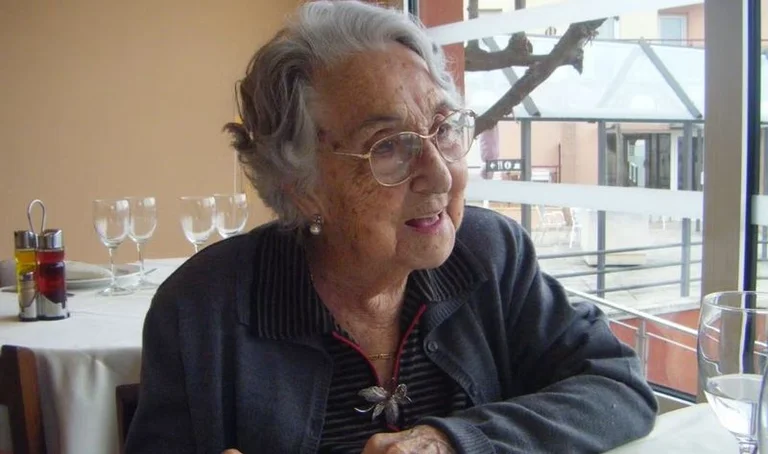
Such questions are the focus of a recent paper published on Wednesday in Cell Reports Medicine, which investigated the genome of Maria Branyas Morera, a US-born Spanish woman who died in August 2024 at the age of 117 and 168 days, shortly after becoming the oldest person in the world.
She was a very generous person, trying to help, so it was really nice working with her”, she said about CNN Dr. Manel Estelleller, a researcher at the Leuke Research Institute for Josep Carreras in Barcelona, Spain, who is coauthor of the study.
Esteler and the research team took samples from blood, saliva, urine and Branyas shit before examining her genome and comparing it with those belonging to 75 other Iberian women.
In general, they concluded that Branyas lived so long because he gained genetic technology and lived a healthy life - style. She possessed genes that protected her from common diseases associated with age and pursued a healthy lifestyle and diet.
“She was a lucky person from the beginning and got an extra plus during her lifetime”, Esteler said, attributing about half of Branya's life expectancy to her genetics and about half her lifestyle.
She never smoked, never drank alcohol, liked to work until she could... lived in the village, had moderate exercise (mostly walking an hour a day)... There was a diet that included olive oil, Mediterranean style, and, in its case, Kos”, he told CNN.
If there was a bit unusual thing about Branya's lifestyle, it could be her consumption of yogurt, as she ate three servings a day.
Researchers speculated that along with the rest of her diet, this habit kept microbiotics similar to that of a much younger person and lowered levels of inflammation.
However, Branya's love for yogurt did not necessarily cause its overall physical state “and the microbeoma of its uterine “probably reflects that it is actually a very good resource of all these microbes due to all other factors that are good for her body”, said Claire Steves, a professor of aging at King Selvelle Lodon, who was not involved in the study.
In addition to the excessive consumption of yogurt, Branyas possessed different generation variations that helped him to grow old healthy. Some of what the research team identified included a gene linked to immune function and the preservation of cognitive data, a gene that affects the efficiency of body fat metabolism and another gene linked to brain health and heart disease during aging.
“Nivel of details in this work is extraordinary”, Steves told CNN.
“They have gone very deep and managed to assess a wide range of different biological aging mechanisms... According to me, this is the first document that has done this with so much detail”, she said, adding that future studies should see if the findings are repeated in the other super-ordives.
Steves, like researchers himself, warned against drawing broad conclusions from this study, which focuses on one person because the aging process is different for all.