3 hours ago
Scientists claim that a million-year-old skull rewrites human evolution
Periskopi(9 months ago)
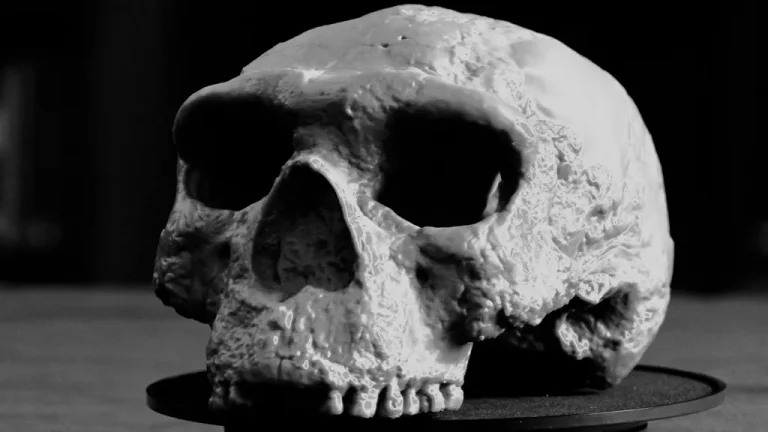
(9 months ago)A million-year-old human skull found in China suggests that our species, Homo sapiens, began to appear at least half a million years ago than we thought, claims researchers in a new study, reports the BBC, broadcast Periscope. It also shows that we co-existed with other sister species, including Neanderthals, for much more [...]
He also shows that we co-existed with other sister species, including Neanderthals, for much longer than we started to believe, they say.
Scientists Claim Their Analysis " besueshme,="" data-placeholder="Translation" data-ved="2ahUKEwjRqd_Js_aPAxW7HhAIHabgJqcQ3ewLegQIDhAV" dhe,="" dir="ltr" do="" e="" ekspertë="" evolucionin="" fushë="" hershëm="" historinë="" id="tw-target-text" janë="" kapitull="" ku="" kuptimin="" kyç="" larg="" mbi="" me="" mosmarrëveshjet="" ndryshon="" njerëzor="" një="" në="" nëse="" planet="" plotësisht"="" por="" për="" përfundimet="" përhapura,="" qenit="" ri="" rishkruante="" role="text" saktë,="" se="" shfaqjen="" siguri="" sigurta."="" studimit="" tabindex="-1" thonë="" tjerë="" tonë="" tonë.="" të="" është="">A million-year-old human skull found in China suggests that our species, Homo sapiens, began to appear at least half a million years ago than we thought, claims researchers in a new study, reports BBC, broadcast Periscope.
<p aria-label="Translated text: A million-year-old human skull found in China suggests that our species, Homo sapiens, began to appear at least half a million years ago than we thought, claims researchers in a new study.He also shows that we co-existed with other sister species, including Neanderthals, for much longer than we started to believe, they say.
Scientists Claim Their Analysis " besueshme,="" data-placeholder="Translation" data-ved="2ahUKEwjRqd_Js_aPAxW7HhAIHabgJqcQ3ewLegQIDhAV" dhe,="" dir="ltr" do="" e="" ekspertë="" evolucionin="" fushë="" hershëm="" historinë="" janë="" kapitull="" ku="" kuptimin="" kyç="" larg="" mbi="" me="" mosmarrëveshjet="" ndryshon="" njerëzor="" një="" në="" nëse="" planet="" plotësisht"="" por="" për="" përfundimet="" përhapura,="" qenit="" ri="" rishkruante="" role="text" saktë,="" se="" shfaqjen="" siguri="" sigurta."="" studimit="" tabindex="-1" thonë="" tjerë="" tonë="" tonë.="" të="" është="">He also shows that we co-existed with other sister species, including Neanderthals, for much longer than we started to believe, they say.
He also shows that we co-existed with other sister species, including Neanderthals, for much longer than we started to believe, they say.
Scientists Claim Their Analysis " besueshme,="" data-placeholder="Translation" data-ved="2ahUKEwjRqd_Js_aPAxW7HhAIHabgJqcQ3ewLegQIDhAV" dhe,="" dir="ltr" do="" e="" ekspertë="" evolucionin="" fushë="" hershëm="" historinë="" janë="" kapitull="" ku="" kuptimin="" kyç="" larg="" mbi="" me="" mosmarrëveshjet="" ndryshon="" njerëzor="" një="" në="" nëse="" planet="" plotësisht"="" por="" për="" përfundimet="" përhapura,="" qenit="" ri="" rishkruante="" role="text" saktë,="" se="" shfaqjen="" siguri="" sigurta."="" studimit="" tabindex="-1" thonë="" tjerë="" tonë="" tonë.="" të="" është="">Scientists claim that their analysis “completely changes” our understanding of human evolution and, if accurate, would surely rewrite a key early chapter in our history.
<p aria-label="Translated text: A million-year-old human skull found in China suggests that our species, Homo sapiens, began to appear at least half a million years ago than we thought, claims researchers in a new study.He also shows that we co-existed with other sister species, including Neanderthals, for much longer than we started to believe, they say.
Scientists Claim Their Analysis " besueshme,="" data-placeholder="Translation" data-ved="2ahUKEwjRqd_Js_aPAxW7HhAIHabgJqcQ3ewLegQIDhAV" dhe,="" dir="ltr" do="" e="" ekspertë="" evolucionin="" fushë="" hershëm="" historinë="" janë="" kapitull="" ku="" kuptimin="" kyç="" larg="" mbi="" me="" mosmarrëveshjet="" ndryshon="" njerëzor="" një="" në="" nëse="" planet="" plotësisht"="" por="" për="" përfundimet="" përhapura,="" qenit="" ri="" rishkruante="" role="text" saktë,="" se="" shfaqjen="" siguri="" sigurta."="" studimit="" tabindex="-1" thonë="" tjerë="" tonë="" tonë.="" të="" është="">But other experts in a field where disputes over our appearance on the planet are widespread, say the findings of the new study are reliable, but far from being safe.
<p "por="" analizën.="" aria-label="Translated text: The discovery, published in the leading scientific magazine Science, shocked the research team, which included scientists from a university in China and the United Kingdom Museum of Natural History." atë="" bashkëdrejtoi="" cili="" data-placeholder="Translation" data-ved="2ahUKEwjRqd_Js_aPAxW7HhAIHabgJqcQ3ewLegQIDhAV" dhe="" dir="ltr" e="" emocionuar.""="" fakt="" fillimi,="" fudan,="" gjitha="" i="" id="tw-target-text" ishte="" jemi="" jetë="" kaluarën?"="" kaq="" kur="" menduam="" metodat="" modelet,="" morëm="" mund="" ne="" nga="" ni="" në="" pabesueshme.="" prof="" për="" përdorur="" përsëri="" që="" rezultatin="" rezultatin,="" role="text" se="" shumë="" si="" sigurt="" tabindex="-1" tani="" testuam="" testuar="" tha="" thellë="" të="" universitetit="" xijun="">The discovery, published in the leading scientific magazine Science, shocked the research team, which included scientists from a university in China and the United Kingdom Museum of Natural History.
<p "por="" analizën.="" aria-label="Translated text: The discovery, published in the leading scientific magazine Science, shocked the research team, which included scientists from a university in China and the United Kingdom Museum of Natural History." atë="" bashkëdrejtoi="" cili="" data-placeholder="Translation" data-ved="2ahUKEwjRqd_Js_aPAxW7HhAIHabgJqcQ3ewLegQIDhAV" dhe="" dir="ltr" e="" emocionuar.""="" fakt="" fillimi,="" fudan,="" gjitha="" i="" ishte="" jemi="" jetë="" kaluarën?"="" kaq="" kur="" menduam="" metodat="" modelet,="" morëm="" mund="" ne="" nga="" ni="" në="" pabesueshme.="" prof="" për="" përdorur="" përsëri="" që="" rezultatin="" rezultatin,="" role="text" se="" shumë="" si="" sigurt="" tabindex="-1" tani="" testuam="" testuar="" tha="" thellë="" të="" universitetit="" xijun="">When we got the score, we thought it was incredible. How could it be so deep in the past?
" atë="" bashkëdrejtoi="" cili="" data-placeholder="Translation" data-ved="2ahUKEwjRqd_Js_aPAxW7HhAIHabgJqcQ3ewLegQIDhAV" dhe="" dir="ltr" e="" emocionuar.""="" fakt="" fillimi,="" fudan,="" gjitha="" i="" ishte="" jemi="" jetë="" kaluarën?"="" kaq="" kur="" menduam="" metodat="" modelet,="" morëm="" mund="" ne="" nga="" ni="" në="" pabesueshme.="" prof="" për="" përdorur="" përsëri="" që="" rezultatin="" rezultatin,="" role="text" se="" shumë="" si="" sigurt="" tabindex="-1" tani="" testuam="" testuar="" tha="" thellë="" të="" universitetit="" xijun="">But we tested it again and again to test all the models, to use all the methods and now we're sure of the result and we're actually very excited. ”
<p aria-label="Translated text: When scientists found the skull, called Yunxian 2, they assumed it belonged to an earlier ancestor of the tone, Homo erectus, the first people with great brains. That was because it was dated about a million years ago, long before more advanced people were thought to have emerged.Homo erectus eventually evolved and began to divide 600,000 years ago in Neanderthals and our species - Homo sapiens.
But the new analysis of Yunxian 2, which has been examined by experts independent of the research team, suggests it is not Homo erectus.
It is now thought to be an early version of Homo longitude, a sister species at a level similar to the Neanderthals and Homo sapiens.
Genetic evidence suggests it existed with them, so if Yunxian 2 walked on Earth a million years ago, scientists, early versions of Neanderthals and our species may also have walked.
This shocking analysis has dramatically shifted the evolutionary timeline of people with large brains by at least half a million years, according to Prof. Chris Stinger of the Natural History Museum, a fellow research leader.
He said there's probably a million-year-old Homo sapien fossil somewhere on our planet -- we just haven't found them yet." data-placeholder="Translation" data-ved="2ahUKEwjRqd_Js_aPAxW7HhAIHabgJqcQ3ewLegQIDhAV" dir="ltr" id="tw-target-text" role="text" tabindex="-1">When scientists found the skull, called Yunxian 2, they assumed it belonged to an earlier ancestor of the tone, Homo erectus, the first people with great brains.
<p aria-label="Translated text: When scientists found the skull, called Yunxian 2, they assumed it belonged to an earlier ancestor of the tone, Homo erectus, the first people with great brains. That was because it was dated about a million years ago, long before more advanced people were thought to have emerged.Homo erectus eventually evolved and began to divide 600,000 years ago in Neanderthals and our species - Homo sapiens.
But the new analysis of Yunxian 2, which has been examined by experts independent of the research team, suggests it is not Homo erectus.
It is now thought to be an early version of Homo longitude, a sister species at a level similar to the Neanderthals and Homo sapiens.
Genetic evidence suggests it existed with them, so if Yunxian 2 walked on Earth a million years ago, scientists, early versions of Neanderthals and our species may also have walked.
This shocking analysis has dramatically shifted the evolutionary timeline of people with large brains by at least half a million years, according to Prof. Chris Stinger of the Natural History Museum, a fellow research leader.
He said there's probably a million-year-old Homo sapien fossil somewhere on our planet -- we just haven't found them yet." data-placeholder="Translation" data-ved="2ahUKEwjRqd_Js_aPAxW7HhAIHabgJqcQ3ewLegQIDhAV" dir="ltr" role="text" tabindex="-1">That was because it was dated about a million years ago, long before more advanced people were thought to have emerged. Homo erectus eventually evolved and began to divide 600,000 years ago in Neanderthals and our species, Homo sapiens.
<p aria-label="Translated text: When scientists found the skull, called Yunxian 2, they assumed it belonged to an earlier ancestor of the tone, Homo erectus, the first people with great brains. That was because it was dated about a million years ago, long before more advanced people were thought to have emerged.Homo erectus eventually evolved and began to divide 600,000 years ago in Neanderthals and our species - Homo sapiens.
But the new analysis of Yunxian 2, which has been examined by experts independent of the research team, suggests it is not Homo erectus.
It is now thought to be an early version of Homo longitude, a sister species at a level similar to the Neanderthals and Homo sapiens.
Genetic evidence suggests it existed with them, so if Yunxian 2 walked on Earth a million years ago, scientists, early versions of Neanderthals and our species may also have walked.
This shocking analysis has dramatically shifted the evolutionary timeline of people with large brains by at least half a million years, according to Prof. Chris Stinger of the Natural History Museum, a fellow research leader.
He said there's probably a million-year-old Homo sapien fossil somewhere on our planet -- we just haven't found them yet." data-placeholder="Translation" data-ved="2ahUKEwjRqd_Js_aPAxW7HhAIHabgJqcQ3ewLegQIDhAV" dir="ltr" role="text" tabindex="-1">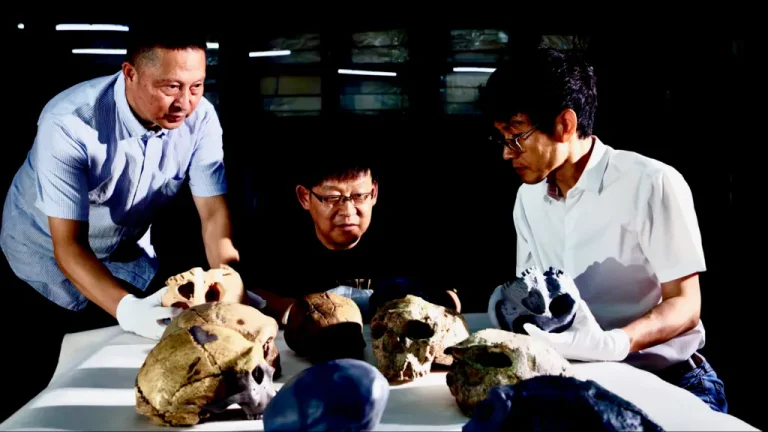
Homo erectus eventually evolved and began to divide 600,000 years ago in Neanderthals and our species - Homo sapiens.
But the new analysis of Yunxian 2, which has been examined by experts independent of the research team, suggests it is not Homo erectus.
It is now thought to be an early version of Homo longitude, a sister species at a level similar to the Neanderthals and Homo sapiens.
Genetic evidence suggests it existed with them, so if Yunxian 2 walked on Earth a million years ago, scientists, early versions of Neanderthals and our species may also have walked.
This shocking analysis has dramatically shifted the evolutionary timeline of people with large brains by at least half a million years, according to Prof. Chris Stinger of the Natural History Museum, a fellow research leader.
He said there's probably a million-year-old Homo sapien fossil somewhere on our planet -- we just haven't found them yet." data-placeholder="Translation" data-ved="2ahUKEwjRqd_Js_aPAxW7HhAIHabgJqcQ3ewLegQIDhAV" dir="ltr" role="text" tabindex="-1">But the new analysis of Yunxian 2, which has been examined by experts independent of the research team, suggests it is not Homo erectus.
<p aria-label="Translated text: When scientists found the skull, called Yunxian 2, they assumed it belonged to an earlier ancestor of the tone, Homo erectus, the first people with great brains. That was because it was dated about a million years ago, long before more advanced people were thought to have emerged.Homo erectus eventually evolved and began to divide 600,000 years ago in Neanderthals and our species - Homo sapiens.
But the new analysis of Yunxian 2, which has been examined by experts independent of the research team, suggests it is not Homo erectus.
It is now thought to be an early version of Homo longitude, a sister species at a level similar to the Neanderthals and Homo sapiens.
Genetic evidence suggests it existed with them, so if Yunxian 2 walked on Earth a million years ago, scientists, early versions of Neanderthals and our species may also have walked.
This shocking analysis has dramatically shifted the evolutionary timeline of people with large brains by at least half a million years, according to Prof. Chris Stinger of the Natural History Museum, a fellow research leader.
He said there's probably a million-year-old Homo sapien fossil somewhere on our planet -- we just haven't found them yet." data-placeholder="Translation" data-ved="2ahUKEwjRqd_Js_aPAxW7HhAIHabgJqcQ3ewLegQIDhAV" dir="ltr" role="text" tabindex="-1">It is now thought to be an early version of Homo longitude, a sister species at a level similar to the Neanderthals and Homo sapiens.
<p aria-label="Translated text: When scientists found the skull, called Yunxian 2, they assumed it belonged to an earlier ancestor of the tone, Homo erectus, the first people with great brains. That was because it was dated about a million years ago, long before more advanced people were thought to have emerged.Homo erectus eventually evolved and began to divide 600,000 years ago in Neanderthals and our species - Homo sapiens.
But the new analysis of Yunxian 2, which has been examined by experts independent of the research team, suggests it is not Homo erectus.
It is now thought to be an early version of Homo longitude, a sister species at a level similar to the Neanderthals and Homo sapiens.
Genetic evidence suggests it existed with them, so if Yunxian 2 walked on Earth a million years ago, scientists, early versions of Neanderthals and our species may also have walked.
This shocking analysis has dramatically shifted the evolutionary timeline of people with large brains by at least half a million years, according to Prof. Chris Stinger of the Natural History Museum, a fellow research leader.
He said there's probably a million-year-old Homo sapien fossil somewhere on our planet -- we just haven't found them yet." data-placeholder="Translation" data-ved="2ahUKEwjRqd_Js_aPAxW7HhAIHabgJqcQ3ewLegQIDhAV" dir="ltr" role="text" tabindex="-1">Genetic evidence suggests it existed with them, so if Yunxian 2 walked on Earth a million years ago, scientists, early versions of Neanderthals and our species may also have walked.
<p aria-label="Translated text: When scientists found the skull, called Yunxian 2, they assumed it belonged to an earlier ancestor of the tone, Homo erectus, the first people with great brains. That was because it was dated about a million years ago, long before more advanced people were thought to have emerged.Homo erectus eventually evolved and began to divide 600,000 years ago in Neanderthals and our species - Homo sapiens.
But the new analysis of Yunxian 2, which has been examined by experts independent of the research team, suggests it is not Homo erectus.
It is now thought to be an early version of Homo longitude, a sister species at a level similar to the Neanderthals and Homo sapiens.
Genetic evidence suggests it existed with them, so if Yunxian 2 walked on Earth a million years ago, scientists, early versions of Neanderthals and our species may also have walked.
This shocking analysis has dramatically shifted the evolutionary timeline of people with large brains by at least half a million years, according to Prof. Chris Stinger of the Natural History Museum, a fellow research leader.
He said there's probably a million-year-old Homo sapien fossil somewhere on our planet -- we just haven't found them yet." data-placeholder="Translation" data-ved="2ahUKEwjRqd_Js_aPAxW7HhAIHabgJqcQ3ewLegQIDhAV" dir="ltr" role="text" tabindex="-1">This shocking analysis has dramatically shifted the evolutionary timeline of people with large brains by at least half a million years, according to Prof. Chris Stinger of the Natural History Museum, a fellow research leader. He said there's probably a million-year-old Homo sapien fossil somewhere on our planet we just haven't found them yet.
But other scholars, such as Dr. Aylyn Scally, an evolutionary geneticist at Cambridge University, says there is considerable uncertainty in both methods.
" ato="" atëherë="" bashkëjetuar="" bbc="" besueshme,="" brenda="" bërë,="" data-placeholder="Translation" data-ved="2ahUKEwjRqd_Js_aPAxW7HhAIHabgJqcQ3ewLegQIDhAV" dhe="" dhëna="" dhënave="" dir="ltr" disa="" do="" duhet="" e="" edhe="" ende="" fillonim="" fosile,"="" gjenetike="" gjenetike,="" gjithnjë="" hulumtimi="" i="" id="tw-target-text" idealisht="" ishim="" ishin="" janë="" jesh="" kenë="" kohë="" kohës,="" kujdesshëm="" kur="" kështu="" këtij="" këto="" këtë",="" larg="" lidhje="" madhe="" mbështeten="" me="" mendoj="" mjaft="" mund="" më="" ndërsa="" ne,="" nevojiteshin="" news."="" nga="" ni="" një="" në="" nëse="" ose="" pamje="" paqartë="" pavarësisht="" po="" popullata="" profesorëve="" prova="" provash="" për="" përcaktosh="" përfundimet="" qenit="" qenë="" qofshin="" që="" role="text" sasinë="" se="" sepse="" shikoni,="" shtoi="" shumë="" shumë."="" sigurt="" sigurt.="" sigurta="" stringer="" t'u="" tabindex="-1" tha="" tjera,="" të="" veçanërisht="" viteve,="" vlerësimet="" vështira="" vështirë="" çfarë="" është="">There are two ways to accurately define the species of an early man and determine when he walked to Earth, analyzing the shape of his skull and genetic data. In the case of Yunxian 2 both methods were used and each reached the same conclusion.
<p "edhe="" "kjo="" 100,000="" ai="" ai.="" analiza="" apo="" aria-label="Translated text: There are two ways to pinpoint the species of an early man and determine when he walked on Earth - by analyzing the shape of his skull and genetic data. In the case of Yunxian 2 both methods were used and each reached the same conclusion.But other scholars, such as Dr. Aylyn Scally, an evolutionary geneticist at Cambridge University, says there is considerable uncertainty in both methods.
" ato="" atëherë="" bashkëjetuar="" bbc="" besueshme,="" brenda="" bërë,="" data-placeholder="Translation" data-ved="2ahUKEwjRqd_Js_aPAxW7HhAIHabgJqcQ3ewLegQIDhAV" dhe="" dhëna="" dhënave="" dir="ltr" disa="" do="" duhet="" e="" edhe="" ende="" fillonim="" fosile,"="" gjenetike="" gjenetike,="" gjithnjë="" hulumtimi="" i="" idealisht="" ishim="" ishin="" janë="" jesh="" kenë="" kohë="" kohës,="" kujdesshëm="" kur="" kështu="" këtij="" këto="" këtë",="" larg="" lidhje="" madhe="" mbështeten="" me="" mendoj="" mjaft="" mund="" më="" ndërsa="" ne,="" nevojiteshin="" news."="" nga="" ni="" një="" në="" nëse="" ose="" pamje="" paqartë="" pavarësisht="" po="" popullata="" profesorëve="" prova="" provash="" për="" përcaktosh="" përfundimet="" qenit="" qenë="" qofshin="" që="" role="text" sasinë="" se="" sepse="" shikoni,="" shtoi="" shumë="" shumë."="" sigurt="" sigurt.="" sigurta="" stringer="" t'u="" tabindex="-1" tha="" tjera,="" të="" veçanërisht="" viteve,="" vlerësimet="" vështira="" vështirë="" çfarë="" është="">But other scholars, such as Dr. Aylyn Scally, an evolutionary geneticist at Cambridge University, says there is considerable uncertainty in both methods.
<p "edhe="" "kjo="" 100,000="" ai="" ai.="" analiza="" apo="" aria-label="Translated text: There are two ways to pinpoint the species of an early man and determine when he walked on Earth - by analyzing the shape of his skull and genetic data. In the case of Yunxian 2 both methods were used and each reached the same conclusion.But other scholars, such as Dr. Aylyn Scally, an evolutionary geneticist at Cambridge University, says there is considerable uncertainty in both methods.
" ato="" atëherë="" bashkëjetuar="" bbc="" besueshme,="" brenda="" bërë,="" data-placeholder="Translation" data-ved="2ahUKEwjRqd_Js_aPAxW7HhAIHabgJqcQ3ewLegQIDhAV" dhe="" dhëna="" dhënave="" dir="ltr" disa="" do="" duhet="" e="" edhe="" ende="" fillonim="" fosile,"="" gjenetike="" gjenetike,="" gjithnjë="" hulumtimi="" i="" idealisht="" ishim="" ishin="" janë="" jesh="" kenë="" kohë="" kohës,="" kujdesshëm="" kur="" kështu="" këtij="" këto="" këtë",="" larg="" lidhje="" madhe="" mbështeten="" me="" mendoj="" mjaft="" mund="" më="" ndërsa="" ne,="" nevojiteshin="" news."="" nga="" ni="" një="" në="" nëse="" ose="" pamje="" paqartë="" pavarësisht="" po="" popullata="" profesorëve="" prova="" provash="" për="" përcaktosh="" përfundimet="" qenit="" qenë="" qofshin="" që="" role="text" sasinë="" se="" sepse="" shikoni,="" shtoi="" shumë="" shumë."="" sigurt="" sigurt.="" sigurta="" stringer="" t'u="" tabindex="-1" tha="" tjera,="" të="" veçanërisht="" viteve,="" vlerësimet="" vështira="" vështirë="" çfarë="" është="">“You have to be especially careful about time assessments, because they are very difficult to do, no matter what evidence you're looking at, whether they're genetic or fossil evidence,” he said.
<p "edhe="" "kjo="" 100,000="" ai="" ai.="" analiza="" apo="" aria-label="Translated text: There are two ways to pinpoint the species of an early man and determine when he walked on Earth - by analyzing the shape of his skull and genetic data. In the case of Yunxian 2 both methods were used and each reached the same conclusion.But other scholars, such as Dr. Aylyn Scally, an evolutionary geneticist at Cambridge University, says there is considerable uncertainty in both methods.
" ato="" atëherë="" bashkëjetuar="" bbc="" besueshme,="" brenda="" bërë,="" data-placeholder="Translation" data-ved="2ahUKEwjRqd_Js_aPAxW7HhAIHabgJqcQ3ewLegQIDhAV" dhe="" dhëna="" dhënave="" dir="ltr" disa="" do="" duhet="" e="" edhe="" ende="" fillonim="" fosile,"="" gjenetike="" gjenetike,="" gjithnjë="" hulumtimi="" i="" idealisht="" ishim="" ishin="" janë="" jesh="" kenë="" kohë="" kohës,="" kujdesshëm="" kur="" kështu="" këtij="" këto="" këtë",="" larg="" lidhje="" madhe="" mbështeten="" me="" mendoj="" mjaft="" mund="" më="" ndërsa="" ne,="" nevojiteshin="" news."="" nga="" ni="" një="" në="" nëse="" ose="" pamje="" paqartë="" pavarësisht="" po="" popullata="" profesorëve="" prova="" provash="" për="" përcaktosh="" përfundimet="" qenit="" qenë="" qofshin="" që="" role="text" sasinë="" se="" sepse="" shikoni,="" shtoi="" shumë="" shumë."="" sigurt="" sigurt.="" sigurta="" stringer="" t'u="" tabindex="-1" tha="" tjera,="" të="" veçanërisht="" viteve,="" vlerësimet="" vështira="" vështirë="" çfarë="" është="">Even with the largest amount of genetic data, it is very difficult to determine a time when these populations may have cohabited within 100,000 years or even more. ”
But other scholars, such as Dr. Aylyn Scally, an evolutionary geneticist at Cambridge University, says there is considerable uncertainty in both methods.
" ato="" atëherë="" bashkëjetuar="" bbc="" besueshme,="" brenda="" bërë,="" data-placeholder="Translation" data-ved="2ahUKEwjRqd_Js_aPAxW7HhAIHabgJqcQ3ewLegQIDhAV" dhe="" dhëna="" dhënave="" dir="ltr" disa="" do="" duhet="" e="" edhe="" ende="" fillonim="" fosile,"="" gjenetike="" gjenetike,="" gjithnjë="" hulumtimi="" i="" idealisht="" ishim="" ishin="" janë="" jesh="" kenë="" kohë="" kohës,="" kujdesshëm="" kur="" kështu="" këtij="" këto="" këtë",="" larg="" lidhje="" madhe="" mbështeten="" me="" mendoj="" mjaft="" mund="" më="" ndërsa="" ne,="" nevojiteshin="" news."="" nga="" ni="" një="" në="" nëse="" ose="" pamje="" paqartë="" pavarësisht="" po="" popullata="" profesorëve="" prova="" provash="" për="" përcaktosh="" përfundimet="" qenit="" qenë="" qofshin="" që="" role="text" sasinë="" se="" sepse="" shikoni,="" shtoi="" shumë="" shumë."="" sigurt="" sigurt.="" sigurta="" stringer="" t'u="" tabindex="-1" tha="" tjera,="" të="" veçanërisht="" viteve,="" vlerësimet="" vështira="" vështirë="" çfarë="" është="">He added that while Professors Ni and Stringer's findings were reliable, they were far from safe and that more evidence was needed to be safe.
<p "edhe="" "kjo="" 100,000="" ai="" ai.="" analiza="" apo="" aria-label="Translated text: There are two ways to pinpoint the species of an early man and determine when he walked on Earth - by analyzing the shape of his skull and genetic data. In the case of Yunxian 2 both methods were used and each reached the same conclusion.But other scholars, such as Dr. Aylyn Scally, an evolutionary geneticist at Cambridge University, says there is considerable uncertainty in both methods.
" ato="" atëherë="" bashkëjetuar="" bbc="" besueshme,="" brenda="" bërë,="" data-placeholder="Translation" data-ved="2ahUKEwjRqd_Js_aPAxW7HhAIHabgJqcQ3ewLegQIDhAV" dhe="" dhëna="" dhënave="" dir="ltr" disa="" do="" duhet="" e="" edhe="" ende="" fillonim="" fosile,"="" gjenetike="" gjenetike,="" gjithnjë="" hulumtimi="" i="" idealisht="" ishim="" ishin="" janë="" jesh="" kenë="" kohë="" kohës,="" kujdesshëm="" kur="" kështu="" këtij="" këto="" këtë",="" larg="" lidhje="" madhe="" mbështeten="" me="" mendoj="" mjaft="" mund="" më="" ndërsa="" ne,="" nevojiteshin="" news."="" nga="" ni="" një="" në="" nëse="" ose="" pamje="" paqartë="" pavarësisht="" po="" popullata="" profesorëve="" prova="" provash="" për="" përcaktosh="" përfundimet="" qenit="" qenë="" qofshin="" që="" role="text" sasinë="" se="" sepse="" shikoni,="" shtoi="" shumë="" shumë."="" sigurt="" sigurt.="" sigurta="" stringer="" t'u="" tabindex="-1" tha="" tjera,="" të="" veçanërisht="" viteve,="" vlerësimet="" vështira="" vështirë="" çfarë="" është="">This view is still quite unclear for us, so if the findings of this research are backed up by other tests, ideally by some genetic data, then I think we would start to be more and more sure about this”, he said.
<p 800,000="" ai="" aria-label="Translated text: The earliest known evidence for early Homo sapiens in Africa dates back 300,000 years, so it is tempting to conclude that our species may have evolved first in Asia.But there is not enough evidence to be sure at this stage, according to Prof. Steringer, because there are human fossils in Africa and Europe that are also a million years old and that must be included in the analysis.
" atë="" bashkëjetuan="" bashkëvepruar="" bbc="" cilat="" data-placeholder="Translation" data-ved="2ahUKEwjRqd_Js_aPAxW7HhAIHabgJqcQ3ewLegQIDhAV" dhe="" dir="ltr" disa="" do="" duke="" e="" edhe="" ende",="" gjatë="" gjenetike="" hershme="" id="tw-target-text" jenë="" ka="" kjo="" kohë."="" kronologjia="" kryqëzuar="" me="" mendohej="" mund="" më="" ndoshta="" news.="" njerëzve="" nuk="" në="" parë,="" planet="" por="" prejardhjen="" prova="" provuar="" për="" që="" rikombinuar="" role="text" rreth="" sesa="" shfaqjen="" shumë="" speciet="" specieve="" tabindex="-1" tha="" thotë="" tona,="" tonë,="" tre="" tregojnë="" të="" vjet,="" është="">The earliest known evidence for early Homo sapiens in Africa dates back 300,000 years, so it is tempting to conclude that our species may have evolved first in Asia.
<p 800,000="" ai="" aria-label="Translated text: The earliest known evidence for early Homo sapiens in Africa dates back 300,000 years, so it is tempting to conclude that our species may have evolved first in Asia.But there is not enough evidence to be sure at this stage, according to Prof. Steringer, because there are human fossils in Africa and Europe that are also a million years old and that must be included in the analysis.
" atë="" bashkëjetuan="" bashkëvepruar="" bbc="" cilat="" data-placeholder="Translation" data-ved="2ahUKEwjRqd_Js_aPAxW7HhAIHabgJqcQ3ewLegQIDhAV" dhe="" dir="ltr" disa="" do="" duke="" e="" edhe="" ende",="" gjatë="" gjenetike="" hershme="" jenë="" ka="" kjo="" kohë."="" kronologjia="" kryqëzuar="" me="" mendohej="" mund="" më="" ndoshta="" news.="" njerëzve="" nuk="" në="" parë,="" planet="" por="" prejardhjen="" prova="" provuar="" për="" që="" rikombinuar="" role="text" rreth="" sesa="" shfaqjen="" shumë="" speciet="" specieve="" tabindex="-1" tha="" thotë="" tona,="" tonë,="" tre="" tregojnë="" të="" vjet,="" është="">But there is not enough evidence to be sure at this stage, according to Prof. Steringer, because there are human fossils in Africa and Europe that are also a million years old and that must be included in the analysis.
But there is not enough evidence to be sure at this stage, according to Prof. Steringer, because there are human fossils in Africa and Europe that are also a million years old and that must be included in the analysis.
" atë="" bashkëjetuan="" bashkëvepruar="" bbc="" cilat="" data-placeholder="Translation" data-ved="2ahUKEwjRqd_Js_aPAxW7HhAIHabgJqcQ3ewLegQIDhAV" dhe="" dir="ltr" disa="" do="" duke="" e="" edhe="" ende",="" gjatë="" gjenetike="" hershme="" jenë="" ka="" kjo="" kohë."="" kronologjia="" kryqëzuar="" me="" mendohej="" mund="" më="" ndoshta="" news.="" njerëzve="" nuk="" në="" parë,="" planet="" por="" prejardhjen="" prova="" provuar="" për="" që="" rikombinuar="" role="text" rreth="" sesa="" shfaqjen="" shumë="" speciet="" specieve="" tabindex="-1" tha="" thotë="" tona,="" tonë,="" tre="" tregojnë="" të="" vjet,="" është="">There is some genetic evidence that tells of even earlier manifestations of our species, which may have been recombined with our background, but this has not yet been proven”, he said.
<p 800,000="" ai="" aria-label="Translated text: The earliest known evidence for early Homo sapiens in Africa dates back 300,000 years, so it is tempting to conclude that our species may have evolved first in Asia.But there is not enough evidence to be sure at this stage, according to Prof. Steringer, because there are human fossils in Africa and Europe that are also a million years old and that must be included in the analysis.
" atë="" bashkëjetuan="" bashkëvepruar="" bbc="" cilat="" data-placeholder="Translation" data-ved="2ahUKEwjRqd_Js_aPAxW7HhAIHabgJqcQ3ewLegQIDhAV" dhe="" dir="ltr" disa="" do="" duke="" e="" edhe="" ende",="" gjatë="" gjenetike="" hershme="" jenë="" ka="" kjo="" kohë."="" kronologjia="" kryqëzuar="" me="" mendohej="" mund="" më="" ndoshta="" news.="" njerëzve="" nuk="" në="" parë,="" planet="" por="" prejardhjen="" prova="" provuar="" për="" që="" rikombinuar="" role="text" rreth="" sesa="" shfaqjen="" shumë="" speciet="" specieve="" tabindex="-1" tha="" thotë="" tona,="" tonë,="" tre="" tregojnë="" të="" vjet,="" është="">The earliest chronology means that the three species of people co-existed on the planet for about 800,000 years, much longer than previously thought, perhaps interacting and crucified at that time.
<p 800,000="" ai="" aria-label="Translated text: The earliest known evidence for early Homo sapiens in Africa dates back 300,000 years, so it is tempting to conclude that our species may have evolved first in Asia.But there is not enough evidence to be sure at this stage, according to Prof. Steringer, because there are human fossils in Africa and Europe that are also a million years old and that must be included in the analysis.
" atë="" bashkëjetuan="" bashkëvepruar="" bbc="" cilat="" data-placeholder="Translation" data-ved="2ahUKEwjRqd_Js_aPAxW7HhAIHabgJqcQ3ewLegQIDhAV" dhe="" dir="ltr" disa="" do="" duke="" e="" edhe="" ende",="" gjatë="" gjenetike="" hershme="" jenë="" ka="" kjo="" kohë."="" kronologjia="" kryqëzuar="" me="" mendohej="" mund="" më="" ndoshta="" news.="" njerëzve="" nuk="" në="" parë,="" planet="" por="" prejardhjen="" prova="" provuar="" për="" që="" rikombinuar="" role="text" rreth="" sesa="" shfaqjen="" shumë="" speciet="" specieve="" tabindex="-1" tha="" thotë="" tona,="" tonë,="" tre="" tregojnë="" të="" vjet,="" është="">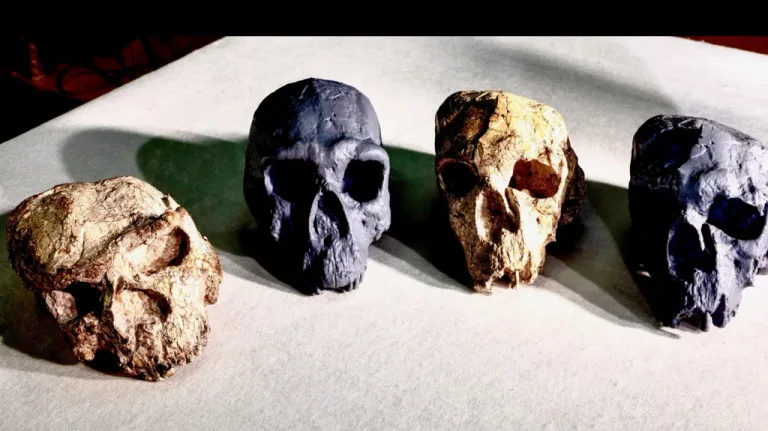
But the early showing of Homo sapiens, Homolong, and Neanderthals carefully solves the problem. This means that it is now possible to group hard-to-class fossils as sub-groups belonging to one of the “tre large”, or their most primitive ancestors, the Asian emo erectus and heidebergensis, according to Prof Ni.
The human evolution is like a tree,” he said.
This tree included several branches, and it had three main branches that are closely bound, and they could have a combination with each other, and they cohabited for almost a million years. So this is an incredible result. ”
To restore them to their original form, the Prof team. Ni's scan skulls and untempered them using computer modeling techniques and then printed copies on a 3D printer.
Viewing them as they really were, scientists enabled them to rescript them as a special group - more advanced people." data-placeholder="Translation" data-ved="2ahUKEwjRqd_Js_aPAxW7HhAIHabgJqcQ3ewLegQIDhAV" dir="ltr" id="tw-target-text" role="text" tabindex="-1">The skull was dug along with two others from Provenca Hubei. But they were damaged and printed, which is one of the reasons why Yunxian 2 was wrongly classified as erectus.
To restore them to their original form, the Prof team. Ni's scan skulls and untempered them using computer modeling techniques and then printed copies on a 3D printer.
Viewing them as they really were, scientists enabled them to rescript them as a special group - more advanced people." data-placeholder="Translation" data-ved="2ahUKEwjRqd_Js_aPAxW7HhAIHabgJqcQ3ewLegQIDhAV" dir="ltr" role="text" tabindex="-1">To restore them to their original form, the Prof team.
<p aria-label="Translated text: The skull was dug along with two others from Provenca Hubei. But they were damaged and printed, which is one of the reasons why Yunxian 2 was wrongly classified as erectus.To restore them to their original form, the Prof team. Ni's scan skulls and untempered them using computer modeling techniques and then printed copies on a 3D printer.
Viewing them as they really were, scientists enabled them to rescript them as a special group - more advanced people." data-placeholder="Translation" data-ved="2ahUKEwjRqd_Js_aPAxW7HhAIHabgJqcQ3ewLegQIDhAV" dir="ltr" role="text" tabindex="-1">Ni's scan skulls and untempered them using computer modeling techniques and then printed copies on a 3D printer.
<p aria-label="Translated text: The skull was dug along with two others from Provenca Hubei. But they were damaged and printed, which is one of the reasons why Yunxian 2 was wrongly classified as erectus.To restore them to their original form, the Prof team. Ni's scan skulls and untempered them using computer modeling techniques and then printed copies on a 3D printer.
Viewing them as they really were, scientists enabled them to rescript them as a special group - more advanced people." data-placeholder="Translation" data-ved="2ahUKEwjRqd_Js_aPAxW7HhAIHabgJqcQ3ewLegQIDhAV" dir="ltr" role="text" tabindex="-1">Seeing them as they really were, scientists enabled them to rescript them as a special group of more advanced people./ P ERISCOPI/