4 hours ago
Inside Saudi Arabia's $22 billion subway
Periskopi(8 months ago)
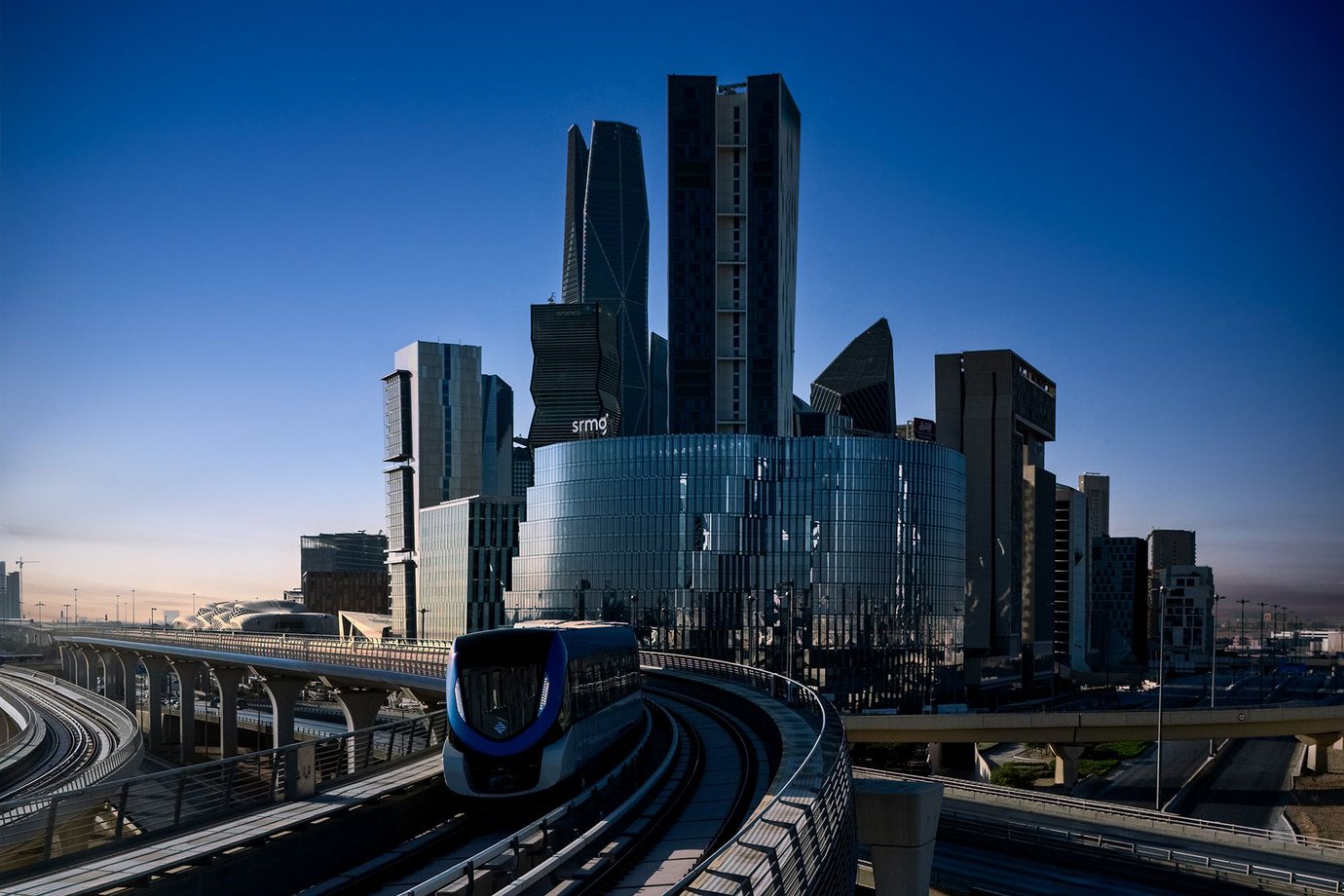
(8 months ago)Riyadh, capital of Saudi Arabia, has entered a new era of public transportation with the opening of the new, longest-ever automatic subway in the world without directors. The great project, costing over $22 billion, was inaugurated in December 2024 and includes six lines of total length of 176 miles [176 km], including [...]
The grand project, which cost over $22 billion, was inaugurated in December 2024 and includes six lines of total length of 176 miles, connecting the city's most important points, from King Khalid International Airport to the King Abdullah (KAFD) financial district.
Negotiating Stations
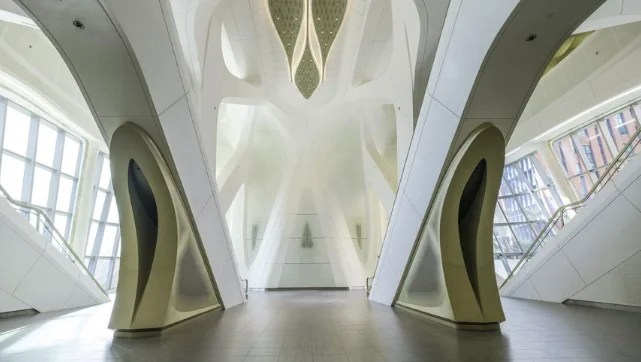
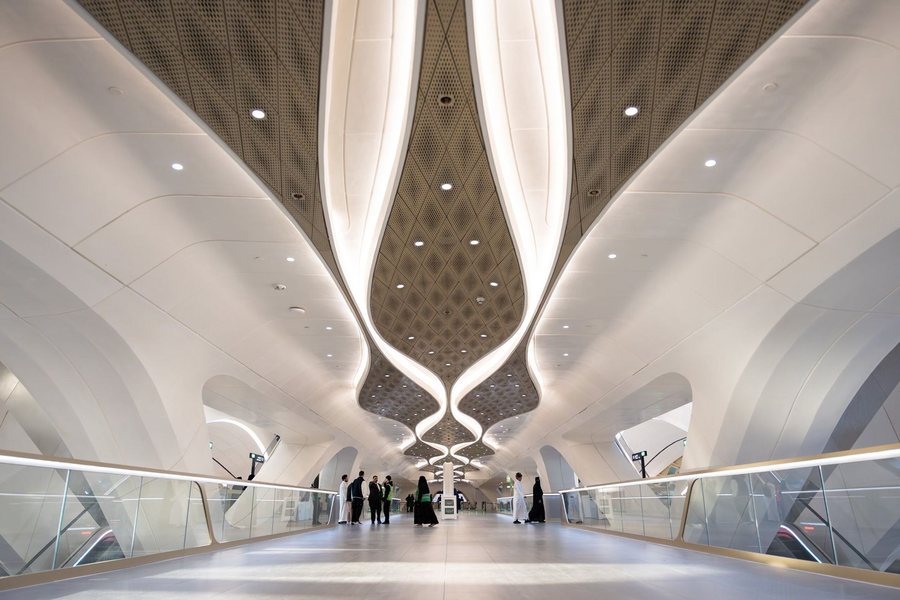
Riyadh Metro has 85 stations, some of them have already turned into tourist attractions thanks to their architecture, follows A2 CNN. One of the most prominent is Qasr Al Hawk, designed by the Norwegian firm Snéhetta. This giant station, with seven floors underground, 17 elevators, 46 step steps, and a curved steel dome reflecting outward appearance, also provides space for shops, art exhibitions and an inner garden.
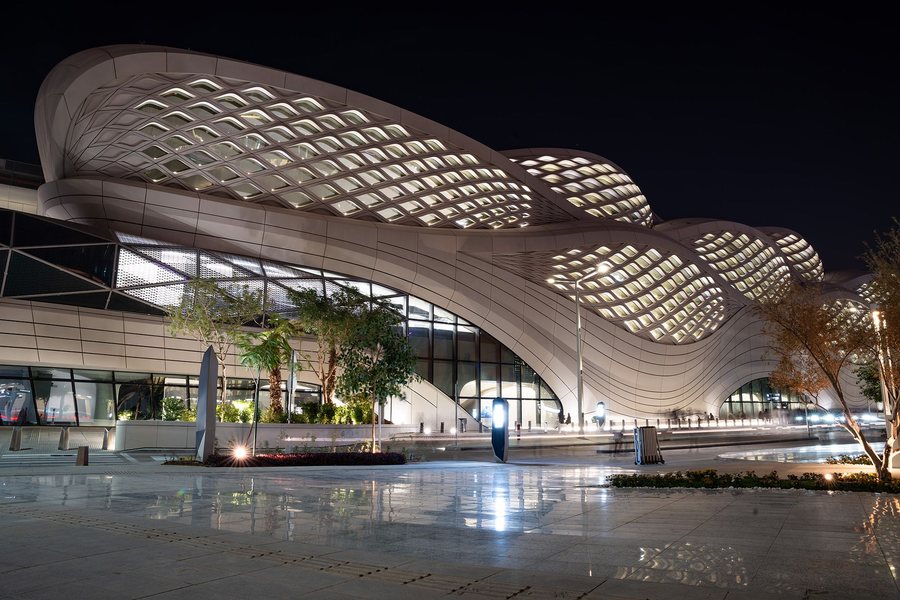
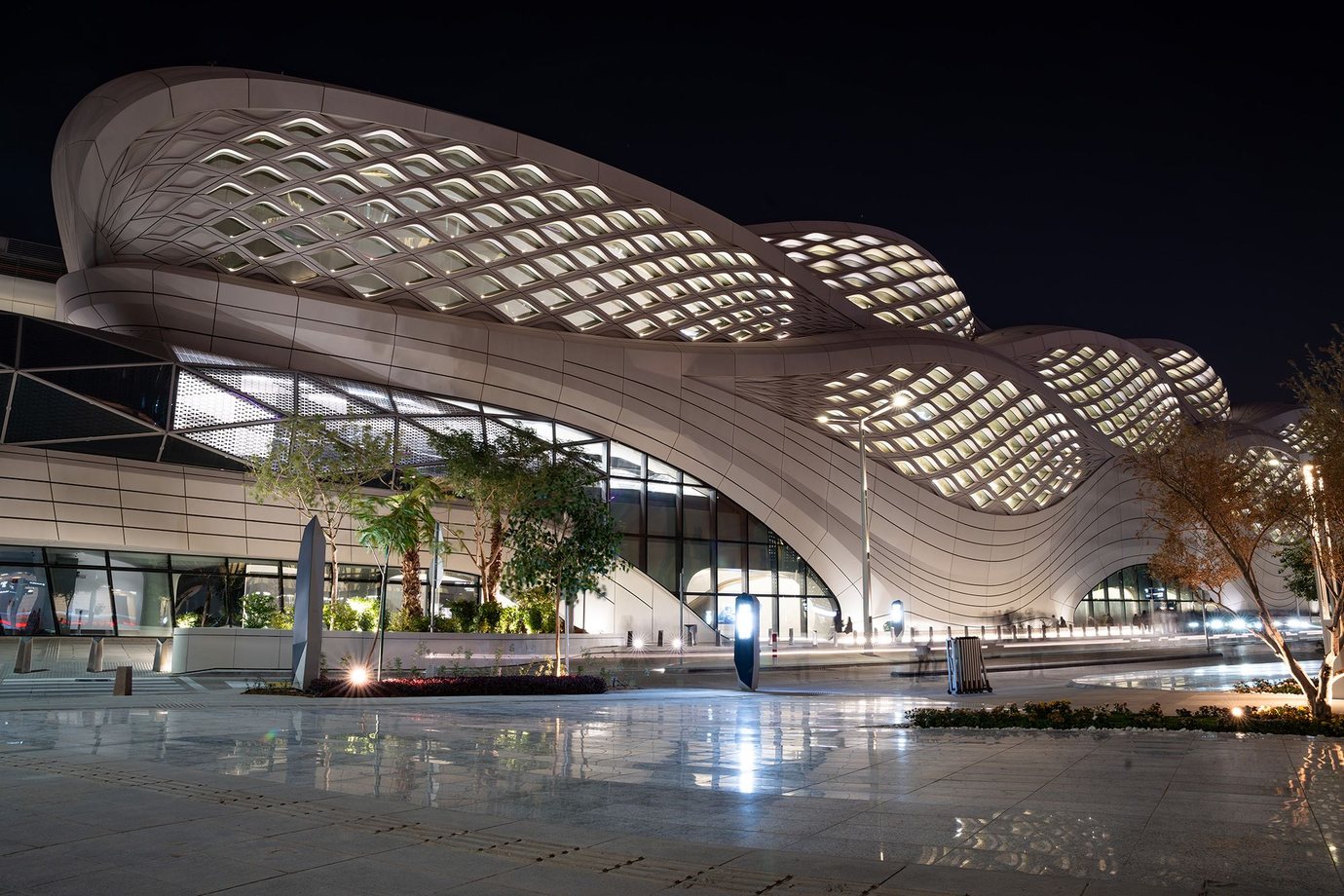
Equally impressive is the King Abdullah Financial District station, designed by Zaha Hadid Architects, with its waving facade inspired by desert forms. Meanwhile, the STC station, designed by German architects Gerber Architechten, is inspired by the formations of the Tuwaiq Mountains, while Western Station in Al Swedi is created by Saudi Omrania, follows A2cn.
Travel Experience
Trains are modern, equipped with power-regenering brakes systems, and stations use solar panels, giving the project a strong dimension to sustainability. Tickets are affordable - a two - hour journey cost only 4 Saudi riyals (about $1, U.S.), and a $140 - Rial monthly subscription (37 dollars).
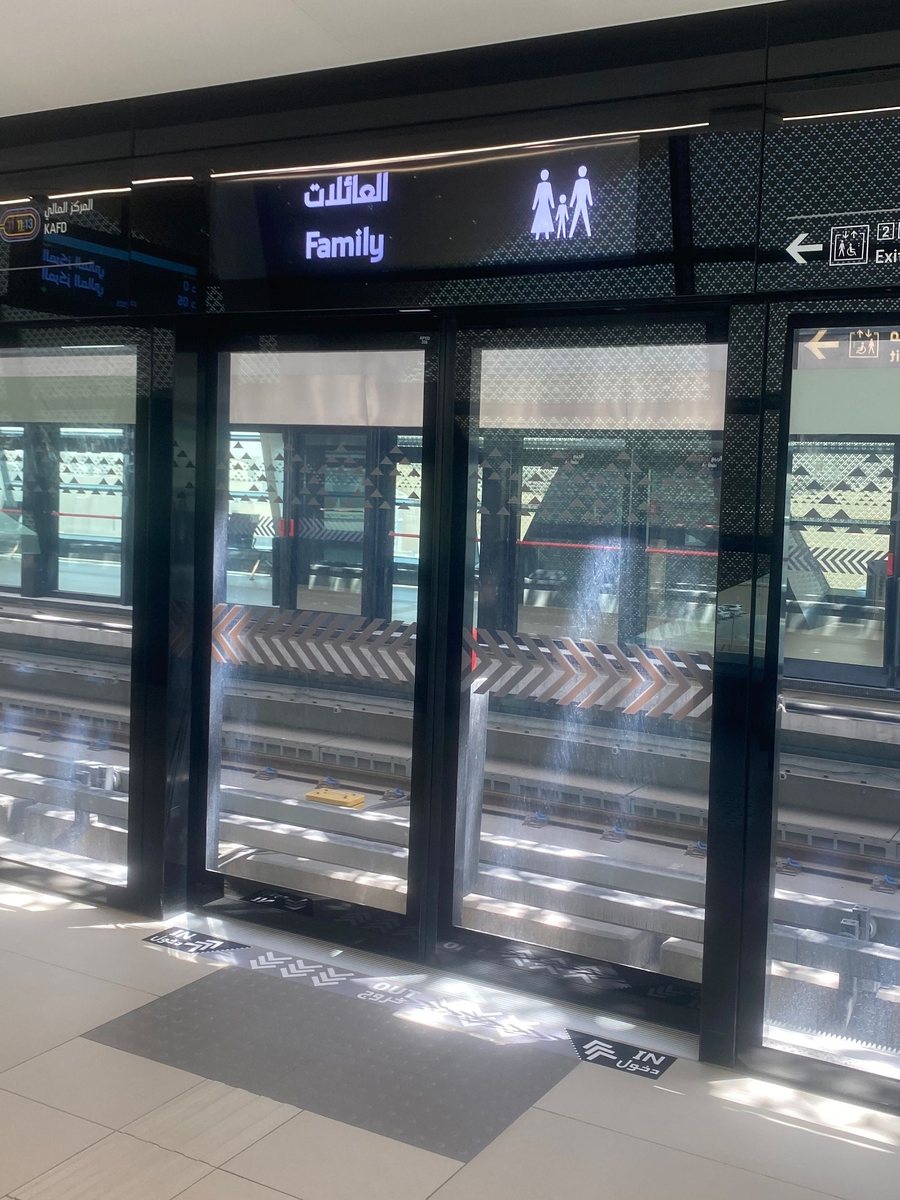
As in many Muslim cities, even here trains are divided - cars for single men, family and women, and a first - class section for V travellers IP. Inside, cleanliness is absolute, eating and drinking and seating carry motives inspired by Riyadh's traditional architecture. Trains circulate every four minutes in peak hours, and although space is abundant, travelers often have to stand because of high demand.
From Transport to Tourist Attraction
Some stations, such as Qasr Al Hokm, have already become self-resistable tourist destinations. Residents often recommend visitors not to miss the chance to see these <x0 architectural variable”, along with atractions known as Sky Bridge or World Boulevard.
A Historic Advancing
Just six months after opening, the subway had exceeded expectations, carrying over 100 million passengers. However, traffic in the city remains heavy -- a challenge that is more related to Riyadh urbanism than to metro function. Saudi authorities already have plans for a seventh line, linking Crudiya Entainment City, Diriyah Gate and King Abdullah International Gardens.
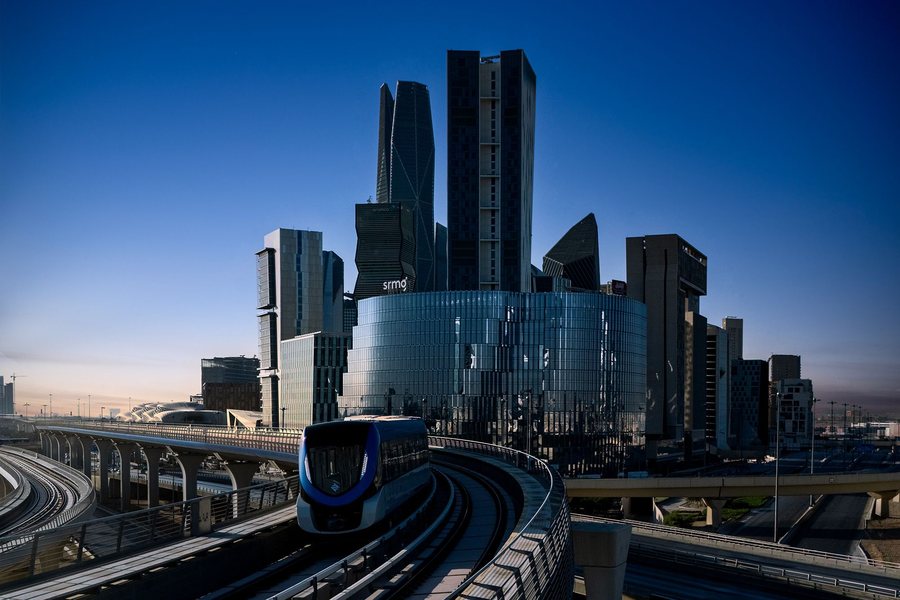
According to Ibrahim bin Mohammed Al Sultan, head of the Royal Commission for the town of Riyadh, the subway represents “a historic kiloometric stone in the capital's urban and social development, which will facilitate the daily lives of citizens, residents and visitors, offering an urban travel experience of world level”.
Riyadh's Metro is already named not only as a transport project but also as a cultural and tourist attraction that has begun to change the identity of the Saudi capital. /Periscope/