3 hours ago
Rubin: Demac's influence on KLA was ideological, not executive
Periskopi(9 months ago)
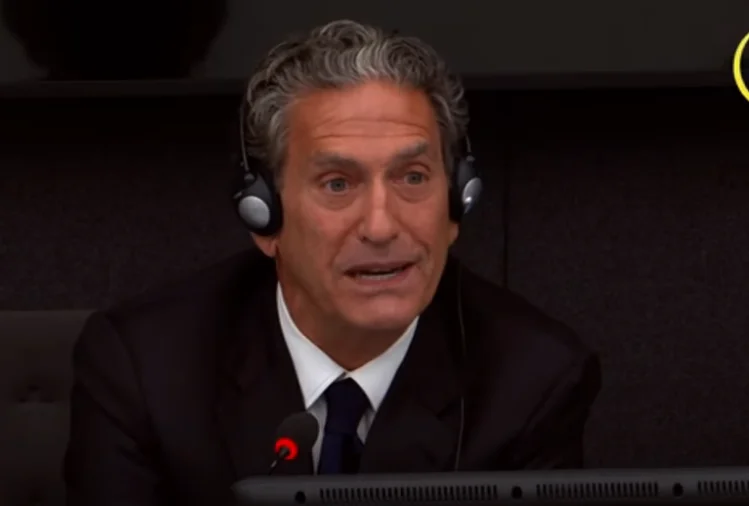
(9 months ago)James Rubin was questioned by Swiss Judge Guénawl Mettraux, concerning the role of Adem Demac within the Kosovo Liberation Army (UÇK) and his opposition to the Rambouillet Agreement. Rubin stressed that Demach's influence was ideological and not executive, and that United States commitments were what, in the end, defeated Hashim [...]
Rubin told the court that he had never met or communicated directly with Demac and had no knowledge that he had issued orders or decisions as representative of KLA. He described Demach as a historical and symbolic figure whose importance stemmed from his positions of independence, not from any executive authority. Rubin also dismissed the idea that the KLA functioned with a clear military hierarchy.
According to Rubin, Demach was widely known for his strong opposition to the Rambouillet Agreement, especially after conversations he had conducted with American Secretary of State Madeleine
Albright.
Demaci believed signing an interim agreement without clearly mentioning independence would be a strategic mistake for the KLA.
Rubin recalled that during the talks, Thaci tried to convince Demac during a meeting in Slovenia, but failed to change his position. However, Thaci continued and signed the Rambouillet Agreement on behalf of the KLA, despite Demac's continued refusal.
According to Ruby's testimony, the crucial point came from the guarantees Thaci received directly from the United States himself, from Secretary Albright and the general NATO, Wesley Clark.
The commitment was clear: if the KLA were to sign and Serbia would refuse, then Washington would lead a military campaign against Serbian forces. /Periscopi