5 hours ago
What is different now that Palestine was recognized by Britain, Australia, and Canada?
Periskopi(9 months ago)
(9 months ago)Great Britain, Australia and Canada officially recognised the Palestinian state on Sunday, joining the countries that have taken this political step. France with other European countries is expected in the coming days. The decision has prompted strong reactions: Israeli Prime Minister Benjamin Netanyahu named it a reward for Hamza's <x0-> monstrous terrorism “, while [...]
Great Britain, Australia and Canada officially recognised the Palestinian state on Sunday, joining the countries that have taken this political step. France with other European countries is expected in the coming days. The decision has prompted strong reactions: Israeli Prime Minister Benjamin Netanyahu deemed a reward for Hamas' subx0 monstrous terrorism”, while the US has strongly rejected it. The main question is what differs from this act and what is its real meaning.
What does knowing the Palestinian state mean?
Palestine is a state that exists and does not exist at the same time. It enjoys a wide degree of international recognition, has diplomatic representation abroad and participates in international sports competitions, including the Olympic Games. But because of the conflict with Israel, there are no internationally defined boundaries, there are no known capital and no armies.
The Palestinian authority, established after the agreements of the '90s, does not control the entire territory and population because of the Israeli military invasion of the West Coast. While Gaza, also considered occupied territory, is currently in a disastrous war, writes BBC.
Thus, recognition remains largely symbolic. It does not change the situation on the ground, but represents a powerful political and moral declaration. Former British Foreign Minister David Lami called this a moral obligation of Britain, remembering the 1917 Balfour Declaration, which supported the creation of a homeland for Jews, but also promised that the rights of non-Hebrew communities would not be violated. For many, this vow has remained an unfinished issue of international history.
Who knows Palestine as a country?
Today, some 75% of UN member states recognise Palestine, among which Albania, has done so in 1988. It has the status of the permanent observer <x0) state” in the United Nations, which gives it the right to participation but not vote. With recognition from Britain and France, Palestine will enjoy the support of four of the five permanent members of the Security Council. Only the United States will remain in full minority.
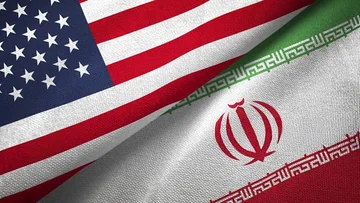
China and Russia have known Palestine since 1988. While the US has known the Palestinian Authority since the 1990s, but not the Palestinian state. Various US administrations have based on theory a two-state solution, but under Donald Trump's presidency, American politics was positioned stronger than ever in Israel's favour, writes A2 CNN.
Why now?
Traditionally, British governments have linked the recognition of Palestine to a broader peace process and with international co-operation, so that the decision could have the necessary <x0->moment of influence”. The idea was that unilateral recognition would be political gesture without real consequences.
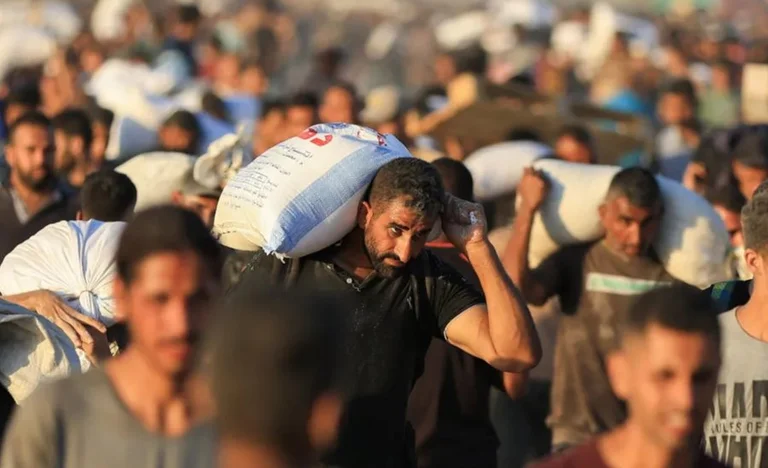
But recent months' events have changed approach. Images of hunger and destruction in Gaza, public anger at the Israeli military campaign and strong changes in Western public opinion have forced some governments to operate now.
US Stand
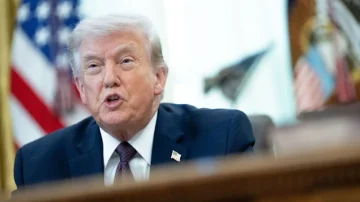
The Trump administration has clearly voiced its opposition. The president himself said that there are “default” with Netanyah on this issue, but the official American stance has turned into open opposition to the Palestinian state's idea.
The current American ambassador to Israel, Mike Huckabee, said last June that the US no longer supports the creation of a Palestinian state. While Secretary of State Marco Rubio said international recognition would make Hamas “braver”. At a joint conference with Netanyah on September 15th, Rubio warned that recognition would be viewed by Israel as a “reward for terrorism”, following the October 7th 2023 attacks.
He also added that the US has warned countries supporting this step that the consequences could be serious, including a possible annexation of the West Coast by Israel. According to him, it would make a truce more difficult in Gaza, past A2cn
A Symbolistic yet Weighty Political Issue
The recognition of Palestine by three key Western states will not change the reality of the conflict on the ground, but there is a strong symbolic and diplomatic burden. It makes the United States almost alone in its refusal and can mark a turning point in the way the world sees the two-state solution.
Meanwhile, Israel warns of serious consequences, while Palestinians see it as a delayed step towards the legitimacy of their state. At the moment, recognition remains more a political message than a real change, but it has opened a new chapter in international diplomacy over one of the world's longest and most complex conflicts. /Periscope/