2 hours ago
Kolshi (IKD): Constitution of Parliament Not Constitutional, but Political Problem
Periskopi(9 months ago)
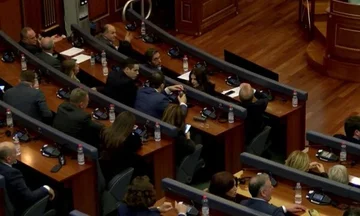
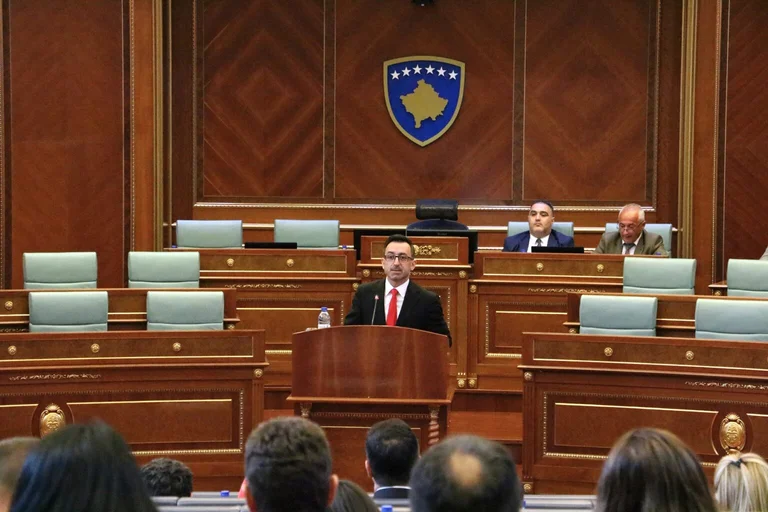
(9 months ago)The Kosovo Assembly will not meet at least this month, suspending the formation of new institutions after the February elections. Because of the request of the Serbian List that claims to belong to that position of deputy head of the Parliament for the Serb community, the Constitutional Court imposed temporary measures until [...]
Due to the request of the Serbian List, which claims to belong to that position of deputy head of the Parliament for the Serb community, the Constitutional Court imposed temporary measures until September 30th.
The country's president, Vjosa Osmani, will hand over her comments to the Constitutional on the issue during Tuesday.
The President's stance has always been that no one should have the right to block institutions, and therefore the state. As envisioned in the Constitution, the realisation of community rights is inseparable by the obligation to respect the laws of the Republic of Kosovo and not to violate the rights of others”, Bekim Kupina, the president's media adviser.
The working monitors of the Parliament do not believe the Constitution will bring the constitutional session back to zero.
The election of the chairman of the Parliament and Albanian deputy chairmans has been in agreement with practices, while the violation is only in the election of deputy leaders from minority communities where MPs could be required to vote in packages for the two deputy speakers.
The constitutional and error on election procedures is only in choice from Mrs. Emilja Rexhepi from now on because [Albanian] sub-conferents have voted packages and voted just as the practice regulates, and the mayor has been voted in a fair manner, but the problem is only with the deputy leaders of the <x1) communities, said Melos Kolshi, the Kosovo Institute for Justice, writes A2 CNN.
Recognitions say the practices and judgments of the Constitutional Court are very clear, adding that the problem is political and not legal and constitutional.
According to them, deviations from previous practices are unconstitutional.
“The current problem of the Republic's Parliament or non-conjudience is not a constitutional and legal problem, but it is a political problem, which comes from the lack of the will of political subjects, with the particular emphasis of the greatest political subject that has emerged victorious in the recent elections to counter the Parliament and to find a solution or a compromise with other parties initially that it then compromises with the” solution, Kolshi said.
The Convention Constituent hearing started on April 15th, but unable to complete. During this time, there have been two suspension measures and two set deadlines for the conclusion of the session, which were not respected by Parliament deputies. /Periscope.