3 hours ago
KFOR: situation in stable Kosovo, but at risk of transition
Periskopi(9 months ago)
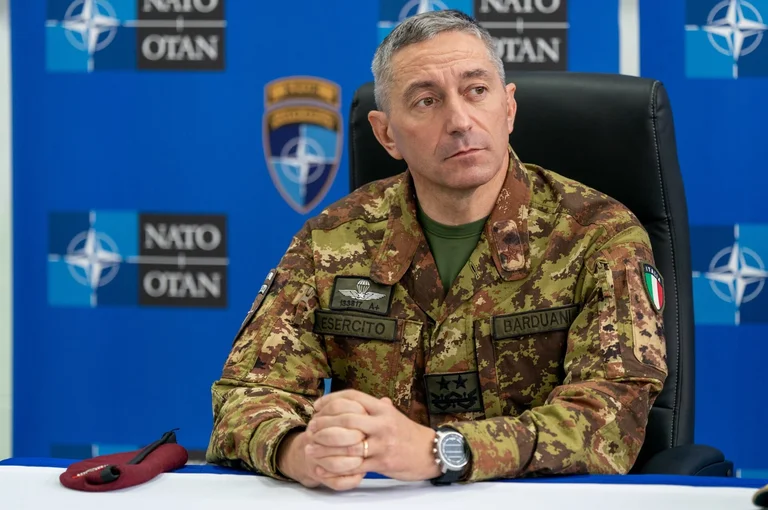
(9 months ago)The commander of the NATO Force in Kosovo (KFOR), Lieutenant General Enrico Bardoni, has declared that the situation in Kosovo is stable, but remains at risk of immediate extradition, due to a series of unresolved issues. Bardon made these comments during the brief report on the completion of the mission before the NATO Military Committee and [...]
Bardoni made these comments during the brief report on the conclusion of the mission before the NATO Military Committee and the North Atlantic Council, both in the KFOR format, at NATO's headquarters in Brussels.
Lieutenant General Bardoni shared his assessment of the security situation, as well as the latest information on KFOR's activities and the overall direction of the mission.
He stressed that the situation in Kosovo is stable, but remains subject to the dangers of the immediate transition, due to a series of unresolved issues, writes Kosovo, broadcast Periscope.
Bardonni has added that despite challenges on the ground, KFOR has helped to maintain stability and avoid situations that could have led to incidents or outbreaks of instability, and contributing to “preserving a security framework that can support ongoing diplomatic efforts”.
He added the strengthening of KFOR's mission, “including through the temporary deployment of the reserve forces”, maintaining “a flexible and ground-ridden post office, through regular patrols, commitments with local communities and training activities”, and deepening co-operation with key partners with the international community, Kosovo security organisations and the Serbian Armed Forces.
Stressing NATO and KFOR's continued support for the EU's relaxed dialogue on normalisation of relations between Belgrade and Pristina, Lieutenant General Bardoni noted: “KFOR has shown once again that it is willing and capable of playing its role and adapting to the need, as the path to lasting security in Kosovo is not military but political.
In Brussels, Bardon also met with the chairman of the European Union Military Committee (CEUMC), General Sean Clancy, with whom he considered the various areas of KFOR co-operation with EULEX and with Operation Althea EUFOR in Bosnia and Herzegovina. /Periscope/