3 hours ago
Arifi: Serbian list is dead politically in Serbia, with these actions in the country returning
Periskopi(9 months ago)
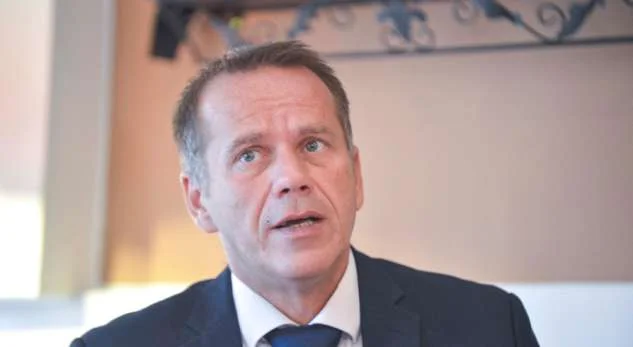
(9 months ago)Political analyst Avni Arifi has said that statements recently made to the Serbian List, as well as the failure of this subject's candidate for deputy head of the Parliament from the Serbian community, are only bringing this party back to the stage. On the “Rubikon” show by Klan Kosovo, he has confirmed that recent actions to the Serbian List [...]
Political analyst Avni Arifi has said that statements recently made to the Serbian List, as well as the failure of this subject's candidate for deputy head of the Parliament from the Serbian community, are only bringing this party back to the stage.
On the “Rubikon” show by Klan Kosovo, he has confirmed that recent actions to the Serbian List are only improving the image of this political subject in Serbia and the Serb community in Kosovo.
This work with the Serbian List, in principle, what is happening with the Serbian List is like a therapy for those returning to the stage. We should look at things from another prism, not that of the state of Kosovo and its citizens, but from that of Serbia. The Serbian list there has built a very bad image. First, they are seen as the people of Aleksandar Vucciki and are also seen at gatherings that people of the Serbian List are closer to Vuciqi than the nearest defence. They are viewed there as a semi-military or military arm of Vuciki. Second, they are hated in Serbia because through organised crime they have created tremendous wealth and build objects; they are arrogant people”, Arifi said.
Their “mark in Serbia is on the ground, and even in Serbian citizens, the Serbian List is considered guilty of withdrawing policemen, judges and staff from the Kosovo State Administration. In fact, they see this as the fault of the Serbian List, which Kosovo institutions have been enabled to establish sovereignty in the north without obstacles,” stressed Arifi.
In the end, he added: “So, at the time when their image even on Serbia's political scene is on the ground, and when they are politically dead in Serbia, we come out and create opportunities for them through nationalism to return to the political scene and receive a more qualitative support from different mechanisms. ” /Periscopi/