4 hours ago
Patient Rights Association: A lack of essential drugs but also transparency
Periskopi(10 months ago)
(10 months ago)The lack of essential drugs in public institutions constitutes a double violation of patients who are forced to buy medicines on the free market, estimates Besim Kodra from the Association of Patients' Rights in Kosovo. Kodra noted the lack of transparency for real drug supply and added that institutions do not offer to [...]
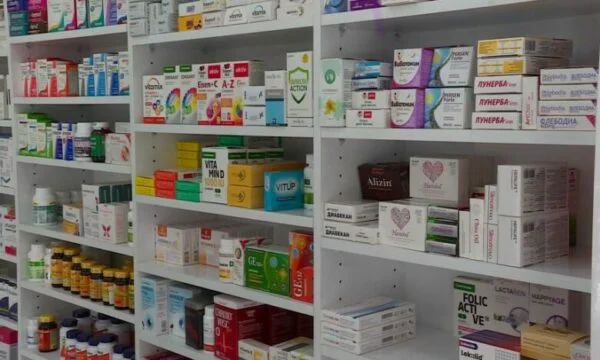
The lack of essential drugs in public institutions constitutes a double violation of patients who are forced to buy medicines on the free market, estimates Besim Kodra from the Association of Patients' Rights in Kosovo.
Kodra noted the lack of transparency for real drug supply and added that institutions do not provide precise data on the percentage of coverage.
“has lack of medicines, although there has been a slight improvement in budget growth. What's problematic is that there's never been any transparency in which drugs are supplied and which are missing. It's always a surprise how much the drug supply is. Add this that institutions never know how to respond when we talk about the supply percentage, and this causes complications. We're talking about an essential list of drugs that would have to be fulfilled 100 percent. Otherwise, they cannot be considered essential. The paradox of this then is that when we have an essential list, which is not fulfilled and on the other hand we have a commission that constantly adds drugs to the essential list, only that the irresponsability vacuum of institutions towards patients” increases, Kodra said.
He said a small part of the cost for drugs in Kosovo is covered by citizens themselves, which burdens their economic situation.
This is a double violation of patients. He has paid taxes, when the state has asked for them to turn them into services and they have not returned and he has to go on free market and buy drugs, which often know how to sink into impoverished or catastrophic spending. This is very disturbing because reports by the World Bank and the World Health Organization say that about 40 percent are pocket payments. The more pocket payment, the heavier the economic situation becomes”, he added.
Kodra also criticised the addition of drugs to the essential list without ensuring the coverage of existing ones.
It's a very broad list of drugs that patients shouldn't buy, those that endanger the health and life of patients. But the list is over. We can't explain it, because it's a huge number, because in each floor there are drugs that should be in it. QMF, QKUUK. The lack of transparency over how much it's being supplied provides turbulent mirrors, but according to research, about 3 percent is better access to drugs compared to the previous years”, Kodra told Online Economy./Periscopi/