6 hours ago
Krasniqi: mandates must go back to the people before the country goes to new elections, parties agree on several issues
Periskopi(10 months ago)
(10 months ago)Even six months after holding parliamentary elections, the country is without new institutions, released from the February 8th elections. The process of restoring the Kosovo Assembly has remained in the election of the Speaker of the Parliament. While the Vetevendosje Movement has proposed Albulen Hadziu for the Speaker of the Parliament for a few weeks and then [...]
The process of restoring the Kosovo Assembly has remained in the election of the Speaker of the Parliament.
While the Vetevendosje Movement for several weeks has proposed Albulen Haxhiun for Speakers of the Parliament, and then Donika Gervala and finally Iron Murati, from PDK, LDK and AAK, say they are unacceptable names and are not unifying.
The PDK recently stressed that there are more than 35 names from LVV that would vote for Speaker of the Parliament, but not those who have been part of Kurti's cabinet, as well as Mimoza Kusarin.
Even from the AAK, they have stated that some names of LVV would vote for the head of the Parliament, while from LDK have claimed they would not vote any name from LVV to head of the Parliament without a political agreement.
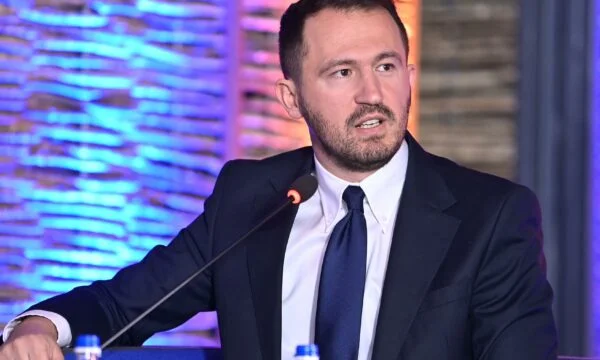
Linked to the political stalemate that has lasted several months has written Albert Krasniqi from Democracy Plus.
Krasniqi in a Facebook post writes that after no one has managed to create a parliamentary majority even six months after the elections, the mandates must return to the people.
But, according to him, before the country goes to new elections, political parties must agree on some fundamental issues that will avoid future blockades and guarantee institutional functionality.
These are some of the issues Krasniqi has to agree to forebear political parties:
The Assembly Constitution ) to elect a consensus candidate for the Speaker of the Parliament, who does not come from the main political parties;
Constitutional amendments to the election of Speaker of the Parliament are to enable a race with more candidates and two rounds system, following models of Albania or Northern Macedonia, to avoid similar blockades in the future;
The election of president by the people, although often seen as an unnecessary democratic exercise, direct voting increases institutional stability and facilitates the process of forming post-election coalitions;
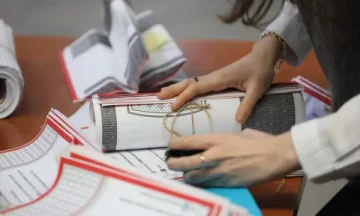
Changes in the Law for General Elections ) to reduce the number of preferential votes from 10 to 3, return the vote count to the polls and address problems created by recent changes;
Currently, reforming local elections will consider the possibility that municipal elections will be held in only one round (the first-ranked candidate) and the number of signatures needed for their dismissal will be reduced.