6 hours ago
Why was Kosovo left out of the Dayton Accord?
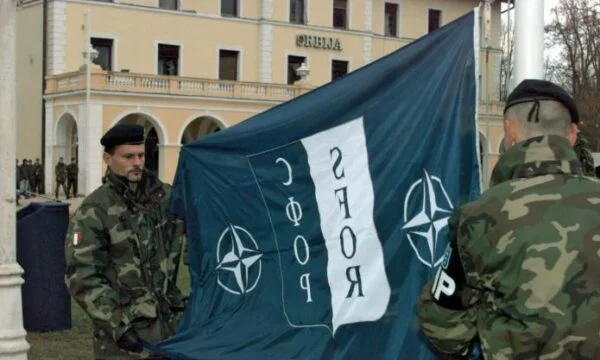
Periskopi(10 months ago)
(10 months ago)The 30th anniversary of the Peace Agreement for Bosnia and Herzegovina, known as the Dayton Agreement, was discussed last night, and why Kosovo was left out. Journalist Melazim Koci said it has been great luck that Kosovo has not been present, nor has it been included in the Dayton conference. At that time, according to journalist [...]
Journalist Melazim Koci said it has been great luck that Kosovo has not been present, nor has it been included in the Dayton conference.
At the time, according to the journalist, a major disappointment has dominated why Kosovo was left out. But, that disappointment, Koci says, there was no place, because according to him, the maximum the country could benefit would be an entity within Serbia.
I remember there was disappointment when the Dayton deal was reached and Kosovo was left out. But that disappointment has had no place because the actual situation in Kosovo has been different, has been generally occupied. The maximum that Kosovo could earn at the time if it entered Dayton would be an entity like Bosnia within Serbia. So I think it's been a favourable circumstance that we haven't been present at Dayton”, Koci said, at “Rubikon” in Klan Kosova, broadcast Periscope
On the other hand, historian Lulzim Nica, has stressed that former Serbian President Slobodan Milosevic's stubbornness for Kosovo not to be part of Dayton has turned to boomerang.
“In this dispute, even history itself later proves that perhaps Milosevic's absence and stubbornness, so that Kosovo is not part of Dayton, has taken revenge on Milosevic himself. The later international circumstances and the establishment of the state of Kosovo, in the circumstances of a weak Russia, were an atomic bomb for Slavic interests, especially the Russian-Slace in the Balkans. It has been a historic hour for Albanians”, Nica said.
Opinionist Ngjemman paçarizi added more about ignoring Kosovo at the Dayton conference. According to him, there had been other interpretations within the country that this was due to the then-political class's refusal to participate in Serbia's elections.
Kosovo's non-involvement in Dayton was met with despair at the time, mainly with great despair from most people, and has been interpreted as a neglect of Kosovo by international allies who had been invested greatly. It was even interpreted that such neglect was the result of the rejection of the then Kosovo political class, led by Ibrahim Rugova to participate in Serbia's elections because he was required to participate in democratising Serbia”, Pacarizi said.
Paris also stressed that Kosovo had benefited from this situation after the United States had decided to take care of it eventually to leave Serbia
While historian Azdren Shala, in terms of Kosovo's position after being left out of Dayton's agreement, said it was fate that Albanians have been powerless to fight.
The best of Albanians as the weakest, most powerless people in the Balkans to fight the war, the less peaceful it is that the internationals when they come here with the agreement term negotiations, but they don't negotiate with us. They report”, Shala said. /Periscope