3 hours ago
Kosovo HIV cases increase
Periskopi(10 months ago)
(10 months ago)In the first quarter of this year, 19 new HIV cases have been recorded in Kosovo. Compared to past years, this number represents an increase, while the most frequent cases are among young people. Health institutions and organizations that deal with this area say that there are currently sufficient therapies, including [...]
The number of HIV cases is increasing in Kosovo.
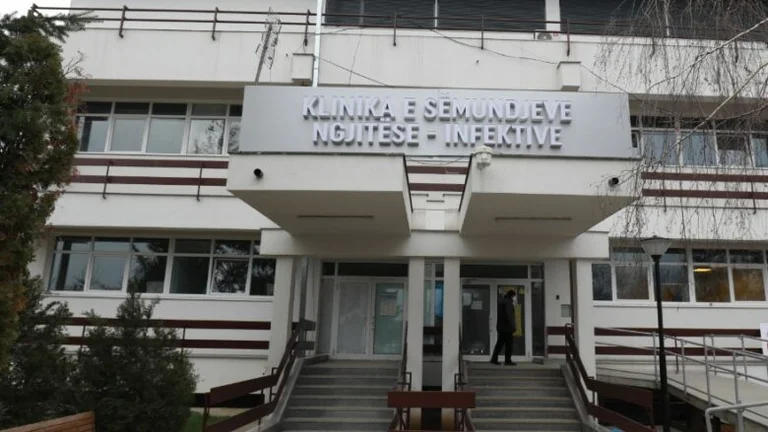
Figures in the Infectious Clinic are talking about a situation like this institution, worrying.
Department chief Murat Mehmeti says rising cases are disturbing and could exceed last year's figures.
“over the seven months of this year to date in the infectious clinic where we work and we deal with patients dealing with HIV infections, respectively, we have a total of 19 cases of actually having an increase in the number of cases compared to the previous year compared to the previous years if we talk about the year." We have 29 cases after 29 all we're talking about the whole case while we have only so far have 19 new cases, and this is worrying that by the end of the year we'll have a higher number of <-one-seconds, says Chief of the Infectals Department.
Although there is currently only one patient, over 100 people across the country are under surveillance and treatment.
There is only one patient at our clinic at the moment or in treatment, while if we talk about the total number of patients in Kosovo that are under our supervision we say that is something like 105”, Mehmeti says.
By June of last year, citizens in Kosovo have access even to a prevention therapy for HIV called Fr EPH Profile Before exposure) This, thanks to a multiyear work by organizations working with the most sensitive communities.
So says Arber Nuhiu, executive director of the Centre for Social Group Development.
“PrEPi has started giving citizens from June of last year after a seven-eight-year job of commitment to bring this kind of preventive therapy to Kosovo”, Nuhiu points out.
According to him, supply with this therapy is guaranteed by the end of 2027 by international donors, while after that, the Ministry of Health will assume the responsibility.
The amount of therapy is guaranteed by the end of 2027, thanks to an international donation. Later, the Health Ministry is expected to assume responsibility”, Nuhiu says.
Meanwhile, according to doctor Murat Mehmeti, the age group that is being most affected by infection is that of young people mainly between the ages of 20 and 30. /Tave1/Periscopi/