4 hours ago
IKBPK: There is no case with the “Chicugunya” in Kosovo or the region
Periskopi(10 months ago)
(10 months ago)Kosovo National Institute of Public Health ( The IKKPK has announced that, in our country, but even in the region, no case of contact from the virus “Chungungiya” has been reported. Through a report sent to the media, IKKPK said it is carefully conveying developments with regard to the epidemiological situation with “Chicungiya” on a global level, following reports of [...]
Through a report sent to the media, IKKPK said it is carefully conveying developments regarding the epidemiological situation with “Chicuguniya” on a global level, following reports of increasing the number of cases in some countries in the world.
There has been no case reported in the country's “in Kosovo and in countries in the region of this disease”, the IKKPK report said.
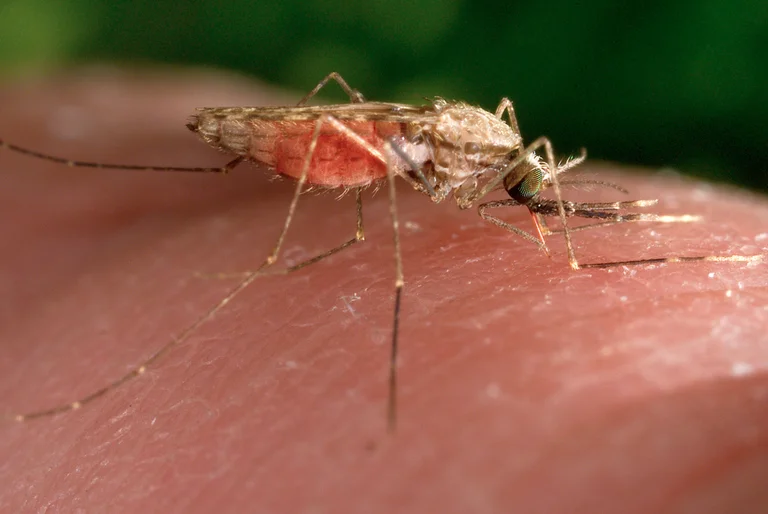
According to the institute, “Chicuungingya” is a viral disease transmitted through the bite of infected mosquitoes, especially of the types Aedes aegypt and Aedes albopictus.
It was said that this disease does not spread from person to person, but only through a mosquito that carries the virus.
However, with the aim of preventing and controlling infection, I The KSF recommends that citizens potentially travel to countries where cases have been recorded, to implement preventive measures as follows:
- Use mosquito resolutions
- Cover exposed body surfaces in long clothes
- Reduce mosquito exposure
- If you develop symptoms like fever, fever, joint pain, skin rashing within two weeks of your return home, inform your doctor and show him where you travel.
The IKPK also reports that under laboratory capacity strengthening, it provided diagnostic tests to confirm suspicious cases.
What's “Chikongiya”?
<x0) This disease does not spread from person to person, but only through the mosquito carrying the virus.
Name and Origin
The word “Chicuungingya” comes from a local language in Tanzania and means “ai that bends”, because of the way patients who suffer from severe pain in their joints. The virus was first identified in 1952 and has since spread to over 110 countries in the world.
Symptoms
Symptoms usually appear 3H7 days after being bitten by an infected mosquito and include:
- High fevers
- Strong joint pain (static symptoms)
- Muscle Pains
- Headaches
- Harm and Pump
- Skinburn
- Key ring
In most cases, improvement occurs within a week, but joint pain can continue for months or years, especially in older ones.
Who is in greater danger?
- Newborn (if the mother is infected)
- People over 65 years of age
- People with chronic illnesses (such as diabetes, heart disease, hypertension)
Although the symptoms may be severe, the deaths of the chicuongiya are rare.
Diagnosis and Treatment
- There's no specific antivirus medicine for chicuongiya.
- Diagnosis is done through blood tests that reveal the presence of the virus or antibodies.
- Treatment is symptoms:
- Precetamol use for temperature and pain
- Enough Rest
- Good shade.
- Avoiding aspirin or ibuprofen if suspected of dengue
Is there a vaccine?
Currently, there is no licensed vaccine for broad use against chicungiya, even though some are on trial stage. Therefore, prevention is the most effective measure.
How do we protect ourselves from Chicuongya?
- Eliminate standing water around your house (vazo, cassan, tires, plastic vessels)
- Cover water and clean regularly
- Place nets in the window and use mosquito repelent
- Dress in long sleeves, especially in the morning and evening
Global Situation
<x) Climate change and international travel growth have increased the risk of spreading it to new areas.
Source Layer: World Health Organization (WHO)