6 hours ago
Austria's Chancellor: Kosovo- Serbia has no alternative
Periskopi(10 months ago)
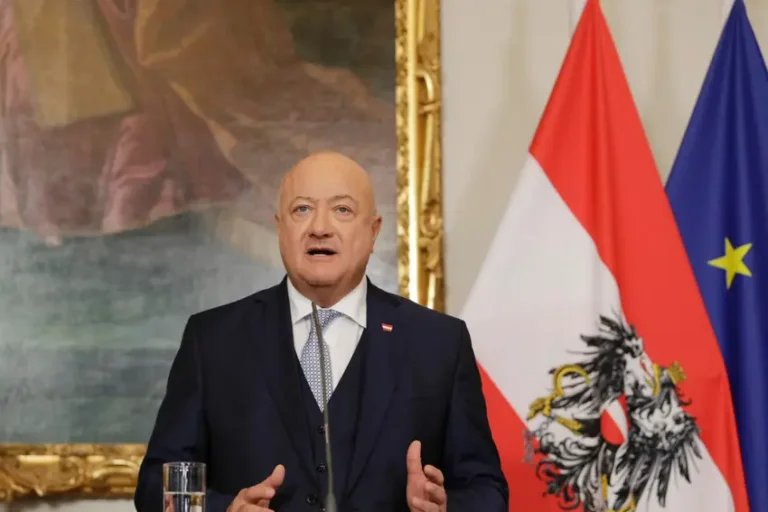
(10 months ago)Austria's Chancellor, Christian Stocker, said that in the European Union's view, dialogue between Kosovo and Serbia has no alternative, if it is willing to find solutions. “I really believe there is a willingness to find a solution, despite all difficulties, but I have to say clearly that I cannot offer it”, the Chancellor said. [...]
“I really believe that there is a willingness to find a solution, despite all difficulties, but I must clearly say that I cannot offer it”, the Austrian Chancellor said during the visit to Serbia on 13 August.
He voiced conviction that the solution should be such that “people in this region can co-exist in peace, however difficult this must seem at this moment”.
According to him, this issue will have to be resolved during Serbia's journey towards the European Union. The Austrian Chancellor added that he welcomes any measures he will return Kosovo and Serbia to the negotiating table.
Although the latest round of Kosovo-Serbia dialogue, mediated by the EU, took place on 10 June, the two countries have not held a high-level meeting since September 2023. That meeting was held just days before a group of armed Serbs attacked the Kosovo Police in Banjska, near Zvecan, killing a police officer.
Three Serb attackers were killed during the shootout. Kosovo blames Serbia for the attack, but Belgrade denies it stands behind it.
Meanwhile, Serbia's president, Aleksandar Vuciq, praised Austria as a very important “country for his state, adding that Vienna has always helped Belgrade on the European road.
“Today we discussed all important issues, from reforms in Serbia in the area of rule of law to the need for dialogue with Pristina as the only way to overcome tensions and the existing crisis. At the same time, we stressed the need to preserve peace and stability throughout the region”, Vuciq said.
Chancellor Stocker, during the media conference with Vuciqi, also voiced support for the European journey of all Western Balkan states, while demanding that the region be protected from destabilising efforts.
For the most part, it is important to mention that all countries in the Western Balkans are inseparable to the European family, and it is important that the region be protected by efforts to destabilise and that the fundamental pillars of the EU are human rights, freedom of expression and democratic co-existence be conveyed even outside of it”, Stocker said.
He said the road to the EU is not a one-way path and that rule of law, as one of the EU's central values, is one of the parameters for progress in the European Union membership process.
The Austrian Chancellor said the sign of commitment to EU values should be visible even in foreign policy, where Serbia has a threshold rate of about 60 per cent, as Belgrade avoids harmonising with measures against Russia and China.
Stocker said it is important for the EU enlargement process to become more vulnerable to citizens as well as for all candidates to apply the same rules and criteria, expressing in favour of all candidate countries for membership to be included in the EU's roaming area.
As for the call for greater harmonisation with the EU in the foreign policy field, Vuciq said Serbia “has given everything from itself” to explain Belgrade's position.
Serbia has so far refused continued calls to impose sanctions on Russia because of the war in Ukraine. Belgrade, which has good reports with Moscow, has supported several UN resolutions through which the Russian invasion of Ukraine has been condemned, but has not imposed sanctions. /Rel