8 hours ago
Japan's prime minister, will resign after major election defeat and trade agreement with Trump
Periskopi(a year ago)
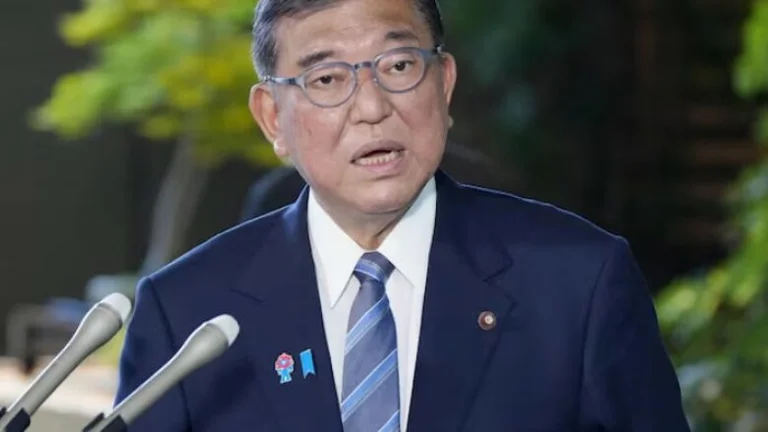
(a year ago)Japanese Prime Minister Shigeru Ishiba plans to step down after a deep defeat in the Supreme Chamber elections, said a source for Reuters, while the criticised prime minister announced a long-awaited trade deal with US President Donald Trump. The 68-year-old leader said media reports he had already decided to resign, [...]
The 68-year-old leader said media reports that he had already decided to resign were “legally groundless”, Telegraphy reports, Perixopi broadcast.
Ishiba chose not to resign immediately after the elections to prevent political instability as the August 1st deadline for reaching the trade deal was approaching, the source said near the prime minister, seeking not to be identified because they are not authorised to speak to the media.
Ishiba will announce his resignation next month, Japanese media reported earlier.
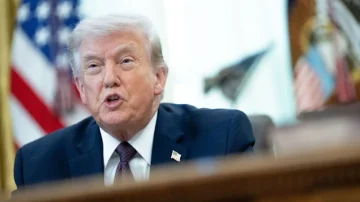
Ishiba and Trump discovered on Tuesday a trade deal lowering tariffs for Japanese imports and saving Tokyo from punishing new taxes on other goods.
His departure less than a year after taking office would trigger a battle for inheritance within the ruling Liberal Democratic party, while it faces challenges from new political parties, particularly right, which are stealing its support.
Among them is the far-right group “The First Japanese” Sanseito, who grew up in Sunday's vote, increasing his representation in the upper room with 248 seats in 14 out of one.
The party has attracted voters with promises to curb immigration, cut taxes and offer financial relief to families tightened by rising prices.
Ishiba defeated hardline conservative Sanae Takaichi in a run-off for party leadership last year. Anyone who follows it as LDP leader will have to govern without majority in either of the parliament's chambers following the government's defeat in the lower house elections in October.
The new leader's immediate priority will be to secure support from opposition party lawmakers to win confirmation as prime minister.
The future leader is unlikely to call general elections immediately, refraining from strengthening the withdrawal of the party before demanding a mandate from voters, the source said. /Periksopi/