6 hours ago
Iran and three European powers ready to resume nuclear talks, foreign minister says
Periskopi(a year ago)
(a year ago)Iran's Foreign Minister has said France, Germany and the United Kingdom are seeking to set a date for a meeting for nuclear talks, in what may be a step towards ending the prolonged deadlock on Iran's nuclear programme and Western concerns. Iran has agreed to meet with [...]
Iran has agreed to meet with three major European countries -- Germany, France and the United Kingdom -- to hold renewed talks on the country's nuclear programme.
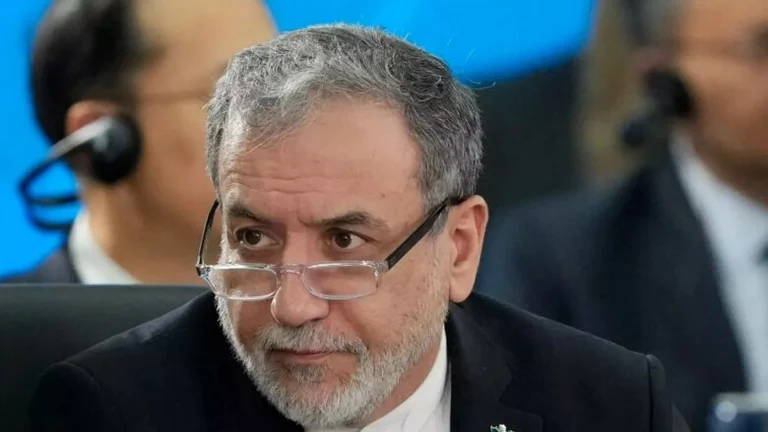
Iranian Foreign Minister Abbas Aracchi said: “We are working to set a date for the meeting with Europeans”, Telegraphy broadcast.
He continued to stress that Tehran's approach to nuclear talks is “stronger than before”.
Local media reported that he had spoken with European Union Foreign Policy chief Kaya Kallas, and his counterparts in Britain, France and Germany on Friday.
According to the same media, an agreement on the format of negotiations was reached, expected to be carried out at the level of foreign deputy ministers.
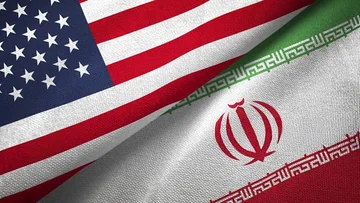
If confirmed, discussions could open the door for a broader commitment between Tehran and the West, following the recent 12-day war with Israel that saw massive attacks by both Israel and the US on major Iranian nuclear sites.
Following the attacks, Iran suspended co-operation with the UN nuclear supervisor, which led to the evacuation of inspectors.
The last opportunity for the talks comes amid reports that European powers threatened to restore the eased sanctions in a 2015 agreement to limit Iran's nuclear production by using a so-called <x0-> time conversion mechanism”, unless Iran resumes talks.
Earlier this month, Arghchi said his country would accept a resumption of nuclear talks with the US if there were guarantees that there would be no more attacks against it, state media reported.
Arghchi said in a speech to Tehran-based foreign diplomats that Iran has always been ready and will be ready in the future for talks about his nuclear programme, but “should be provided guarantees that in the event of talks resume, this tendency will not lead to war”.
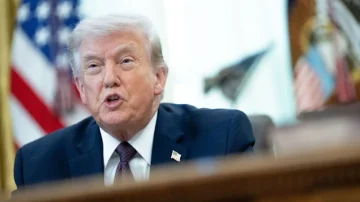
He reaffirmed Iran's stance that enriching uranium should continue on Iranian territory, something US President Donald Trump has confirmed as impossible.
Israel claims its attacks on Iran last month occurred because a nuclear bomb was within Tehran's reach.
US intelligence agencies and the International Atomic Energy Agency had estimated that Iran had an organised nuclear weapons programme for the last time in 2003, although Tehran had enriched uranium to 60% a short technical step away from weapons levels of 90%.
Despite the controversy accompanying US attacks on Tehran's nuclear facilities and doubts about their impact, Iranian President Masoud Peskian said on July 7th that US attacks had caused such serious damage to his country's nuclear facilities that Iranian authorities were still unable to visit them to assess the damage. /Periscope/