8 hours ago
Trump bans US travel to citizens of 12 states
Periskopi(a year ago)
(a year ago)US President Donald Trump signed a decision Wednesday evening to stop trips from several US countries, citing security risks. The countries include Afghanistan, Myanmar, Chad, the Republic of Congo, Equatorial Guinea, Eritrea, Haiti, Iran, Libya, Somalia, Sudan and Yemen. Except the ban, which goes into effect at midnight on Monday, [...]
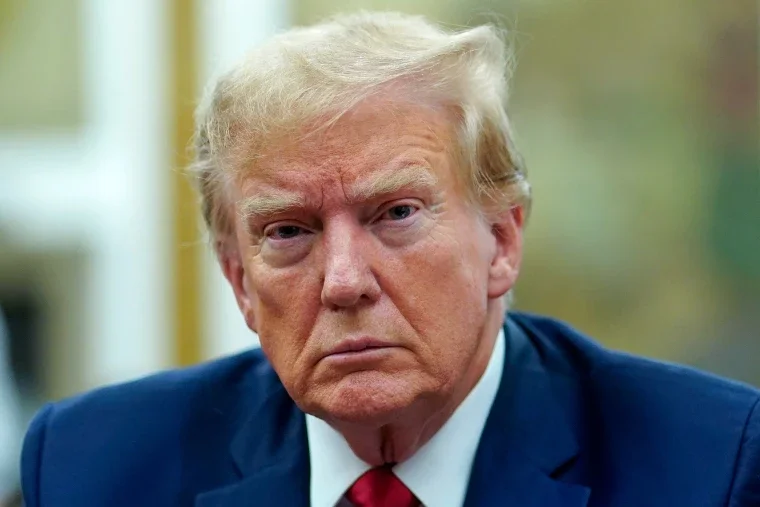
US President Donald Trump signed a decision Wednesday evening to stop trips from several US countries, citing security risks.
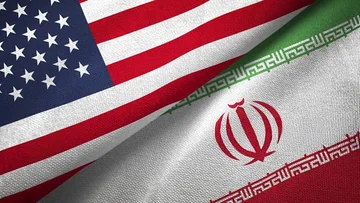
The countries include Afghanistan, Myanmar, Chad, the Republic of Congo, Equatorial Guinea, Eritrea, Haiti, Iran, Libya, Somalia, Sudan and Yemen.
Except the ban, which goes into effect at midnight on Monday, will have increased restrictions on visitors from Burundi, Cuba, Laosi, Sierra Leone, Togo, Turkmenistan and Venezuela.
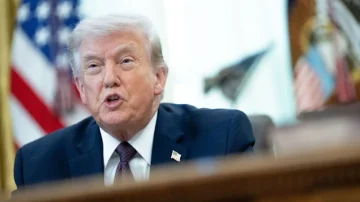
“I must act to protect the national security and national interest of the United States and its people”, Trump said in his statement, writes BBC, broadcast Periscope.
The list results from an executive order that Trump issued on the day of inauguration January 20th asking that State, National Security departments and the National Intelligence Director draft a report on “hostile attitudes towards the US and whether entry from certain countries represented a danger to national security.
During his first term, Trump issued an executive order in January 2017, halting US travel by citizens of seven majority Muslim countries -- Iraq, Syria, Iran, Sudan, Libya, Somalia and Yemen.
And he was one of the most chaotic and confusing moments of his new presidency”.
Travelers from these countries were either forbidden to board planes to the U.S. or forbidden at US airports after landing.
The order, often referred to as the Muslim <x0).
The ban affected different categories of travelers and migrants from Iran, Somalia, Yemen, Syria and Libya and North Korea and several Venezuelan government officials and their families.
Trump and others have defended the initial ban for national security reasons, arguing he aimed at protecting the country and was not based on anti-Muslim prejudice. /Periscope/