6 hours ago
Trump arrives at NATO summit as allies pledge increased defence spending
Periskopi(a year ago)
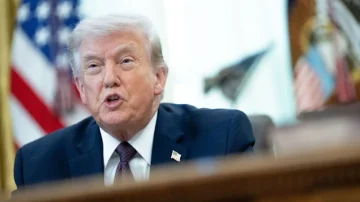
(a year ago)US President Donald Trump has arrived in the Netherlands on Tuesday to participate in the NATO summit, while European allies pledge considerable increase in defence spending. Trump has been critical of NATO members over the years, accusing European allies of profiting free from American defence spending, and [...]
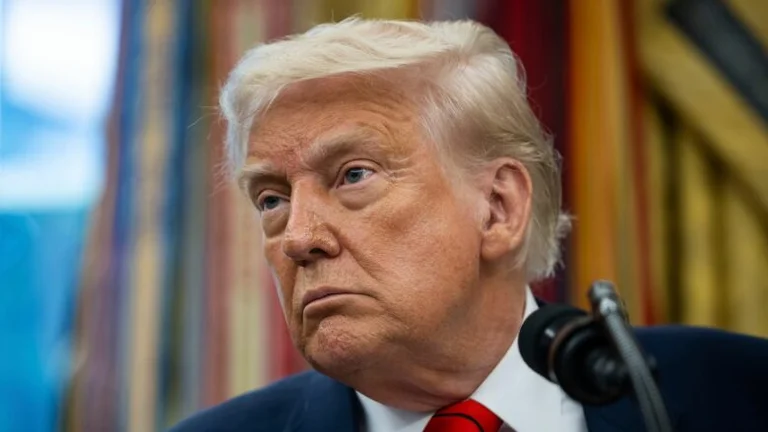
US President Donald Trump has arrived in the Netherlands on Tuesday to participate in the NATO summit, while European allies pledge considerable increase in defence spending.
Trump has been critical of NATO members over the years, accusing European allies of profiting free from American spending in defence, and even raising dilemmas for an American withdrawal from the alliance.
It has urged allies to spend 5 percent gross domestic production (GDP) on defence, a significant increase in the 2 percent target set up in 2014.
A draft summit communiqué mentions commitment to the Fifth Article of the Defence Pact and that member states will increase protection costs by 5 percent to 2035.
This amount will be divided into two categories . 3.5 percent of the cost of traditional defense equipment, such as fighter planes, tanks and rockets, and 1.5 percent for “sustainability”, which may include cyber security.
“Europe will pay multiple, properly, and that will be thanks to you”, the Secretary General said. NATO, Mark Rutte in a letter sent to Trump, which the American president has published on social networks shortly before leaving Washington for The Hague.
“Trying to fulfill our” share, Kallas says
European Union top diplomat Kaya Kallas has said in an interview for Radio Free Europe that the summit in The Hague has “a topic and it has to do with larger expenditures, 5 per cent”.
She has said that if states spend more on defence, they could increase support for Ukraine, which has been facing Russian invasion for three years.
Kallas has said that aid to Ukraine benefits the protection of each member state, citing that the European Union has increased its support for Ukraine this year compared to a year ago.
We're trying to do more. Of course we can't fill the space that the United States left, but we're trying to fulfill our”.
The NATO states are also expected to include military assistance to Ukraine one of the topics of discussion at the summit within their commitments for increased spending.
Increasing defence spending to 5 per cent of GDP means that many European states will be forced to reduce budgets allocated for social benefits and public services to prevent public debt growth.
Spain, which spends at least 1.28 percent of GDP on defence, continues to resist considerable growth and has demanded exemption.
Earlier in the day, British Prime Minister Keir Starmer has pledged to meet the new target for defence spending, saying the world has become the most hostile “”.
Meanwhile, Germany has adopted the draft budget for 2026 on Tuesday, which includes strong commitment to defence expenses.
Germany, the largest European member of NATO, has spent less than 1.5 percent in defence in the first two decades of the 21st century.
“We are making a historic turn-in”, German Defence Minister Boris Pistorius has said, referring to the enormous increase in defence spending.
“The NATO expectations and our NATO partners are great towards Germany, and rightly”, he has said, among other things. / REL/Periscopi/