8 hours ago
How the truce between Israel and Iran calmed financial markets
Periskopi(a year ago)
(a year ago)Oil prices stabilised 5 percent on Tuesday, after Israel accepted the ceasefire with Iran after two weeks of conflict. The value of crude oil “brent”, which is the foundation stone for international prices, fell to 68 dollars per barrel, below the level that was when the Jewish state launched attacks on June 13th. [...]
The value of crude oil “brent”, which is the foundation stone for international prices, fell to 68 dollars per barrel, below the level that was when the Jewish state launched attacks on June 13th.
Prices had risen in recent days due to concerns that Iran could carry global trade by blocking the Strait of Hormuz, a very important axis for oil and gas.
Financial markets in Britain, Europe and Asia sustained growth after President Donald Trump declared that the <x0-mercial truce has entered into force” and the Jewish state accepted it.
Oil prices had risen to $81 per barrel since rocket attacks started, boosting fears that the cost of living could become more expensive, as the costs for hydrocarbon would increase.
Experts have stated that if the ceasefire is implemented, then investors can expect the situation to return to normal.
But they have added that extending the ceasefire and conditions of respect by the two sides involved in the conflict will play a crucial role in determining prices.
The drop in prices eventually diminished after Israel declared that the Islamic Republic had violated the ceasefire by firing missiles.
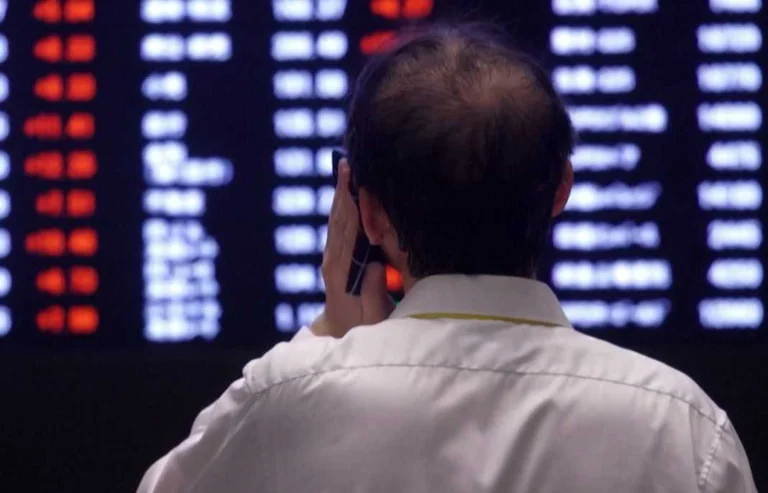
In Asia, the Tokyo Stock Exchange closed the day at 1.1 percent, while Hong Kong's stock exchange increased by 2.1 percent.